A child should not have to be naturally athletic, financially privileged, or fearless to walk into a martial arts class. Neither should an adult who wants to feel safer, move better, or find a healthier outlet for stress. Martial arts accessibility begins with that simple belief: training should be a place where people are welcomed at their starting point and given a real path to grow.
For families, accessibility is not only about getting through the door. It is about finding instruction that feels safe, patient, affordable, and meaningful enough to become part of everyday life. When those pieces come together, martial arts can support confidence far beyond the mat.
What Martial Arts Accessibility Really Means
Accessibility is often reduced to price, and cost does matter. A family may be balancing rent, groceries, child care, and transportation before they ever consider an after-school program. If training is priced beyond reach, its benefits remain available only to a small group of people.
But affordability is only one part of the picture. Martial arts accessibility also means creating a space for beginners, different ages, different body types, varying fitness levels, and people who may feel nervous about group activities. It means instructors explain rather than intimidate. It means progress is measured against a person’s own starting point, not against the most experienced student in the room.
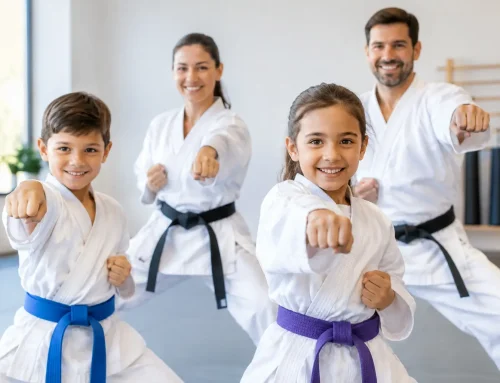
A welcoming program also recognizes that people arrive with different goals. One child may need help speaking up when bullied. Another may need a constructive way to use extra energy after school. A teen may be looking for discipline and positive friendships. An adult may want practical self-defense skills, improved mobility, or a supportive community. The best training environment makes room for all of those goals without asking anyone to prove they belong first.
Why Access Changes More Than Fitness
Martial arts training can strengthen the body, but its deeper value often appears in ordinary moments. A student learns to stand with better posture, make eye contact, listen carefully, and try again after making a mistake. Those habits can carry into school, work, home life, and friendships.
For young people, consistent instruction offers structure without needing to feel harsh. They learn that respect includes respecting themselves, their training partners, and the boundaries that keep everyone safe. They practice focus in a setting where effort is noticed. Over time, the student who once stayed at the edge of the room may volunteer to demonstrate a technique or help welcome a new classmate.
Adults benefit from that same environment. Many people put personal growth on hold because they assume martial arts is only for elite athletes or people preparing to compete. In reality, a thoughtfully taught class can offer a steady, encouraging way to reconnect with physical health and personal confidence. Training does not need to begin with a dramatic goal. It can begin with showing up once, learning how to move safely, and realizing that improvement is still possible.
The Barriers People Do Not Always Say Out Loud
Some barriers are visible, such as cost or a lack of transportation. Others are quieter. A parent may worry their child will be embarrassed for not knowing what to do. An adult may be concerned about getting hurt, being judged, or feeling out of place among younger and more experienced students. Someone who has been bullied may find any group activity intimidating at first.
These concerns deserve a compassionate response, not a sales pitch. A quality program sets clear expectations, teaches safety from the beginning, and gives new students time to learn the culture of the class. It does not treat questions as interruptions. It treats them as part of learning.
Language matters, too. When martial arts is presented only through toughness, aggression, or tournament success, many people assume it is not for them. Discipline and self-defense are valuable, but they do not require a culture of intimidation. Students can learn to be calm under pressure, capable in difficult situations, and respectful of others at the same time.
Scheduling can be another obstacle, especially for working parents and busy adults. Accessible programs consider the realities of family life. Consistent class options, clear communication, and options for learning remotely can help more people stay connected to training when travel or schedules become difficult.
How Inclusive Instruction Looks on the Mat
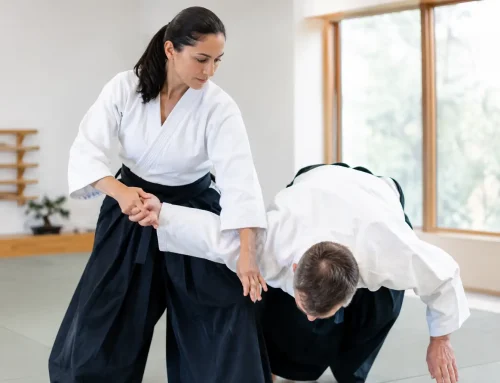
Inclusive martial arts instruction is not about lowering standards. It is about teaching standards in a way that gives people a fair opportunity to meet them. A beginner may need a technique broken into smaller steps. A student rebuilding strength may need a modified movement. A child who struggles with focus may benefit from simple, repeated cues and a predictable class routine.
The goal remains growth. The route may look different from student to student.
Good instructors pay attention to how students respond, not just whether they can copy a movement immediately. They correct with care, celebrate effort honestly, and create partner work that feels safe. They teach students that control is a sign of skill. This is especially important in self-defense training, where confidence should come from awareness, boundaries, and practiced technique, not from false promises.
In a Shaolin Kempo Karate system, students can encounter a broad foundation that includes striking, movement, self-defense concepts, and Jujutsu elements as part of the overall curriculum. That variety can be especially helpful for students who learn differently. One person may connect with forms and structure, while another gains confidence through practical partner drills. Both can develop discipline, coordination, and a stronger sense of personal responsibility.
Affordability Is a Community Commitment
When cost prevents people from participating, communities lose more than potential students. They lose future mentors, confident children, healthier adults, and neighbors who might have found connection through a shared activity. That is why flexible, donation-friendly models can make such a meaningful difference.
At OC Training Studio, the nonprofit approach through the Well Rounded Heroes Foundation reflects a commitment to helping more people access growth-oriented instruction. A pay-what-you-can-afford philosophy recognizes that a family’s circumstances can change and that a student’s potential should not be determined by a household budget.
That approach works best when it is paired with genuine quality. Accessible should never mean overlooked, rushed, or second-rate. Students deserve skilled teaching, a clean and respectful environment, and mentors who take their development seriously. Families deserve clear communication and programs that honor the time they invest.
Making a First Class Feel Possible
For someone new to martial arts, the first step can feel much larger than it looks from the outside. It helps to remember that every experienced student was once the person trying to remember where to stand, how to bow, or which foot moved first.
A good first class does not demand perfection. Wear comfortable clothing, arrive ready to listen, and allow yourself or your child to be new at something. Ask how safety is handled, what a typical class includes, and how instructors support beginners. Parents can also watch for the small signals that reveal a healthy culture: students being corrected respectfully, classmates encouraging one another, and instructors knowing names and paying attention.
The right fit depends on the person. Some students thrive in an energetic group setting, while others need a calmer introduction. Some want self-defense skills first, while others are drawn to the focus and tradition of martial arts. There is no single reason to train, and there is no shame in trying a class before making a commitment.
A More Welcoming Future for Martial Arts
Martial arts has the power to be a lifelong practice because it offers more than exercise. It gives people a place to practice courage in manageable ways. A student learns to take instruction, recover from frustration, support a partner, and continue when a skill takes time.
That power grows when training spaces choose inclusion on purpose. It grows when a child who feels different is treated as a valued teammate, when a parent can ask for help without embarrassment, and when an adult can begin again without being made to feel behind.
The strongest martial arts communities are not built by deciding who is tough enough to enter. They are built by helping people discover the strength they already have, then giving them the guidance, safety, and encouragement to use it well.