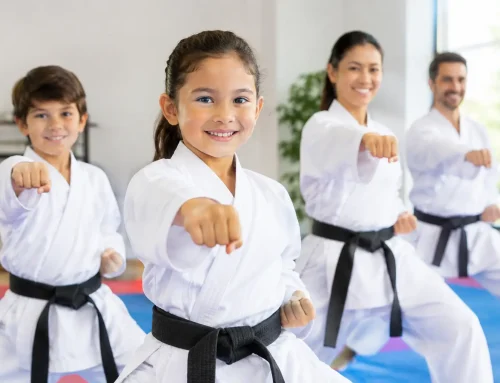
A child who hangs back at recess, struggles to focus after school, or needs a healthier outlet for big feelings does not need to be pushed into becoming a fighter. They need a place where they can practice being capable. Knowing how to choose kids karate starts there: look beyond the uniform and ask whether a program will help your child feel safer, stronger, and more connected.
The right class can build coordination, respect, confidence, and practical self-defense awareness. The wrong fit can leave a child feeling overlooked, pressured, or convinced that martial arts are not for them. A little research before enrolling can make all the difference.
How to Choose Kids Karate Based on Your Child
Start with your child, not with a flashy class schedule or a promise of quick results. Kids come to karate for different reasons. Some want more confidence. Some need a positive activity after school. Others are working through shyness, difficulty with focus, bullying concerns, or a desire to make friends.
Think about what would make the experience successful for your child six months from now. Maybe they will speak up more clearly, follow directions with less frustration, sleep better after being physically active, or feel proud of practicing something challenging. Those are meaningful goals, and a good instructor should be willing to hear them.
Age matters, but personality often matters more. An energetic child may thrive with active drills and clear routines. A quieter child may need patient encouragement and a smaller, more welcoming class atmosphere before they are ready to participate fully. Karate should offer structure without expecting every child to learn, communicate, or progress in exactly the same way.
It also helps to ask your child what interests them. They may be excited about kicks and blocks, but they may also care about meeting new people, earning a belt, or simply having a place where they feel included. Their answer gives you a useful starting point for choosing a program they will actually want to attend.
Look for Safety That Goes Beyond Physical Contact
Martial arts are physical, so proper instruction and supervision are essential. Children should learn age-appropriate techniques, body awareness, control, and how to practice safely with partners. The goal is not to make kids afraid of contact, but to teach them how to respect boundaries and use their bodies responsibly.
When you visit a class, watch what happens when a student makes a mistake. Does the instructor correct them calmly? Are children taught to pause, listen, and reset? Are more experienced students encouraged to help rather than intimidate beginners? These everyday moments tell you far more about a studio than a list of belts on the wall.
A safe culture also includes emotional safety. Children should never be mocked for being nervous, less coordinated, or slower to learn. A quality program creates room for effort and improvement. It teaches children that confidence is built through practice, not by pretending they are never scared or frustrated.
Ask how the school handles sparring, partner work, injuries, and behavior issues. Clear answers are a good sign. The program should have expectations for respect and safety, while still recognizing that children are learning social skills along with martial arts skills.
Pay Attention to the Instructor, Not Just the Style
Parents often compare styles first. Style can matter, especially if your family has a particular interest in traditional forms, self-defense, fitness, or competition. But for most beginning children, the instructor’s ability to teach and connect is more important than the name of the style.
A skilled children’s instructor knows how to give simple directions, keep a class moving, and make corrections without embarrassing anyone. They balance encouragement with accountability. They teach children to stand tall, listen, and keep trying, while still making the room feel welcoming.
Look for instructors who explain the purpose behind what children are learning. For example, a stance can improve balance. Practicing a calm response can help a child handle conflict. Working with a partner can develop awareness and respect. When lessons connect physical movement with real-life character skills, karate becomes more than an activity to fill an afternoon.
It is reasonable to ask about an instructor’s training and experience with children. Just as important, notice how they speak to your child during a trial class. Do they learn names? Do they offer a clear next step when a child is unsure? Warm, attentive mentorship is a strong foundation for lasting growth.
Choose a Program With Values You Can See
Many schools talk about discipline, respect, and confidence. Look for a program that demonstrates those values in its daily routines. Children learn from what adults model. If instructors are patient, prepared, and respectful, students are more likely to carry that behavior into school, home, and friendships.
A community-centered karate program should make room for different ability levels and backgrounds. Not every child wants to compete, and not every family is looking for an intense athletic environment. Some children benefit most from a consistent place to move, learn, and belong. Others may eventually enjoy performance, leadership opportunities, or more advanced training. A good school makes space for both.
This is especially valuable for parents concerned about bullying. Karate cannot control every situation a child may face, but it can help them develop posture, awareness, communication, and the confidence to seek help. The strongest anti-bullying lessons are not about winning fights. They are about recognizing danger, setting boundaries, staying calm, and knowing that asking a trusted adult for support is a strength.
At OC Training Studio, that broader view of martial arts is central: training is an opportunity to support well-rounded people, not simply produce tougher students. Families deserve programs where personal growth and community care are treated as part of the curriculum.
Visit a Class Before You Commit
A trial class or observation is one of the best ways to decide whether a program feels right. Arrive a few minutes early, if possible, so you can see how students enter the room and how the instructor begins. A well-organized class does not need to be silent or stiff, but it should have a clear rhythm and purposeful direction.
During class, watch whether students spend most of their time learning and moving. Very long lines, excessive waiting, or chaotic transitions can make it harder for young children to stay engaged. On the other hand, nonstop intensity without opportunities to listen and practice control may not be the best fit for every child.
Afterward, ask your child specific questions instead of simply asking, “Did you like it?” Try: “Did you feel comfortable asking for help?” “What was the most fun part?” “Was anything confusing or scary?” Their answers can reveal whether the class challenged them in a healthy way or felt overwhelming.
A first class does not have to feel perfect. New places can be intimidating. What matters is whether your child felt respected, supported, and curious enough to return.
Consider Schedule, Cost, and Family Sustainability
The best karate program is one your family can attend consistently. A class across town may look appealing, but a convenient schedule and realistic commute often matter more over time. Children build confidence through repetition. Missing frequently can make it harder for them to feel connected to the group and proud of their progress.
Ask about tuition, uniforms, testing fees, cancellation policies, and any required equipment before you enroll. Transparency matters. Families should be able to understand the full commitment without pressure or surprises. Affordable access is not a small detail when choosing an activity that may become part of your child’s routine.
Also consider whether the program’s pace works for your child. Belt advancement can be motivating, but it should reflect learning and steady effort, not become a source of stress. Children benefit when they understand that progress is earned through showing up, practicing, and growing at their own pace.
Give the Relationship Time to Grow
Karate rarely changes a child overnight. The meaningful changes are often quiet at first: a stronger posture, a calmer response to disappointment, a new willingness to try, or a child who walks into class and knows they belong there.
Choose a program that gives your child room to become more of themselves – confident, respectful, resilient, and ready to contribute to the people around them. That is the kind of growth worth showing up for.