A child who knows what to do when something feels wrong is not being taught to live in fear. They are being given a steady foundation for moving through the world with awareness, confidence, and good judgment. The best safety habits are simple enough to practice often, flexible enough to fit real life, and supportive of a child’s growing independence.
For families, safety works best as an ongoing conversation rather than one serious talk after a frightening news story. Children and teens need clear expectations, room to ask questions, and trusted adults who will listen without shame or panic. Adults benefit from the same approach: calm preparation makes it easier to respond thoughtfully when plans change.
Start With Awareness, Not Anxiety
Safety does not mean assuming danger is around every corner. It means helping each person recognize their surroundings, notice when something is unusual, and trust the quiet signals that say, “I need to pause.” That awareness can be practiced on a walk, in a parking lot, at school, during an online game, or before opening the door at home.
1. Practice paying attention before reacting
Encourage children to look up from screens when entering or leaving a building, walking through a parking lot, or crossing a street. At home, adults can model this habit by putting the phone away while driving, checking mirrors carefully, and avoiding rushed decisions.
Awareness is not about being suspicious of everyone. It is about noticing practical details: Where is the nearest exit? Who is nearby? Is an adult expected to be here? What is my next safe step? These small questions build judgment over time.
2. Teach the difference between uncomfortable and unsafe
Children sometimes hear “trust your instincts” but do not know what that means. Give them language for it. Feeling uncomfortable may mean a new class, an unfamiliar adult, or a challenging conversation. Feeling unsafe may involve someone ignoring boundaries, asking for secrecy, threatening them, touching them without permission, or trying to separate them from their trusted people.
The right response depends on the situation. A child may be able to take a breath and work through ordinary discomfort. When safety is involved, they should know they can leave, make noise, find a trusted adult, and tell someone. They will never be in trouble for asking for help.
Build Safety Habits Into Everyday Routines
The strongest routines are the ones families can repeat without turning daily life into a lecture. A quick check-in before school or practice can be more useful than a long speech once a year.
3. Make a family communication plan
Every family member should know who to call if plans change, a ride is late, or they feel unsafe. Younger children may need a written list of key phone numbers. Teens may need clear rules about checking in when they arrive somewhere, leave, or accept a change in transportation.
Choose a simple family code word for situations where someone needs help but cannot explain freely. Keep it private and change it if it becomes widely known. Also discuss what to do if a phone battery dies: whom to approach, where to wait, and how to contact a trusted adult. The goal is not constant monitoring. It is making sure no one feels stranded.
4. Use clear rules for rides, doors, and public spaces
A few consistent rules remove guesswork. Children should know not to leave with anyone unless a parent or caregiver has approved it. They should understand that adults who genuinely need help can ask another adult, not a child, for assistance.
At home, teach children not to open the door to unexpected visitors. In public, set a meeting spot before entering a busy store, park, or event. If a child gets separated, they should look for a safe helper such as an employee, security staff member, teacher, or a parent with children nearby. Searching alone can make separation worse.
5. Rehearse emergency actions without making them scary
Knowing how to call 911, state an address, and describe an emergency is a practical life skill. Practice it briefly and calmly. Children do not need frightening scenarios to understand that emergencies are times to get help quickly.
Families should also have a basic plan for fire alarms, severe weather, power outages, and medical needs. Review where to meet outside the home and who is responsible for pets, younger siblings, or essential medications. Rehearsal builds calm because it turns a confusing moment into a familiar sequence of actions.
Respect Boundaries and Speak Up Early
Many safety concerns become more manageable when people feel allowed to use their voice. Children need to hear that their body belongs to them and that respectful adults will honor reasonable boundaries.
6. Normalize consent in ordinary moments
Ask before hugs, roughhousing, sharing photos, or borrowing personal belongings. This may seem small, but it gives children a daily example of mutual respect. They learn that “no,” “stop,” and “I do not like that” are complete statements.
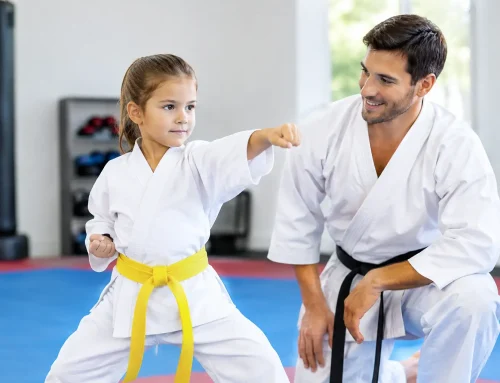
At the same time, teach children how to express boundaries with confidence rather than apology. A strong voice, direct words, and physical distance can be powerful tools. In a safe martial arts environment, students can practice posture, awareness, and controlled movement while learning that strength includes restraint and respect for others.
7. Make reporting problems a sign of strength
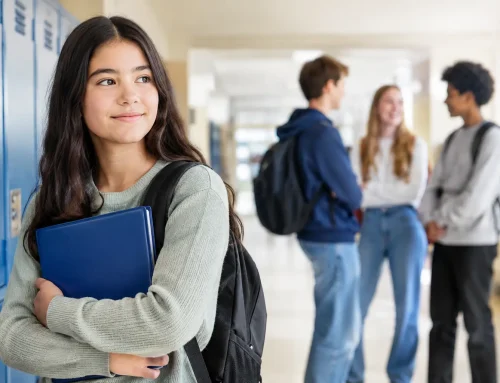
Bullying, unwanted contact, online harassment, and troubling behavior should not become a child’s private burden. Some children stay silent because they worry adults will overreact, take away their devices, or blame them for what happened. Make your response predictable: listen first, thank them for telling you, and work on the next step together.
Ask specific questions without turning the conversation into an interrogation. What happened? When did it happen? Who else was there? What would help you feel safer tomorrow? Save messages or screenshots when appropriate, and involve the school or other responsible adults when the situation calls for it.
Practice Smart Digital Safety
Online spaces are part of school, friendships, entertainment, and creative expression. The rules should be practical, not based on the idea that young people can simply avoid the internet altogether.
8. Protect personal information and privacy
Children and teens should understand that names, school details, routines, locations, passwords, and personal photos deserve care. Privacy settings help, but they do not make every interaction safe. A private account can still include people someone does not know well.
Talk about requests from strangers, pressure to move chats to another app, messages that demand secrecy, and anyone who asks for images or personal details. The rule is simple: pause before sharing, and bring a trusted adult into anything that feels confusing, urgent, or uncomfortable.
9. Slow down before posting or responding
A rushed reply can create problems that last longer than the moment. Encourage a pause before responding to insults, sharing a rumor, clicking an unfamiliar link, or posting a photo of someone else. This habit protects both safety and relationships.
Adults should follow the same standard. Children notice when parents share their photos or personal stories without asking. Modeling thoughtful online behavior makes guidance feel fair rather than one-sided.
Prepare the Body and Mind to Respond
Safety is not only about rules. It also includes the ability to stay composed enough to make a decision. A person who can breathe, create space, and seek help is better equipped than someone who freezes under pressure.
10. Build confidence through regular practice
Physical activity, martial arts training, and age-appropriate self-defense education can help children and adults feel more capable in their bodies. The purpose is not to encourage confrontation. The best outcome is avoiding a dangerous situation, leaving safely, and getting help.
At OC Training Studio, students are encouraged to develop awareness, discipline, respect, and confidence alongside physical skills. Training can give a child a healthy place to practice listening, setting goals, using their voice, and supporting peers. Those lessons matter well beyond the training floor.
Safety habits also grow through ordinary choices: wearing a helmet, buckling a seat belt, carrying water on a hot day, following pool rules, and telling someone where you are going. These actions may not feel dramatic, but they teach a powerful message: your well-being is worth protecting.
A safe, confident family is not one that has every answer prepared. It is one where people know they can pause, speak up, ask for help, and keep learning together.