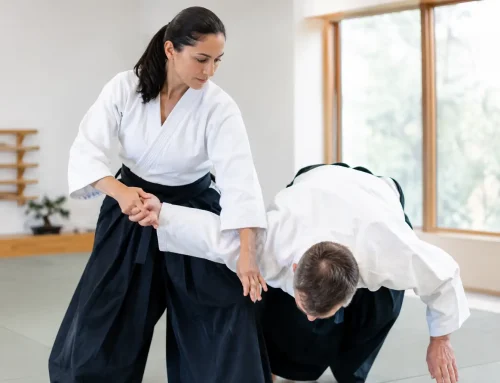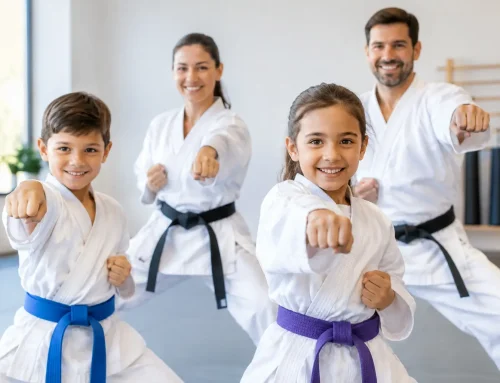
A child who has been avoiding recess, a teen who needs a healthier outlet after school, or an adult who wants to feel more prepared in everyday life should not be priced out of support. Affordable martial arts classes are about more than finding the lowest monthly rate. They are about making confidence, movement, mentorship, and practical safety skills accessible enough to become part of real life.
For families, affordability is rarely a simple number. It means knowing the program will fit the household budget next month, not just during a short introductory special. It means children can keep building relationships with instructors and classmates instead of having to leave just as they begin to feel capable. It also means the class delivers value that reaches beyond the training floor.
What Affordable Martial Arts Classes Should Provide
A low price alone does not make a program a good value. A class can be inexpensive yet still feel disorganized, impersonal, or focused only on collecting belts. The better question is: what does your family receive for the investment of time, energy, and money?
A meaningful martial arts program gives students structure. They learn to arrive on time, listen carefully, practice with patience, and keep working when a skill does not come easily. For children and teens, those habits can carry into school, friendships, and responsibilities at home. For adults, training can become a steady place to reset, build strength, and reconnect with personal goals.
Safety should also be central. Beginners need instruction that meets them where they are, with clear expectations about respect, controlled practice, and looking out for training partners. A welcoming school does not require someone to be athletic, flexible, or experienced before they walk through the door. It helps them grow from their starting point.
At their best, affordable martial arts classes also create belonging. Students are not treated as numbers in a crowded room. They are known, encouraged, and guided by mentors who recognize progress in many forms: speaking up with more confidence, showing better self-control, helping a newer student, or returning after a difficult week.
Look Beyond the Introductory Price
An introductory offer can be a helpful way to try a class, but it should not be the only factor in a decision. Before enrolling, ask what the regular cost will be, whether there are required equipment purchases, and how often fees may come up for testing, uniforms, or special events. Honest answers make it easier for families to plan.
There is no one payment model that works for everyone. Some households prefer a predictable monthly membership. Others need more flexibility because schedules and finances can change. Community-centered programs may offer donation-friendly or pay-what-you-can-afford options that recognize a simple truth: people deserve access to positive development even when budgets are tight.
That approach is especially valuable for families with more than one child or for parents who want to train alongside their children. Martial arts should add strength and stability to a household, not create financial pressure that makes participation difficult to sustain.
Ask What Is Included
A straightforward conversation before registration can prevent surprises later. Find out how many classes a student may attend, whether beginners receive individual guidance, and what equipment is truly needed at the start. Most new students do not need every item immediately. A quality instructor can explain what is essential now and what can wait until training becomes a regular commitment.
It is also worth asking how a school handles missed classes. Families have school events, work deadlines, illnesses, and vacations. A program that understands real life helps students return without shame and keeps the focus on steady growth rather than perfect attendance.
Choose a Class With a Purpose Beyond Fighting
Some people look for martial arts because they want practical self-defense. Others are searching for exercise, focus, stress relief, or a stronger social circle. All are valid reasons to begin. The strongest programs respect those goals while teaching that martial arts is not about starting conflicts or proving who is toughest.
Students should learn awareness, boundaries, de-escalation, and the responsibility that comes with physical skills. Children benefit from anti-bullying guidance that helps them use their voice, seek help from trusted adults, and stay calm under pressure. Adults benefit from training that develops awareness and confidence without creating a culture of fear.
Shaolin Kempo Karate can be especially valuable for people seeking a broad, practical path. Its training can include striking, movement, self-defense concepts, and elements of Jiu-Jitsu within the larger system. That variety gives students room to develop physical coordination and problem-solving skills while learning how different techniques serve different situations.
The goal is not to make every student a competitor. It is to help each person become more capable, grounded, and considerate. A quiet child may discover confidence. A busy parent may find an hour each week that supports health and emotional balance. A teen may gain mentors and peers who expect the best from them.
The Right Environment Matters as Much as the Style
Martial arts styles have different histories, movements, and traditions. Those differences matter, but the culture of the school often matters even more for a beginner. A great curriculum can lose its value if students feel intimidated, ignored, or pressured to move faster than they are ready.
Watch how instructors speak to children and adults. Do they correct with clarity and encouragement? Are students invited to ask questions? Do more experienced students help newcomers feel included? Is discipline taught as a form of self-respect rather than embarrassment? Those everyday moments reveal whether a studio is building people up.
Parents should also look for an environment where children can be children. Growth takes consistency, but it should also include joy. When students laugh, work hard, celebrate effort, and learn to recover from mistakes, training becomes something they want to continue.
For adults, the right setting should feel equally approachable. You do not need to arrive in peak condition. You need a place where progress is possible, where instruction is adapted thoughtfully, and where no one is judged for taking the first step later in life.
Make Training Sustainable at Home
The most affordable program is often the one a student can continue long enough to experience its benefits. That does not mean attending every possible class or treating martial arts as another source of pressure. It means choosing a realistic rhythm.
For many families, one or two classes a week is a strong beginning. Put training on the calendar like any other important commitment, prepare uniforms or comfortable clothing ahead of time, and make space for a quick check-in after class. Ask a child what they practiced, what felt challenging, or who helped them. Those conversations show that their effort matters.
Avoid measuring progress only by rank or visible athletic ability. A student who once gave up quickly but now tries again is progressing. A child who uses a calm voice during a disagreement is progressing. An adult who feels more energetic and confident walking into a room is progressing. These are the changes that make training worthwhile.
OC Training Studio was built around the belief that community access and personal growth belong together. A mission-driven approach to instruction recognizes that every student brings a different story, ability level, and financial reality to class. What they share is the chance to learn in a safe, supportive space.
Start With One Welcoming Class
The right first class should leave a student feeling challenged but encouraged, not overwhelmed. Wear comfortable clothes, arrive with curiosity, and let the instructor know about any concerns, injuries, or goals. Beginners do not need to know the terminology or have the right moves on day one. They only need the willingness to learn.
When a program is affordable, respectful, and genuinely invested in its students, martial arts becomes more than an activity on the schedule. It becomes a steady source of confidence, health, and connection that can grow with a person for years.