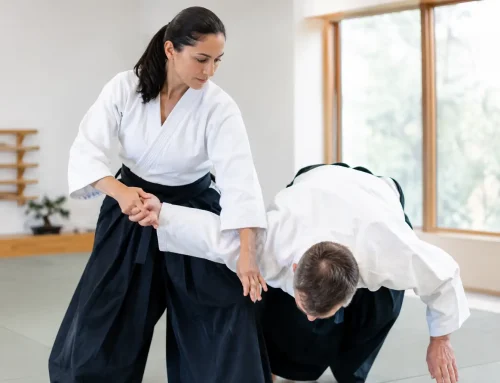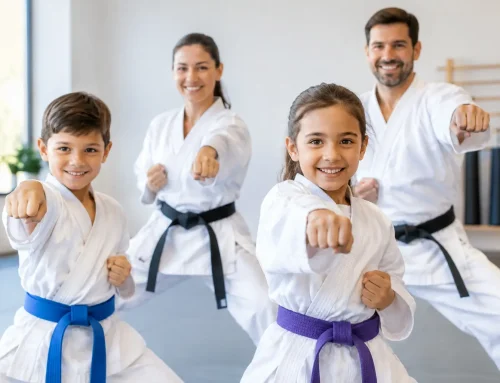
A child hears an unkind comment at school. A teen feels uncomfortable walking through a parking lot. An adult notices someone standing too close and refusing to take a clear no for an answer. Real world self defense training is not about winning a fight. It is about recognizing risk early, using your voice with confidence, making space, and getting to safety whenever possible.
The most valuable self-defense skills often look calm rather than dramatic. They help people carry themselves with awareness, set healthy boundaries, and respond without freezing when a situation feels wrong. For families, that makes training about much more than punches and kicks. It becomes a place to practice confidence, judgment, discipline, and respect.
What Real World Self Defense Training Should Teach
Practical training begins with a simple truth: the best physical confrontation is the one you avoid. A thoughtful program teaches students to pay attention to their surroundings, trust reasonable instincts, and choose distance over unnecessary conflict. It also teaches that being kind does not require being passive.
Students should learn how to use a clear voice, set a boundary, and leave when they can. A firm “Stop,” “Back up,” or “I need help” may be more useful than any technique when it is delivered early, loudly, and with confidence. For children and teens, this can include identifying trusted adults, responding to bullying without escalating it, and knowing when to report a concern.
Physical skills still matter. If someone grabs, blocks, or corners you, basic movement, balance, protective positioning, and escape-focused techniques can create the moment needed to get away. The goal is not to look impressive. The goal is to stay as safe as possible and reach help.
Awareness Is the First Layer of Protection
Awareness is not fear. It is the habit of noticing what is happening around you without living on edge. That might mean keeping your head up instead of walking while absorbed in a phone, knowing where exits are, or recognizing when a person’s behavior is making you uncomfortable.
For adults, awareness may include parking in visible areas, letting someone know where you are going, and listening to the internal signal that says a situation is becoming unsafe. For younger students, it can mean understanding personal space, avoiding isolated areas, and knowing that they can ask for help even if they worry about getting someone in trouble.
This part of self-defense deserves regular practice because it works before physical contact ever happens. A student who notices a concern early has more choices. They can change direction, move toward other people, call a trusted person, or leave without needing to prove anything.
Confidence Means Having Options, Not Acting Tough
Many people assume self-defense training creates aggression. Quality instruction does the opposite. It gives students alternatives to panic, posturing, or reacting impulsively. A calm, capable person is often better prepared to de-escalate than someone who feels they have nothing to fall back on.
That confidence grows through repetition. Students practice a balanced stance, moving away from pressure, using their voice, and making simple decisions under guided stress. They discover that they can stay present when a situation is uncomfortable. Over time, that lesson carries into school, work, friendships, and family life.
For parents, this is one of the most meaningful benefits. Children who feel capable are often less likely to be drawn into arguments, less vulnerable to intimidation, and more prepared to speak up appropriately. They learn that confidence is not about dominating another person. It is about knowing their worth and protecting their boundaries.
Why Simple Skills Work Best Under Stress
During a frightening moment, fine motor skills and complicated sequences can be hard to remember. That is why effective instruction favors simple, repeatable actions that work with natural body movement. Good posture, a stable base, strong verbal boundaries, and techniques that create distance are more useful than a long series of choreographed moves.
Training should also acknowledge that every situation is different. A strategy that makes sense in a crowded public place may not be the right choice in a school hallway, at home, or when protecting a child. Students need principles, not just memorized responses: create space, protect yourself, move toward safety, call attention to the situation, and get help.
Within a well-rounded martial arts curriculum, students can build these skills progressively. Shaolin Kempo Karate, for example, can include jujutsu-based principles as part of its broader system, helping students understand balance, leverage, releases, and controlled responses alongside striking, movement, and personal development. The value comes from learning these tools in context, with supervision and respect for safety.
Safe Practice Builds Better Judgment
Self-defense should be taught in an environment where students can make mistakes, ask questions, and learn at an appropriate pace. A supportive instructor does not pressure beginners to perform beyond their comfort level. Instead, they explain why a skill matters, demonstrate it clearly, and allow students to build confidence through consistent practice.
Partner work is especially valuable when it is structured carefully. Students learn how it feels when someone takes up too much space, grabs a wrist, or applies pressure. They also learn restraint. Practicing with control teaches that strength includes protecting a training partner, following directions, and knowing when to stop.
For children, safe instruction should include age-appropriate conversations about consent, personal boundaries, and seeking help. Teen programs can add more realistic discussions about peer pressure, online interactions that move into the real world, dating boundaries, and social settings. Adults may focus on workplace awareness, travel, parking lots, and the responsibilities that come with caring for family members.
Training for Bullying and Conflict Without Escalation
Not every challenge is a physical threat. Bullying, social pressure, and repeated teasing can affect a young person’s confidence long before an incident becomes physical. Real world self defense training can give children and teens a healthier way to respond.
That does not mean telling a child to handle bullying alone. The right response may include using an assertive voice, moving toward friends or adults, documenting what happened, and reporting repeated behavior. Martial arts can support that plan by helping students stand taller, communicate more clearly, and avoid being pulled into a cycle of retaliation.
There is an important trade-off here. A student needs enough confidence to defend personal boundaries, but also enough judgment to know when physical action would make a problem worse. Training should reinforce that walking away, getting help, and protecting others are signs of strength.
Choosing a Program That Fits Your Family
A good program should feel welcoming from the first visit. Beginners should not need prior athletic experience, and families should not feel pressured to fit a competitive mold. Look for instructors who emphasize awareness, respect, emotional control, and practical safety alongside martial arts technique.
It also helps to ask how the program adapts for different ages and abilities. A younger child may need short, engaging lessons that build coordination and listening skills. A teen may benefit from realistic boundary-setting practice and confidence around peers. An adult may want a practical workout while gaining tools for everyday personal safety.
At OC Training Studio, the focus is on helping people become more capable, confident, and connected. That mission matters because self-defense is not a one-time lesson. It is a steady practice of learning to care for yourself, respect others, and make safer choices when life feels uncertain.
The next time you or your child practices a clear boundary, notices an exit, stands with better posture, or asks for help without hesitation, recognize that as progress. Those quiet skills can shape a safer, more confident life far beyond the training floor.