A child who avoids raising their hand, hangs back at recess, or worries about trying something new does not need to be told to “be confident.” They need repeated chances to feel capable. Confidence building classes for kids create those chances through encouraging instruction, clear goals, movement, creativity, and the experience of being welcomed by a group that wants them to succeed.
Real confidence is not about being the loudest child in the room. It is the quiet knowledge that says, “I can try,” “I can learn,” and “I know what to do when something feels hard.” For many children, a thoughtful class can become the place where that belief starts to grow.
What Confidence Building Classes for Kids Should Teach
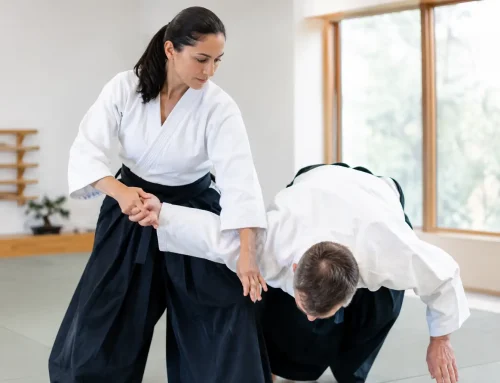
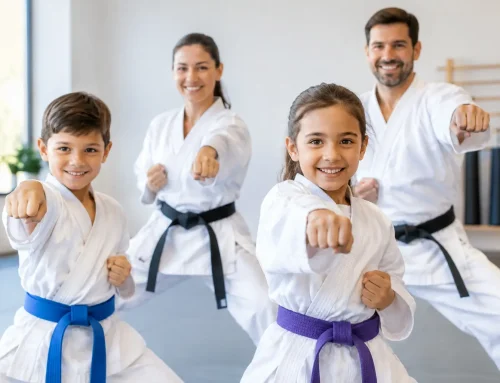
A quality confidence program gives children more than a fun activity after school. It gives them practical ways to meet challenges. Martial arts classes are especially valuable because progress is visible: a student learns a stance, remembers a sequence, improves balance, practices a respectful response, and eventually realizes that skills once felt difficult are now familiar.
That process matters. Children build confidence through evidence, not empty praise. “Good job” is kind, but “You kept practicing that movement until you got it” helps a child connect effort with improvement. A supportive instructor notices those small wins and makes them meaningful.
The best classes also teach children how to handle setbacks. Missing a step, feeling nervous during a new activity, or needing extra practice is normal. In a healthy learning environment, mistakes are treated as part of training, not as proof that a child does not belong. This helps children become more willing to participate at school, make new friends, and try unfamiliar things outside class.
Confidence is different from aggression
Parents sometimes worry that self-defense or martial arts will make a child more aggressive. Well-taught martial arts should do the opposite. It teaches self-control, respect, awareness, and responsibility. Children learn that physical skills are not for showing off or starting conflict. They are tools for safety and a reminder that strength includes restraint.
This distinction is particularly helpful for children facing teasing or bullying. No class can promise that a child will never encounter unkind behavior. What it can do is help them stand taller, use a clear voice, set boundaries, recognize when to get help, and understand that walking away can be a strong choice. Practical self-defense skills should always be paired with sound judgment and adult support.
Why Martial Arts Builds Everyday Courage
Martial arts offers a structure that many children find reassuring. There is a beginning and an end to class, clear expectations, respectful routines, and skills that build one step at a time. A child does not have to be naturally athletic or outgoing to participate. They simply need a place where beginners are expected and effort is recognized.
In Shaolin Kempo Karate, children can develop coordination, fitness, focus, and practical self-defense foundations while learning to work with others. The system also includes Jiu-Jitsu techniques as part of its broader training approach, helping students understand movement, balance, and safe control in age-appropriate ways. The goal is not to turn children into fighters. It is to help them become calm, capable young people who know how to carry themselves.
Martial arts can be especially meaningful for a child who has not found their “thing” yet. Team sports are wonderful for many kids, but they can feel intimidating when a child is worried about letting teammates down or being compared with more experienced players. Martial arts allows individual progress inside a shared community. Students train alongside one another, celebrate each other’s growth, and move forward at a pace that makes sense for them.
That does not mean martial arts is the best fit for every child. Some children need a lower-impact introduction, more time to warm up socially, or a creative outlet before they are ready for physical training. The right class is one that meets the child where they are while gently inviting them to stretch beyond what feels easy.
Creative Classes Build a Different Kind of Confidence
Confidence does not only grow through kicks, stances, and physical challenges. It also grows when a child learns to share an idea, speak in front of a group, and recover smoothly when something does not go as planned. That is why magic and illusion classes can be such a powerful complement to physical training.
Learning a magic trick asks children to pay attention to details, practice patiently, and communicate with an audience. At first, performing can feel vulnerable. With preparation and a welcoming instructor, a child can move from whispering a trick to proudly presenting it to classmates, grandparents, or friends. The applause is enjoyable, but the greater lesson is that preparation helps nerves become excitement.
Magic also invites children to be playful and expressive. A child who is quiet in a martial arts class may become animated while telling the story behind a trick. Another child may love the discipline of practicing a routine until their hands remember every move. Different paths can lead to the same feeling: “I made something happen, and I can share it with others.”
What Parents Should Look for in a Class
The class environment matters as much as the activity. A program may sound impressive on paper, but children need instructors who know how to teach, encourage, and create emotional safety. Watch a trial class if possible. Notice whether beginners receive guidance without embarrassment, whether students are spoken to respectfully, and whether the instructor corrects behavior with patience and consistency.
Look for a balance of structure and warmth. Children benefit from clear rules, but they should also feel that questions are welcome. A good instructor can challenge a student without shaming them and can encourage a shy child without forcing them into the spotlight before they are ready.
It also helps to choose a program with goals beyond performance. Belts, demonstrations, and new tricks can be motivating milestones, but the deeper outcomes are resilience, focus, kindness, communication, and a sense of belonging. Ask how the program supports social development and safety, not only how quickly a child can advance.
Accessibility deserves consideration too. Families are more likely to see lasting benefits when a class is affordable, welcoming, and realistic to attend consistently. Progress comes from regular practice over time, not from a single inspirational session. For families who need flexibility, live online martial arts and magic instruction can offer another way to keep learning and connected, though in-person classes often provide additional opportunities for social confidence and guided partner work.
How to Support Confidence Between Classes
Parents do not need to become instructors at home. The most helpful support is simple and specific. Ask what your child practiced, what felt challenging, and what they were proud of. Listen without immediately correcting or solving. When children describe their own progress, they begin to recognize it for themselves.
Try to praise the process more than the result. Instead of saying only, “You were amazing,” say, “I noticed you kept going even when you were nervous,” or “You remembered to speak clearly when you showed me that trick.” These comments teach children that courage is something they do, not a trait that some people are simply born with.
It is also wise to keep expectations realistic. Confidence can grow unevenly. A child may feel bold during class but still be shy at a birthday party, or they may master a new skill and then struggle with the next one. That is not failure. It is how growth looks when it is real.
At OC Training Studio, the aim is to give children a place where they can build skills, feel supported, and discover the strength they already carry. Whether a child finds their voice through martial arts or amazes others through magic, each small act of practice can become a lasting reminder: they are allowed to learn, take up space, and believe in their ability to grow.