Walking into a martial arts class for the first time can feel bigger than learning a few punches. You may wonder whether you are coordinated enough, fit enough, or brave enough to begin. This beginner guide to Shaolin Kempo is here to replace that uncertainty with a simple truth: everyone starts somewhere, and a supportive class is built to help you grow from that first step.
Shaolin Kempo Karate is not about proving you are tougher than the person beside you. It is a structured path for building awareness, practical skills, healthy habits, discipline, and confidence. For children, teens, and adults, the greatest early win is often not a perfect technique. It is realizing, “I can learn this.”
What Shaolin Kempo Karate Teaches Beginners
Shaolin Kempo Karate is a martial arts system that brings together striking, movement, self-defense principles, and traditional training values. While styles and schools can emphasize different elements, beginners commonly learn how to stand with balance, move with purpose, protect themselves, and respond calmly under pressure.
Early classes usually focus on fundamentals: a stable stance, basic hand strikes, blocks, kicks, body positioning, and simple combinations. Students also practice how to create distance, use their voice, and make thoughtful choices in uncomfortable situations. The goal is not to encourage conflict. It is to help people recognize danger, avoid it when possible, and act with greater confidence if they need to protect themselves.
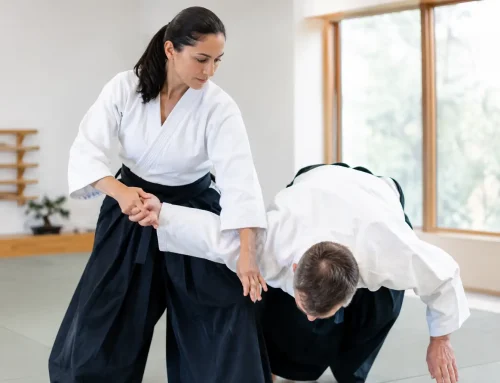
As students progress, Shaolin Kempo Karate can introduce a wider range of material. This may include forms, partner drills, self-defense applications, and elements of Jujutsu within the Shaolin Kempo Karate system, such as escapes, balance disruption, and controlled close-range responses. Learning develops in layers, so beginners are not expected to absorb everything at once.
What Your First Shaolin Kempo Class May Feel Like
A first class should feel welcoming, active, and appropriately challenging. You may begin with a warm-up that raises your heart rate and prepares your joints for movement. From there, an instructor may demonstrate a stance, a block, or a simple strike before giving everyone time to practice.
Expect to repeat movements. Repetition is how martial arts become useful. A technique that feels awkward on day one can start to feel natural after patient practice. Good instruction gives you clear corrections without making you feel embarrassed for being new.
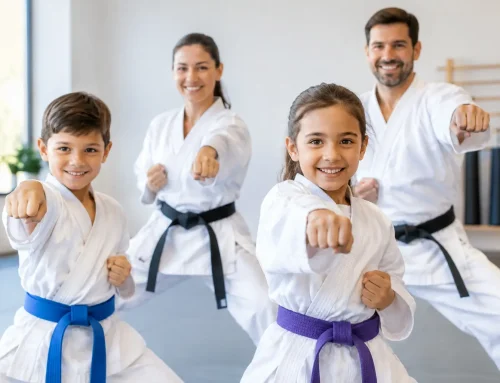
You will likely train with people at different experience levels. That can be encouraging rather than intimidating. More advanced students often remember their own first day and can model focus, courtesy, and perseverance. A community-centered class makes room for questions and celebrates steady effort, not just natural athletic ability.
For parents, a quality beginner class should also feel safe to observe. Children need age-appropriate instruction, clear boundaries, and mentors who teach respect alongside physical skills. Training should support confidence without teaching a child to seek out fights.
You Do Not Need to Get in Shape First
Many people postpone martial arts because they believe they need to become flexible, strong, or confident before joining. That is like saying you need to know how to swim before taking swimming lessons. Training is where you build those abilities.
You may feel tired after your first few classes, especially if your current routine is mostly sitting, working, or managing family life. That is normal. Start at your own pace, tell your instructor about injuries or limitations, and focus on consistency. Small improvements in balance, stamina, coordination, and posture add up quickly.
The Habits That Help Beginners Progress
Progress in martial arts is rarely a straight line. Some days a kick will click immediately. Other days, a movement you understood last week may feel unfamiliar again. The students who grow most are usually not the ones who rush. They are the ones who return, listen, and stay curious.
Arrive a few minutes early so you can settle in and prepare without stress. Wear comfortable clothes if a uniform is not required, bring water, and keep fingernails trimmed for partner safety. During class, give your attention to the instructor, ask questions when you need clarity, and practice with control.
Outside of class, you do not need an elaborate training plan. Review a stance or a few movements when your instructor recommends it. Gentle stretching and regular movement can help, but rest matters too. For a child, a simple question after class, such as “What did you practice today?” can reinforce learning without turning home into another dojo.
It also helps to set a personal goal that goes beyond earning a new belt. A teen may want to speak up with more confidence. An adult may want to feel safer while walking to the car after work. A child may want to stay calm when frustrated. These goals make training meaningful long before a rank test arrives.
Safety, Respect, and Real-World Confidence
Martial arts training works best when safety and respect are part of every lesson. Students learn to control the power and direction of their movements. They learn that a training partner is not an opponent to defeat, but a person helping them practice responsibly.
This is especially valuable for beginners who worry about sparring or physical contact. Programs vary, but safe instruction introduces contact gradually and with supervision. You should understand what an exercise involves before participating, and you should be able to speak up if something feels unsafe. Physical limitations, sensory needs, prior injuries, and confidence levels all deserve consideration.
Real self-defense is also broader than physical technique. It includes awareness, boundaries, verbal confidence, and knowing when leaving is the best option. For children, anti-bullying skills often begin with posture, eye contact, calm words, and seeking help from trusted adults. For adults, it may mean practicing situational awareness and responding decisively rather than freezing.
Martial arts does not guarantee that difficult moments will disappear. It can, however, give students more tools for meeting those moments with composure. That is a meaningful kind of strength.
How to Choose the Right Beginner Program
The right program depends on your goals, but the atmosphere matters as much as the curriculum. Look for instructors who explain why a movement is being taught, not just how to copy it. Beginners benefit from structure, but they also need encouragement and room to learn at a healthy pace.
Ask whether classes are organized by age or experience, how instructors approach safety, and what a typical beginner path looks like. If you are enrolling a child, pay attention to whether the class builds social skills and self-control along with technique. If you are an adult, consider whether the schedule and training intensity are sustainable for your life. A program only helps if you can keep coming back.
Cost can be a real barrier for families, and it should not prevent people from accessing positive mentorship and practical education. Community-minded programs that prioritize affordable participation can make martial arts more reachable. At OC Training Studio, the focus is on creating a supportive space where people can train, build confidence, and belong.
A Beginner Guide to Shaolin Kempo Mindset
There is no need to compare your beginning to someone else’s middle. Martial arts can look impressive when experienced students move quickly through forms or demonstrate advanced self-defense, but every one of those students learned by placing their feet correctly, practicing basic movements, and returning after mistakes.
Give yourself permission to be a beginner. Show up ready to learn, be kind to yourself when a technique takes time, and notice the quiet changes along the way. The stronger stance, the calmer voice, the new friendships, and the willingness to try again may become the most valuable parts of your Shaolin Kempo journey.