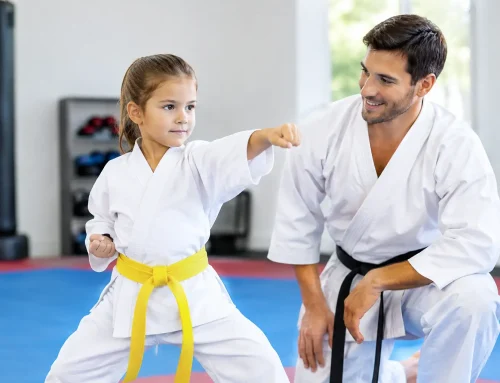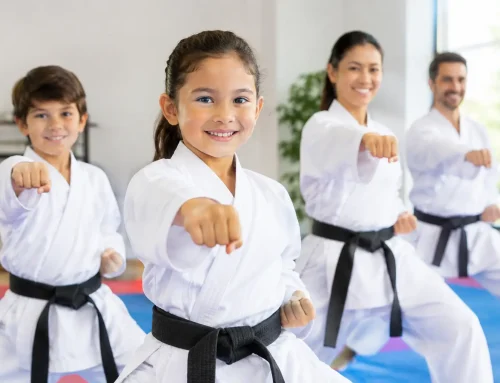
A seven-year-old may arrive holding a parent’s hand, unsure about speaking up. A teenager may need a place to move, focus, and belong. An adult may want practical self-defense skills without being dropped into an intimidating gym. The right classes for all ages meet each person where they are, then give them a meaningful next step.
At a community-centered studio, training is not only about earning a belt, learning a technique, or performing a great trick. It is about becoming more confident in school, more capable in stressful moments, more connected to others, and more willing to keep trying when something feels difficult.
Why Classes for All Ages Work Better Than One-Size Programs
Age matters, but people of every age need many of the same things: encouragement, safe structure, skilled guidance, and a community that notices their progress. What changes is the way those needs are supported.
Young children learn best through movement, repetition, imagination, and clear expectations. Martial arts can help them practice listening, body awareness, coordination, and respect in a way that feels active rather than like another school assignment. A magic lesson can give them a fun reason to practice patience, sequencing, and speaking in front of others.
For teens, the value often goes deeper. These years can bring social pressure, academic stress, and uncertainty about identity. A consistent class gives teens a place where effort matters, where progress is visible, and where they can learn alongside mentors who expect the best from them without demanding perfection. Martial arts training can build healthy discipline and practical awareness, while magic offers a creative outlet that rewards practice and personality.
Adults deserve beginner-friendly spaces, too. Some are returning to exercise after years away. Others want to feel more prepared for everyday safety situations, relieve stress, or find a hobby that is not centered on screens or work. The best adult programs recognize that every body, schedule, and goal is different. Training should be challenging, but never built on embarrassment or pressure to keep up with someone else.
What Families Gain From Learning in One Community
A studio that welcomes children, teens, and adults creates something more valuable than a packed schedule. It creates shared language around growth. A child who sees a parent practice a new skill learns that courage does not have an age limit. An adult who watches young students persist through a difficult drill is reminded that progress comes in small, repeatable efforts.
Families do not need to take the same class to benefit from the same environment. One person may be drawn to Shaolin Kempo Karate, while another feels excited by magic and illusions. What matters is that each student enters a space built on respect, safety, and genuine mentorship.
This is especially helpful for busy families. Rather than driving to separate places for fitness, self-defense, confidence-building, and creative enrichment, families can find options that support different interests under one roof. It also makes it easier to build a healthy routine. When classes feel welcoming instead of overwhelming, students are more likely to return week after week.
Martial arts offer more than physical fitness
Martial arts are often misunderstood as being only about fighting. Quality instruction teaches the opposite: control, awareness, responsibility, and the confidence to avoid unnecessary conflict. Students learn how to stand with better posture, set boundaries, pay attention to their surroundings, and respond with more calm under pressure.
Shaolin Kempo Karate can be especially valuable for students who want a well-rounded path. Its training can include striking, movement, self-defense principles, and grappling concepts. Jiu-Jitsu is part of the Shaolin Kempo Karate system, giving students exposure to close-range skills within a broader martial arts education rather than treating it as an isolated activity.
Aikido, Tai Chi, and Qi Gong can appeal to students looking for mindful movement, balance, and body control. Mixed Martial Arts may be a fit for those seeking an energetic, well-rounded training experience. Women’s self-defense provides a focused space to build awareness, practice practical responses, and feel more prepared. The best fit depends on the student’s goals, comfort level, and readiness to train consistently.
Magic classes build a different kind of confidence
Magic is not simply about fooling an audience. It teaches preparation, timing, communication, problem-solving, and presentation. Students learn that a memorable performance starts long before the reveal. They must practice the mechanics, understand the story they are telling, and recover gracefully if something does not go exactly as planned.
For a shy child, performing one simple trick can be a breakthrough. For a teen, magic can become a positive way to connect with peers. For adults, it can be a refreshing creative challenge and a reminder that learning something new is still possible. Like martial arts, magic rewards steady practice and turns small improvements into real confidence.
Choosing Classes for All Ages With Care
The number of available programs is less important than the quality of the teaching environment. A class should be organized, age-appropriate, and welcoming to beginners. Students should understand what they are working toward, but they should never feel that their worth depends on being the fastest, strongest, or most naturally talented person in the room.
When considering a program, pay attention to how instructors speak to students. Do they correct with patience? Do they explain why a skill matters? Do they help a nervous newcomer feel included? Strong instructors hold high standards while making room for questions, mistakes, and different learning styles.
Safety should also be visible, not merely promised. In martial arts, that means controlled instruction, appropriate partner work, and a culture that values respect. In magic, it means teaching age-appropriate material and encouraging students to use their skills thoughtfully. A positive class environment protects students physically and emotionally.
Affordability matters as well. Families should not have to choose between meaningful enrichment and financial stability. A mission-driven studio that offers flexible, donation-friendly access can make training available to more people in the community. That access matters because confidence, mentorship, and healthy outlets should not be reserved for only a few.
Progress Looks Different at Every Age
It is tempting to measure progress only by visible milestones: a new belt, a more difficult technique, or a polished performance. Those moments are worth celebrating, but they are not the whole story.
Progress may look like a child raising their hand for the first time. It may look like a teen choosing to walk away from a conflict instead of escalating it. It may look like an adult attending class after a hard day because training has become a positive commitment to their own well-being.
Parents can support that growth by asking better questions after class. Instead of only asking, “What did you learn?” try asking, “What felt challenging today?” or “What are you proud of?” These questions help students recognize the effort behind improvement. They also reinforce that learning is not a performance for someone else. It is something they own.
Consistency matters more than intensity
A student does not need to train every day to benefit. What matters most is finding a realistic rhythm and protecting it. One or two consistent classes each week can create a strong foundation over time. Skills become more familiar, relationships grow, and students begin to see themselves as people who follow through.
There will be weeks when school, work, travel, or family needs change the routine. That is normal. A compassionate program helps students return without shame. The goal is not flawless attendance. The goal is building a lasting relationship with learning, movement, creativity, and community.
A Place to Grow, Not Just a Place to Train
OC Training Studio is built around the belief that people become stronger when they are supported as whole individuals. A child can develop anti-bullying confidence without losing kindness. A teen can gain discipline without being pushed into harsh competition. An adult can learn self-defense while improving health and finding a welcoming group of people.
Whether a student chooses martial arts, magic, or a combination of both, the real value is not limited to what happens during class. It shows up in the way they carry themselves afterward: a little steadier, a little braver, and more ready to contribute something positive wherever they go.