A coin disappears inches from someone’s hand. A card appears where it should not be. The real surprise, though, is often what happens to the person performing it. Close up magic gives children, teens, and adults a friendly way to practice courage, focus, and communication one small moment at a time.
Unlike a large stage performance, close-up magic happens right in front of people. It may use cards, coins, everyday objects, or simple props, but its biggest tool is connection. A performer has to pay attention, speak clearly, stay calm, and invite another person into the experience. Those are skills that matter far beyond a magic trick.
What Close Up Magic Teaches Beyond the Trick
Learning magic is not about fooling people or being the loudest person in the room. At its best, magic is about creating a moment of wonder and sharing it respectfully. That makes it a meaningful activity for students who want a creative outlet while building personal confidence.
A beginner starts by learning a simple routine in manageable pieces. They practice how to hold an object, where to direct attention, what to say, and how to recover if something does not go as planned. Each repetition builds patience. Each successful performance builds proof that preparation can turn nervousness into confidence.
Focus and fine-motor control
Many close-up effects require careful hand positions, timing, and attention to detail. Students learn to slow down and stay present instead of rushing. For younger children, this can support coordination and listening skills. For teens and adults, it can become a calming challenge that pulls attention away from everyday stress.
Magic also teaches that small details matter. A movement that feels minor can change an entire effect. This type of practice encourages students to notice, adjust, and try again without judging themselves too harshly.
Communication and social confidence
A magic trick needs an audience, even if that audience is one family member at the kitchen table. Students practice making eye contact, telling a short story, asking someone to participate, and responding naturally when people react with surprise or laughter.
For a child who is shy about speaking up, a simple card trick can offer a comfortable reason to start a conversation. For a teen, it can be a positive way to connect with peers. For adults, it can be a fun reminder that confidence does not have to look serious or polished to be real.
Why Magic Is a Welcoming Skill for Beginners
People sometimes assume magic is only for naturally outgoing performers. In reality, it can be especially helpful for people who need time to warm up. Practice can begin quietly, with no pressure to perform immediately. A student can first learn the mechanics, then rehearse in front of a mirror, then share the trick with one trusted person.
There is also room for different personalities. One performer may be funny and energetic. Another may be calm, thoughtful, and mysterious. The goal is not to copy someone else’s style. It is to help each student find an approach that feels genuine.
Mistakes are part of the learning process. A card may be misplaced, a move may feel awkward, or a spectator may react in an unexpected way. Rather than treating those moments as failures, a supportive class helps students learn flexibility. They discover that they can pause, smile, and keep going.
What Happens in a Close-Up Magic Class
A good magic class balances instruction with hands-on practice. Students learn age-appropriate routines, the basic principles behind performance, and the importance of practicing responsibly. They also learn an essential part of magic culture: protecting the experience. The purpose is not to expose every secret, but to use knowledge with respect and create joy for others.
Classes can include individual practice, partner work, and small performances. Students may receive feedback on their pacing, presentation, and confidence, not just whether the trick worked. This matters because a simple effect performed with care is often more memorable than a complicated one performed too quickly.
In-person instruction offers valuable face-to-face practice, while Zoom magic classes can make creative learning available to students who need the flexibility of learning from home. Either format works best when students have a few basic materials, a willingness to practice, and a supportive space to try something new.
Magic and Personal Growth Belong Together
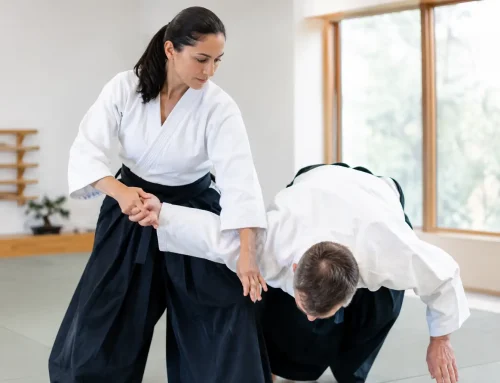
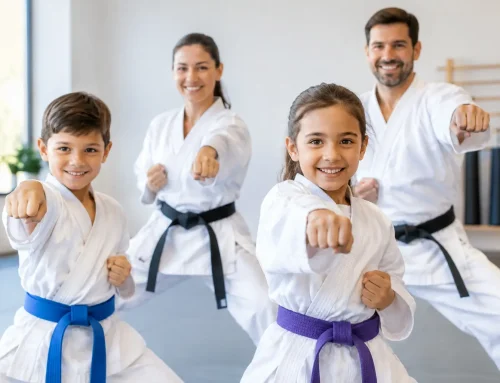
At OC Training Studio, creative training and personal development go hand in hand. Magic can complement the discipline students build through martial arts without requiring them to be competitive, athletic, or experienced. Both paths reward patience, respectful practice, and the courage to keep improving.
Close-up magic reminds students that confidence is not something people either have or lack. It grows through small acts of bravery: showing a trick, speaking clearly, trying again, and seeing someone else smile because of something you created. The best first trick is simply the one a student feels excited to practice and share.