The hours after the final school bell can shape far more than a child’s schedule. They can become a place to release energy, practice courage, make friends, and discover what they are capable of. The best after school enrichment programs do not simply keep children busy until pickup. They give children steady guidance, meaningful challenges, and a sense that they belong.
For many families, the challenge is finding an activity that feels worthwhile without adding pressure to an already full week. A strong program should support the whole child: physical health, emotional resilience, social growth, and the confidence to handle everyday challenges. The right fit depends on your child’s personality, needs, and interests, but a few qualities matter in nearly every case.
What Makes an After-School Program Truly Enriching?
An enriching program has a purpose beyond entertainment. Children should leave with a new skill, a stronger habit, or a better understanding of themselves. That might mean learning how to focus through a martial arts form, speaking clearly while performing a magic routine, or practicing respectful teamwork with classmates.
Structure matters, especially after a long school day. Children benefit from knowing what to expect: a welcoming start, clear instruction, time to practice, and encouragement to improve at their own pace. At the same time, a program should leave room for joy. Growth is most lasting when children are excited to return.
The instructor’s role is just as important as the activity itself. Look for mentors who set kind, consistent expectations and notice effort, not only natural talent. Children thrive when they are challenged without being embarrassed and corrected without being discouraged.
A healthy enrichment environment also makes room for different starting points. Some children arrive ready to lead. Others need time to observe, ask questions, and build trust. A good program meets both children where they are and helps each take a next step forward.
Why Martial Arts Belong Among the Best After School Enrichment Programs
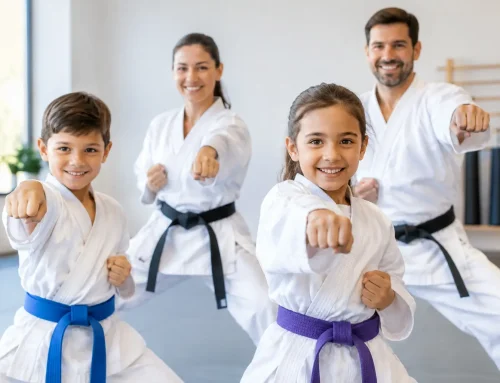
Martial arts can be a powerful choice for children who need movement, structure, and practical confidence in one setting. The goal is not to turn every child into a competitor. It is to help them carry themselves with awareness, self-control, and respect.
In a well-taught martial arts class, children practice listening, following directions, setting goals, and trying again when a technique does not come easily. They learn that strength is not the same as aggression. Real confidence often looks quieter: standing tall, making good choices, and knowing how to ask for help.
This can be especially valuable for families concerned about bullying. Anti-bullying support is more than teaching a physical response. Children need the communication skills to set boundaries, the awareness to recognize unsafe situations, and the self-belief to avoid being pulled into conflict. Practical self-defense training can reinforce those lessons while helping children feel less fearful in their daily lives.
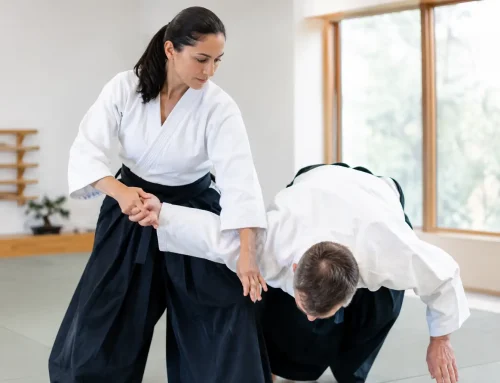
A Shaolin Kempo Karate program can offer variety within a connected system, including techniques and principles influenced by traditions such as Aikido and Jiu-Jitsu. For children, that variety keeps learning engaging while reinforcing core lessons: balance, coordination, discipline, and calm decision-making. Progress is personal. One child may take pride in a stronger stance, while another may celebrate the courage to participate for the first time.
There is a trade-off to consider. Martial arts classes ask children to practice patience and accept coaching, which may feel challenging at first for a child who wants constant free play. Yet that structure is often exactly what helps children develop focus over time. A trial class or observation can help parents see whether the teaching style feels supportive and age-appropriate.
Magic Classes Build a Different Kind of Confidence
Not every child wants an activity centered on kicks, forms, or physical conditioning. For the child who loves stories, surprises, problem-solving, or making people laugh, magic can be a wonderful form of enrichment.
Learning magic is not just learning a trick. It asks children to follow multi-step instructions, use their hands with care, remember a sequence, and practice until the result is ready to share. When they perform for a friend, sibling, or family member, they also gain experience speaking in front of others and recovering gracefully if something goes differently than planned.
Magic encourages creativity because children learn to think about presentation. How will they introduce the effect? What will make their audience curious? How can they turn a mistake into part of the moment? Those are useful skills well beyond performance. They nurture communication, flexibility, and the courage to be seen.
For quieter children, magic can be a gentle bridge into social confidence. The focus is initially on the trick, not on putting the child’s personality under a spotlight. As their skills grow, many children become more comfortable sharing ideas and connecting with peers.
How to Choose the Right Fit for Your Child
Start with the outcome your family hopes to support. If your child needs a positive outlet for energy and a stronger sense of personal safety, a martial arts program may be a natural fit. If they light up when telling stories or showing others something surprising, magic may give them an encouraging place to grow. Some children benefit from both at different times.
Then look beyond the class description. Ask how instructors handle beginners, setbacks, disagreements, and children who need extra reassurance. The answers reveal more about a program’s values than a list of techniques ever could.
When visiting or trying a program, pay attention to these signs:
- Children are spoken to with respect, even when they need correction.
- Expectations are clear, realistic, and appropriate for the group’s age.
- Instructors encourage effort and safety rather than comparison or intimidation.
- Students have opportunities to build skills over time, not just chase quick rewards.
Practical details count, too. A program that is excellent on paper may not work if the schedule creates stress every week. Consider travel time, pickup arrangements, costs, class length, and whether your child has enough downtime between school and the activity. Consistency usually matters more than choosing the most ambitious option.
Affordability should not keep children from receiving positive mentorship and useful instruction. Community-centered programs can make enrichment more accessible for families who want quality experiences without treating growth as a luxury. At OC Training Studio, the nonprofit-minded approach reflects a simple belief: children and families deserve a welcoming place to build confidence, health, and connection.
Make the First Few Weeks About Belonging
Children do not always know right away whether they enjoy a new activity. The first class can feel unfamiliar, particularly for a child who is shy, tired after school, or worried about making mistakes. Instead of asking only, “Did you like it?” try asking what felt easiest, what felt hard, and whether anyone helped them feel welcome.
Give them a little time to settle in, while staying attentive to how the program affects them. A productive challenge can leave a child tired but proud. A poor fit may leave them consistently anxious, dismissed, or uninterested. There is no single best activity for every child, and changing direction is not failure. It is part of learning what helps your child grow.
The most meaningful after-school experiences often become a dependable part of a child’s week: a room where they are known by name, encouraged to keep trying, and reminded that progress belongs to everyone. When a child finds that kind of space, the skills they practice after school can continue showing up long after class ends.