A child who feels isolated at lunch, afraid to ride the bus, or nervous to open a group chat is carrying far more than a typical school-day worry. Bullying can affect confidence, learning, friendships, and a child’s sense of safety. The best ways to prevent bullying are not about teaching children to be tougher or asking them to handle painful situations alone. They are about building confidence, creating clear expectations, and making sure every child has adults and peers who will stand with them.
Prevention works best when families, schools, mentors, and children share the responsibility. Children need practical skills, but they also need environments where speaking up is welcomed, kindness is practiced, and harmful behavior is addressed early.
1. Build confidence without teaching children to fight
Confidence changes how a child carries themselves, communicates, and responds under pressure. It does not guarantee that bullying will never happen, and it should never be presented as a child’s responsibility to stop someone else’s harmful choices. Still, children who know their strengths and trust their ability to seek help often feel less trapped when challenges arise.
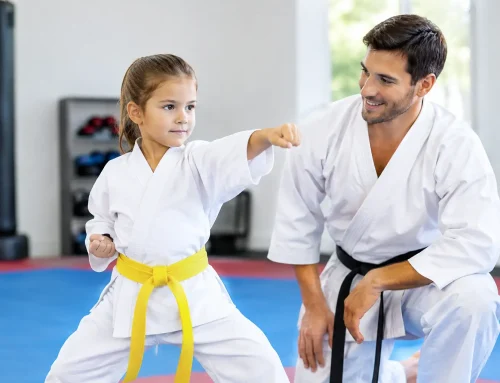
Martial arts can be a meaningful part of this foundation when instruction emphasizes discipline, awareness, respect, and self-control. A child learns to stand with calm posture, use a clear voice, recognize unsafe situations, and set boundaries. Those skills are very different from encouraging aggression.
At OC Training Studio, the goal of martial arts training is personal growth and practical safety, not teaching children to look for a fight. A well-taught program helps students understand that walking away, getting help, and protecting themselves only when necessary are signs of strength. The strongest response is often the one that keeps everyone safer.
2. Teach simple, practiced boundary language
When a child is upset or scared, it can be hard to find the right words. Practicing a few short responses at home gives children something steady to use in the moment. The words do not need to be clever. They need to be clear.
A child might say, “Stop. I don’t like that,” “Don’t touch me,” or “I’m going to get an adult.” Encourage them to use a firm voice, face forward, and move toward a safer space when possible. Role-playing can help, especially when parents take turns being the rude classmate, a bystander, and a trusted adult.
It helps to explain the difference between a one-time conflict and bullying. Conflict is a disagreement between people with relatively equal power. Bullying is repeated or targeted behavior that causes harm, often involving a power imbalance. Both deserve adult guidance, but bullying requires a more direct plan for safety and support.
3. Make reporting easy, specific, and safe
Children sometimes stay quiet because they fear retaliation, worry they will be called a tattletale, or assume adults will not understand. Parents and caregivers can change that message early: reporting unsafe or cruel behavior is not tattling. It is asking for help.
Teach children who they can tell at school, such as a teacher, counselor, coach, administrator, or campus supervisor. They should also know what details are helpful: who was involved, what happened, where it occurred, when it happened, and whether anyone saw it. For online bullying, save screenshots rather than replying in anger or forwarding the content.
Adults should respond calmly when a child reports a problem. Start with, “I’m glad you told me,” rather than immediately asking why they did not stand up for themselves. Then listen for patterns. If the behavior is repeated, document dates, messages, and school communication. A clear record can help schools respond appropriately.
4. Help bystanders become upstanders
Many bullying situations have an audience. A laugh, a repost, or even silent watching can make the person being targeted feel more alone. But bystanders can also become powerful allies when they know safe ways to help.
A child does not need to confront a bully alone. They can sit with the targeted student, invite them into a game or group, tell an adult what they saw, or send a supportive message afterward. If there is immediate danger, getting an adult is the right move.
Parents can talk with children about the influence they have in their friend groups. Ask questions such as, “What would you do if someone was being left out?” or “How could you help without putting yourself at risk?” These conversations build empathy before a child is faced with a difficult moment.
5. Create routines that strengthen connection
Bullying has more room to grow when children feel disconnected. A regular check-in after school can reveal concerns before they become overwhelming. Instead of asking only, “How was your day?” try questions that invite a fuller answer: “Who did you spend time with today?” “What was the hardest part of your day?” or “Did anyone seem left out?”
Connection also grows when children participate in activities where they are known by name and encouraged by caring mentors. Team-based learning, martial arts classes, creative programs, volunteer opportunities, and clubs can all offer a healthier social circle. The right activity is not necessarily the most competitive one. It is the one where a child feels supported, challenged, and included.
For some children, a smaller, structured class is especially helpful. They may need time to practice social skills, learn how to handle frustration, and experience success in a setting that values effort as much as achievement.
6. Set clear expectations for digital behavior
Bullying does not end when the school bell rings. Group chats, gaming platforms, social media, and shared photos can extend conflict into a child’s home. Digital safety is not about monitoring every word forever. It is about giving children age-appropriate guidance and a reliable plan when something goes wrong.
Families should talk openly about what respectful online behavior looks like. That includes not sharing embarrassing photos, not piling onto cruel jokes, and not forwarding private messages. Children should know they can block accounts, leave harmful chats, save evidence, and tell an adult without losing access to every device as punishment.
The response depends on the situation. A rude comment may call for blocking and moving on. Threats, repeated harassment, impersonation, or sexual content require immediate adult involvement and may need to be reported to the school or appropriate authorities. Take every threat seriously, even if someone later claims it was “just a joke.”
7. Expect adults to lead with consistency and care
Children notice whether adults act when rules are broken. A strong anti-bullying culture is not created by a poster on the wall. It is created when adults model respectful communication, follow through on reports, and avoid minimizing cruelty as normal childhood behavior.
Schools and activity leaders need fair, consistent expectations, along with support for every child involved. The child being harmed needs safety and reassurance. The child causing harm also needs accountability, guidance, and help developing healthier ways to manage emotions and relationships. Consequences matter, but lasting change usually requires teaching, supervision, and continued follow-up.
Parents can partner with teachers and instructors without assuming the worst from either side. Begin with the facts, share what your child has reported, and ask what steps will be taken to keep them safe. Set a time to follow up. If the response is not adequate, continue advocating through the appropriate school channels.
When a child is in immediate danger
If bullying includes physical violence, credible threats, stalking, sexual harassment, extortion, or talk of self-harm, treat it as urgent. Stay with the child, contact school leadership or emergency services as appropriate, and seek qualified mental health support when needed. A child should never have to prove that their fear is serious enough to deserve help.
Preventing bullying is not a single lesson or a perfect script. It is a daily practice of teaching courage with compassion, confidence with humility, and safety with connection. When children know they belong to a community that sees them, hears them, and stands beside them, they have a stronger place from which to grow.