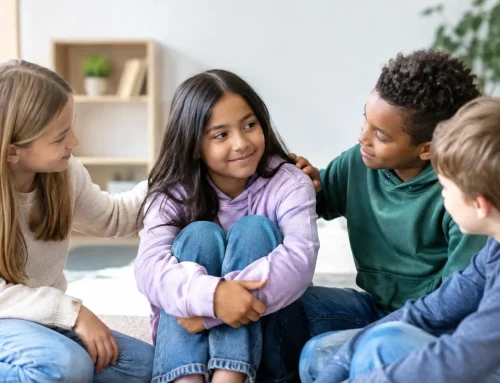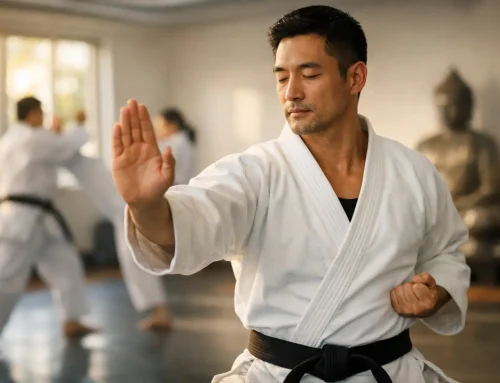
A child who struggles to listen at home may not need another lecture. They may need a place where listening has a purpose, effort is noticed, and progress is earned one small step at a time. Can karate improve behavior? For many children, teens, and adults, it can support meaningful positive change – not through harsh discipline, but through structure, movement, mentorship, and belonging.
Karate is not a quick fix for every behavioral challenge. A few classes will not erase big feelings, developmental differences, stress at school, or conflict at home. Yet a well-led martial arts program can give students practical habits that carry beyond the training floor: pausing before reacting, following through, treating others with respect, and believing they can handle hard moments.
Why Karate Can Improve Behavior
Good behavior is more than being quiet or obedient. It includes self-control, awareness of others, responsibility, resilience, and the ability to recover after a mistake. Karate practice gives those qualities a real-world setting.
Students are asked to arrive ready, listen when instruction is given, take turns, practice safely with partners, and keep trying when a skill feels awkward. These are ordinary expectations, but they are repeated week after week. That repetition matters. A child does not simply hear that respect is valuable. They practice showing respect by greeting instructors and classmates, waiting for a turn, controlling the power of a technique, and helping keep the class safe.
The physical side of training can help, too. Many children have a lot of energy and not enough positive outlets for it. Kicks, stances, drills, balance work, and controlled movement offer a healthy way to release energy while learning to direct it. The goal is not to make children more aggressive. It is to help them recognize that strength and self-control belong together.
Structure creates predictability
Children often do better when they know what is expected. A consistent karate class has a clear rhythm: arrive, prepare, warm up, learn, practice, reflect, and finish. For a student whose school day or home life feels unpredictable, that routine can be grounding.
Clear expectations also reduce the guesswork around behavior. Students learn what safe participation looks like, what happens when they lose focus, and how to reset without shame. The strongest instructors correct behavior calmly and specifically. Rather than labeling a child as disruptive, they can say, “Feet still, eyes forward, then try again.” That approach teaches a skill instead of attaching a negative identity.
Progress makes self-control feel worthwhile
Karate gives students visible evidence that effort leads somewhere. A stance becomes steadier. A form becomes easier to remember. A student who once avoided speaking may volunteer to demonstrate a skill. Belt advancement can be motivating because it recognizes consistency, learning, and character along with technique.
This is especially helpful for children who are used to hearing what they did wrong. In a supportive class, they can experience constructive feedback without feeling defeated. They learn that errors are part of training, not proof that they cannot succeed. Over time, that mindset can show up in homework, friendships, and family responsibilities.
Behavior Changes Families May Notice
Every student is different, and changes are rarely dramatic overnight. Parents may first notice small shifts: a child gets ready for class without as much resistance, remembers to say “yes, sir” or “yes, ma’am,” takes a breath before arguing, or talks more proudly about a goal.
With steady attendance, some families see stronger focus, greater confidence, more respectful communication, and better follow-through at home. A child may begin to understand that being corrected is not the same as being rejected. A teen may discover a healthier response to frustration than shutting down or lashing out. Adults may find that regular training gives them patience and mental space after demanding days.
Still, karate should not be presented as a promise that every child will suddenly become calm, compliant, or socially confident. Temperament, age, sleep, family stress, learning needs, and mental health all affect behavior. The value of karate is that it can become one consistent, positive part of a larger support system.
The Instructor Matters as Much as the Art
Not every martial arts environment will create the same results. A class built around intimidation, humiliation, or constant comparison may make some students anxious or discouraged. Competition can be healthy for certain students, but it should never come at the expense of safety, respect, or connection.
Families should look for instructors who set firm boundaries while treating students with patience. Children need to know that unsafe or disrespectful choices will be addressed. They also need to know they can make a mistake, receive guidance, and remain welcome in the community.
At OC Training Studio, the purpose is larger than teaching techniques. Students are encouraged to build confidence, health, self-defense awareness, and positive relationships in a setting where beginners can grow at their own pace. That kind of mentorship helps martial arts lessons reach beyond class time.
What supportive correction looks like
Effective correction is immediate, calm, and connected to the lesson. If a student is talking during instruction, an instructor may redirect them, ask them to reset their stance, or give them a clear responsibility. If a student becomes frustrated during partner work, they may be taught to step back, breathe, and try the drill more slowly.
The lesson is not “never have feelings.” The lesson is “you can choose what to do with your feelings.” That is a powerful skill for children and adults alike.
How Parents Can Help the Lessons Carry Home
Parents do not need to turn home into a dojo. In fact, too much pressure around belts or performance can take away from the enjoyment that keeps students engaged. A better approach is to be curious and specific.
Ask what your child practiced, what felt challenging, or what they are proud of. Notice effort rather than only results: “I saw you kept trying even when that form was difficult.” When a behavior challenge comes up at home, gently connect it to a class skill. A reminder such as “What helps you reset when a drill is hard?” may work better than repeating a general command to calm down.
Consistency matters more than intensity. One class can create a positive afternoon. Regular practice creates opportunities for habits to take root. This is why choosing a schedule a family can realistically maintain is often more valuable than choosing the most demanding program available.
When Karate Is Not Enough on Its Own
Martial arts can be a valuable support, but it is not a replacement for professional care when a child is experiencing serious emotional distress, persistent aggression, trauma, anxiety, or major difficulties at school or home. Parents should feel comfortable seeking help from pediatricians, counselors, school staff, or other qualified professionals when needed.
The best outcomes often come from teamwork. A caring instructor can reinforce confidence and self-regulation. Parents can provide consistency and encouragement. Teachers and health professionals can offer insight and specialized support. Each person sees a different part of the child’s life.
Karate works best when it is not used as a punishment for “bad behavior.” It should be an invitation to grow. When students feel safe, challenged, and seen, they are more likely to practice the discipline that lasts: using their strength with care, meeting setbacks with courage, and becoming a positive presence in their families and communities.