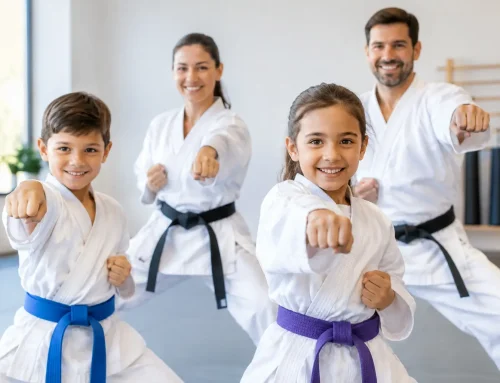
A child who hangs back at school, avoids eye contact, or gives up after one mistake does not need to become the loudest person in the room. They need repeated proof that they can try something hard, learn from it, and keep going. That is where kids karate confidence building can make a meaningful difference. In the right class, confidence is not a speech or a trophy. It is a skill children practice one small win at a time.
Karate gives kids a clear place to stand, a healthy way to move, and a supportive group that notices their effort. For many families, those simple experiences become a turning point. A child begins class unsure of themselves, then gradually learns to speak with a stronger voice, work through frustration, and trust their own ability to grow.
Why Kids Karate Confidence Building Works
Confidence often looks like a personality trait from the outside, but children build it through experience. They need opportunities to face manageable challenges and see that their actions matter. Learning a stance, remembering a sequence, or practicing a partner drill gives a child a real task with a real result.
Karate is especially helpful because progress is visible. A child may not master a skill on the first attempt, but they can feel their posture improve, notice that a movement becomes smoother, or recognize that they stayed focused longer than they did last week. Those moments help replace “I can’t do this” with “I’m still learning this.”
The structure matters, too. Class routines create a reassuring rhythm: arrive, warm up, listen, practice, encourage classmates, and finish with respect. Children who feel uncertain in less predictable settings often benefit from knowing what comes next. With time, the routine becomes a safe place to take healthy risks.
Confidence Is More Than Belt Rank
Belts can be exciting milestones, and earned recognition gives children a reason to feel proud. Still, lasting confidence should not depend only on the next rank. A child can have an excellent day in class even if they are not testing soon.
The deeper victories are often quieter. They may volunteer to demonstrate a movement, ask for help instead of shutting down, return after a difficult class, or encourage a newer student. These are signs that karate is supporting the child as a whole person, not simply teaching techniques.
A thoughtful instructor helps children notice those wins. Specific feedback such as “You stayed with that combination even when it felt confusing” carries more weight than a vague “Good job.” It tells a child what they did well and shows them how to repeat it.
The Habits Children Carry Beyond the Mat
The confidence developed in a martial arts class can reach into school, friendships, and family life. Children do not suddenly become fearless, nor should that be the goal. Instead, they gain tools for responding when they feel nervous, embarrassed, frustrated, or pressured.
Karate practice teaches children to pause, listen, and make purposeful choices. When a drill does not go as planned, they learn to reset their stance and try again. That same habit can help with a tough homework assignment, a disagreement with a friend, or the anxiety of raising a hand in class.
Respect is another important part of the lesson. Children learn to treat instructors and classmates with care, but they also learn that they deserve respect themselves. This is valuable for children navigating teasing, exclusion, or bullying. A confident child is not necessarily confrontational. Often, confidence means using a calm voice, setting a boundary, stepping away when appropriate, and asking a trusted adult for help.
Physical awareness supports that emotional growth. Better balance, coordination, and posture can change how a child feels in their body. Standing tall is not a complete answer to every social challenge, but body language can reinforce a growing sense of self-worth. Children begin to understand that they are capable, present, and allowed to take up space.
What a Supportive Karate Class Looks Like
Not every martial arts environment builds confidence in the same way. Some children thrive in highly competitive settings, while others need a gentler introduction before competition feels motivating rather than overwhelming. Families should look for a program where the teaching style fits the child in front of them.
A confidence-centered class has clear expectations without relying on shame. Students are corrected with patience. Beginners are welcomed. Questions are treated as part of learning, not as interruptions. Children are encouraged to improve their own skills rather than measure their worth against the fastest or most athletic student in the room.
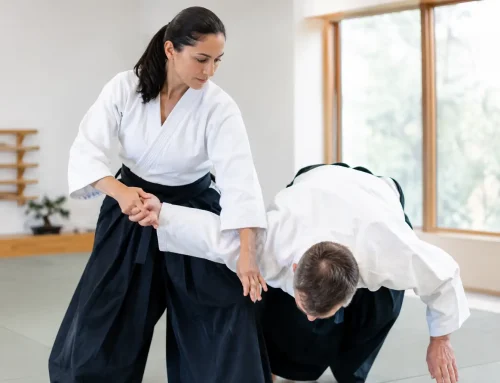
Safety is essential. Partner work should be age-appropriate, supervised, and built around control. Children can learn practical self-defense principles while understanding that martial arts are not about starting fights or proving toughness. The goal is awareness, discipline, and the ability to make safer choices.
At OC Training Studio, that kind of growth is part of the larger mission: helping people become well-rounded, capable members of their community. Shaolin Kempo Karate training can introduce children to striking, movement, self-defense concepts, and elements of grappling within one connected system, while keeping personal development at the center of the experience.
Signs Your Child Is Growing in Confidence
Progress will not always be dramatic. Some children become more talkative right away, while others show confidence through steady participation before they ever want attention. Watch for small shifts over several weeks or months.
Your child may begin getting ready for class without reminders, practice a movement at home, or explain a lesson to a sibling. They may recover faster after making a mistake. They may also become more willing to greet others, make eye contact, or speak clearly when they need something. These changes can be just as meaningful as a new belt.
It also helps to remember that confidence is not linear. A child may feel proud one week and unusually hesitant the next, especially during a new school year, a family change, or a challenging phase of training. The most helpful response is usually consistency. Keep showing up, keep recognizing effort, and give them room to grow at their own pace.
How Parents Can Reinforce Karate Lessons at Home
Parents do not need martial arts experience to support what happens in class. The strongest encouragement is often simple and specific. Instead of asking only, “Did you win?” or “Were you the best?” try asking what felt challenging, what they practiced, or what they are proud of.
Praise effort, courage, and follow-through. A child who admits they were nervous but participated anyway has done something worth celebrating. When they are frustrated, resist the urge to immediately solve the problem for them. You can acknowledge the feeling while reminding them of a time they practiced through difficulty before.
It is also helpful to avoid making class another pressure point. Encourage attendance and respectful effort, but let karate remain a place where your child can learn rather than perform for approval. Confidence grows more reliably when children know they are valued before they get everything right.
If your child is shy, anxious, or reluctant to start, a gradual approach may work best. Let them observe a class, meet the instructor, or try an introductory session. If they are highly energetic, look for a class that channels energy through clear structure rather than expecting them to sit still for long periods. The right fit depends on the child’s temperament, age, and current needs.
Confidence That Has Room to Grow
The best outcome of karate is not that a child believes they will always win. It is that they learn they can meet challenges with steadiness, respect, and courage. They can be a beginner. They can make mistakes. They can ask for help and try again.
That is the kind of confidence that lasts long after class ends: not a performance of toughness, but a quiet belief that growth is possible and that they do not have to face it alone.