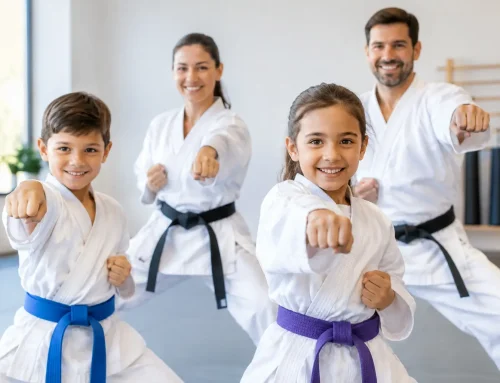
A karate school trial review should be about more than whether your child comes home smiling and tired – although both are wonderful signs. A trial class gives families a chance to see how instructors guide beginners, how students treat one another, and whether the program builds the kind of confidence that carries into school, home, and everyday life.
For adults, the same idea applies. The right first class should feel challenging without being intimidating, structured without being rigid, and welcoming without making promises it cannot keep. You are not looking for the flashiest room or the loudest workout. You are looking for a place where growth is taken seriously.
What a Karate School Trial Review Should Measure
A first visit can be exciting, especially when a child puts on a uniform, learns a stance, or practices a new technique. But a useful review looks beyond the novelty. Pay attention to what happens when a student gets confused, makes a mistake, or needs extra encouragement. Those moments reveal the culture of a school far more clearly than a perfectly executed kick.
A quality karate trial should show that safety and learning come first. Beginners should receive clear instructions, age-appropriate challenges, and room to ask questions. Instructors should correct students with respect, explaining how to improve rather than simply telling them they did something wrong.
This matters because martial arts are not only physical. Students are learning how to listen, manage frustration, work with partners, and keep trying when a skill takes time. A school that recognizes those lessons can help children and adults become stronger in ways that are not measured by a belt color alone.
Watch How the Instructor Leads the Room
The instructor sets the emotional temperature of every class. During a trial, notice whether directions are easy to understand and whether the pace gives new students a real chance to follow along. A strong teacher can maintain order while still making a nervous beginner feel seen.
For younger students, warmth and structure should work together. Children need clear boundaries, but they also need to know that learning is safe. If a child loses focus, an instructor should redirect them constructively. If they struggle with a movement, the teacher should offer a simpler starting point or a patient demonstration.
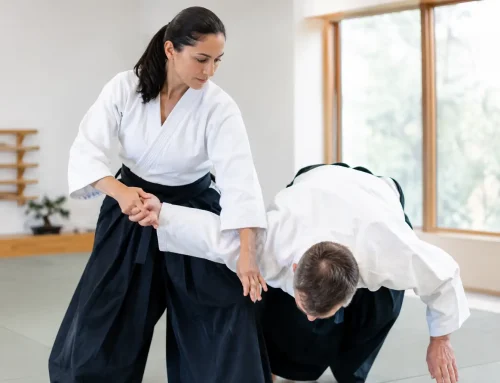
Adults benefit from the same thoughtful coaching. A good instructor will not assume that every new student has the same fitness level, flexibility, or background. They should offer modifications when needed and encourage proper form over trying to look advanced on day one.
It is also worth noticing how the instructor speaks about martial arts. Is every lesson framed around winning and being tougher than everyone else? Or does the teaching include respect, awareness, self-control, and responsibility? Competition can be healthy for some students, but it should not be the only definition of success.
Look for Practical, Controlled Training
Karate should teach skills students can use responsibly. That includes balance, coordination, focus, and practical self-defense awareness, not just memorizing movements. In a beginner-friendly class, techniques should be taught with control and clear expectations about personal space.
Partner work can be especially revealing. Students should be supervised, taught how to practice safely, and reminded that training partners are there to help each other learn. A child should never feel pressured to use more force than they understand or can safely manage.
For families seeking anti-bullying support, listen for lessons about confidence and choices. Good martial arts instruction does not encourage children to fight their way out of conflict. It helps them stand taller, use their voice, recognize unsafe situations, and understand that self-defense begins with awareness and prevention.
Notice the Students, Not Just the Lesson Plan
A school can have polished signage and impressive equipment, but the student experience tells the deeper story. Observe how returning students respond to newcomers. Do they offer a helpful example? Do older or more experienced students show patience? Is there a feeling that people want each other to improve?
No class will be perfectly quiet or perfectly synchronized, particularly when children are involved. That is not the goal. What matters is whether the group feels respectful and connected. A healthy training community has room for different personalities, ability levels, and learning styles.
Parents may also want to notice whether students look afraid to make mistakes. Martial arts ask people to try unfamiliar movements in front of others, which can feel vulnerable. The best schools create an atmosphere where effort is respected and progress is celebrated.
At OC Training Studio, that sense of belonging is part of the purpose. Training is meant to support well-rounded people – children, teens, and adults who want greater confidence, healthier habits, practical skills, and a community that encourages them.
Questions to Ask After the Trial Class
The ride home is often the best time to learn what a child really thought. Rather than asking only, “Did you like it?” try asking what felt easy, what felt challenging, and whether they felt comfortable asking for help. Their answers may be more useful than an immediate yes or no.
Parents should also consider whether the class fits the family’s real schedule and budget. A program can be excellent, but it must be sustainable enough for a student to benefit from regular attendance. Ask about class frequency, payment options, attendance expectations, and how the school handles missed classes before making a commitment.
For adult students, think about the reason you came in. Perhaps you want a supportive path back to fitness, stress relief, self-defense knowledge, or a new discipline that keeps you accountable. A trial class does not need to answer every question, but it should give you confidence that the next class is worth attending.
Here are four questions that can help make the decision clearer:
- Did the instructor make the new student feel welcome and capable?
- Was the training organized, safe, and appropriate for the student’s age or experience?
- Did the class teach respect and self-control alongside physical technique?
- Can our family realistically participate consistently enough to build progress?
Be Careful With First-Impression Traps
A trial class is valuable, but it is still only one class. A very energetic child may love the excitement of a first visit and resist returning once the work becomes more repetitive. Another child may seem shy at first, then become deeply engaged after a few weeks of familiarity. Give personality and adjustment time some consideration.
Likewise, a difficult workout is not automatically a sign of quality, and an easy first class is not automatically a problem. Beginners need an accessible entry point. The better question is whether the school has a clear path for gradual progress.
Be cautious if a program relies heavily on pressure to enroll immediately, dismisses your questions, or treats every student as though they need the same training plan. Families deserve enough information to make a comfortable choice. A mission-driven school should be ready to explain how its program supports students, not simply sell the next package.
The Best Trial Leaves Room to Grow
The right karate school may not feel like a movie scene. It may look like an instructor patiently adjusting a stance, classmates offering encouragement, and a student realizing they can do something that felt impossible fifteen minutes earlier. Those small moments are where confidence begins.
Choose the program that helps your family feel supported enough to return, challenged enough to keep growing, and respected enough to belong. A trial class is only the first step, but it can be the beginning of a healthier, more confident chapter.