A child who walks into school with their shoulders up instead of their eyes down has already learned something powerful. An adult who notices a situation feels wrong and chooses a safer route has, too. Self defense is not about looking for a fight or proving who is strongest. It is about building the awareness, confidence, and calm judgment to protect your well-being and make better choices under pressure.
For families, teens, and adults, that lesson reaches far beyond a training mat. It can shape how someone responds to bullying, handles stress, sets boundaries, and carries themselves through daily life.
Self Defense Starts Before Physical Contact
The most useful self defense skill is often avoiding a dangerous situation altogether. That does not mean living in fear or assuming the worst about everyone. It means paying attention, trusting your instincts, and giving yourself permission to leave when something does not feel right.
Awareness can be practiced in ordinary moments. When walking to a car, it means looking up instead of focusing only on a phone. In a new social setting, it means knowing where the exits are and staying connected to trusted friends. For children, it can mean recognizing when a game has crossed a line and knowing which adult to tell.
These habits may sound simple, but they build a foundation of personal safety. A person who notices their environment has more choices than someone who is caught completely off guard.
Boundaries Are a Safety Skill
Clear words can be just as valuable as physical techniques. Saying “Stop,” “Back up,” or “I need help” in a steady, audible voice can draw attention, establish a boundary, and create an opening to get away.
Many people, especially children and teens, worry that speaking up will seem rude. Good self defense training helps replace that fear with a healthier understanding: being respectful does not require accepting behavior that feels unsafe, threatening, or inappropriate. You are allowed to protect your space.
For parents, this is an especially meaningful conversation. Encourage children to practice using their voice at home, not in a frightening way, but as a normal part of communicating needs. Confidence is easier to access in a stressful moment when it has been practiced in a safe one.
Why Self Defense Training Builds More Than Safety
Physical skills matter, but the lasting value of training is often found in the qualities that develop alongside them. Students learn to listen, follow through, manage frustration, and keep going when a skill does not work on the first try.
A beginner may feel awkward learning stance, balance, movement, and coordinated technique. Over time, that same student sees real progress. They stand more comfortably, move with greater control, and understand that improvement comes through consistent effort. That experience can be deeply encouraging for a child who has been picked on, a teen navigating social pressure, or an adult returning to exercise after a long break.
Training also gives people a healthy relationship with strength. Strength is not about intimidation. It is the ability to remain steady, use good judgment, and take action when action is needed. It includes emotional strength, too: pausing before reacting, accepting correction, and asking for help when a situation is bigger than you can handle alone.
What a Supportive Class Should Teach
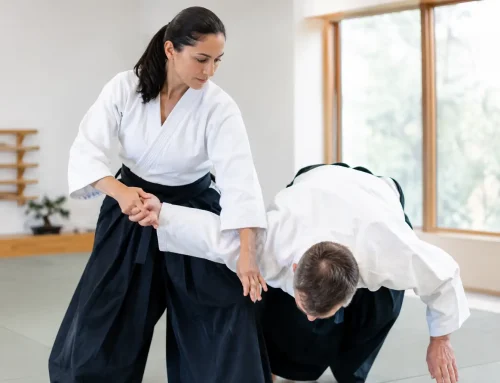
Not every class environment feels the same, and choosing the right one matters. A supportive self defense program should welcome beginners without making them feel behind. It should teach practical skills responsibly, with clear attention to safety, control, and respect for training partners.
Students benefit when instruction includes both physical and decision-making skills. Physical practice can improve balance, coordination, posture, distance awareness, and the ability to move with purpose. Just as important, students should learn when not to engage, how to de-escalate conflict when possible, and why getting to safety is the goal.
A healthy program does not promise that any technique will work perfectly in every situation. Real life is unpredictable. Size, surroundings, surprise, stress, and the actions of another person all affect what happens. The purpose of training is to improve options and preparedness, not to offer a false guarantee.
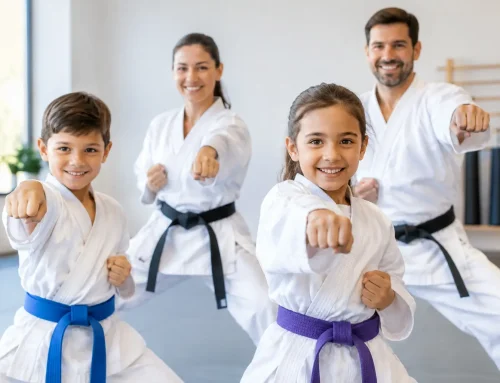
For younger students, the best instruction also makes room for character development. Respect, discipline, kindness, and accountability should be part of the lesson, not an afterthought. When children train in a positive group, they can develop social confidence alongside physical ability.
Practice Creates Calm Under Pressure
Stress changes how the body responds. People may freeze, rush, lose balance, or struggle to remember what they intended to do. Repetition in a controlled class setting helps make helpful movements and choices feel more familiar.
That does not mean training removes fear. Fear is a normal signal that deserves attention. The goal is to avoid letting panic make every decision. Through guided practice, students can learn to breathe, create space, use their voice, and focus on the next safe step rather than trying to solve everything at once.
This is one reason a consistent class can be more valuable than a single workshop. A workshop may introduce useful ideas, while ongoing training gives students time to build comfort, muscle memory, and trust in themselves.
Choosing Goals That Fit Your Family
The right reason to begin looks different for everyone. One parent may want their child to feel more confident after bullying concerns. Another family may be looking for a structured activity that supports focus and positive friendships. An adult may want practical safety skills, better fitness, or a welcoming way to reduce stress.
Start with the outcome that matters most, then look for a program that supports the whole person. Ask whether instructors are patient with beginners, whether students are taught to use control, and whether the culture feels encouraging rather than aggressive. Watch how experienced students treat new ones. A strong community makes room for questions and celebrates effort, not just natural athletic ability.
At OC Training Studio, martial arts training is designed to support personal growth alongside practical self-protection. Students can learn within a community that values safety, mentorship, and the belief that everyone deserves an opportunity to grow.
Bringing the Lessons Home
Training has the greatest impact when its lessons become part of everyday life. Families can reinforce awareness without making children anxious. Talk through simple plans: who to contact in an emergency, where to go if separated in a public place, and which trusted adults are available at school, activities, or in the neighborhood.
It also helps to model calm boundaries at home. Adults can show children that it is possible to say no kindly, step away from arguments, and apologize after reacting poorly. These are not small lessons. They teach young people that confidence and compassion can exist together.
For teens, honest conversations are essential. Discuss peer pressure, online interactions, parties, rides home, and the importance of having a plan to leave an uncomfortable situation. The goal is not control. It is helping them know that they can call for support and make choices that protect their future.
Self defense is most meaningful when it helps people feel more capable without becoming less open-hearted. Every class, conversation, and moment of practice can be a reminder that safety, confidence, and belonging are skills worth building together.