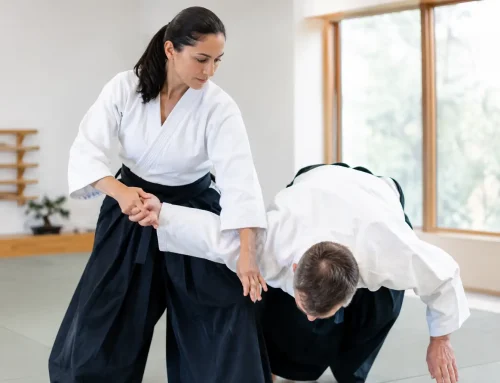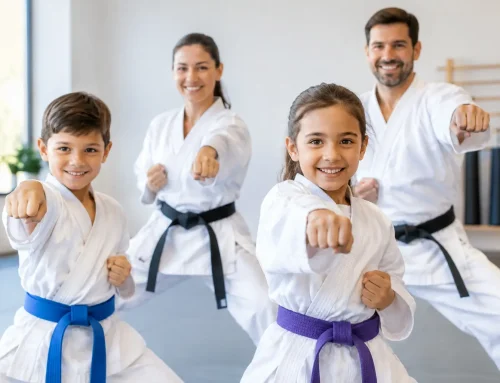
A child standing at the edge of the mat, trying a new movement for the third time after getting it wrong twice, is practicing something bigger than a technique. They are learning how to stay with a challenge. That is the heart of how to teach kids self discipline: not demanding perfect behavior, but helping them build the ability to pause, choose, try again, and follow through.
Self-discipline is often mistaken for obedience. Obedience can happen because an adult is watching. Self-discipline grows when a child starts making thoughtful choices even when no one is reminding them. It takes time, connection, and plenty of patient practice.
What self-discipline looks like for kids
For children, self-discipline is age-appropriate. A preschooler may practice putting toys away after playtime or waiting briefly for a turn. An elementary-aged child may pack a school bag, finish one small responsibility before screen time, or use words instead of yelling when frustrated. Teens may practice managing homework, commitments, emotions, and independence.
The goal is not to create a child who never feels upset, restless, or resistant. Those feelings are normal. The goal is to help them recognize the feeling and choose what to do next.
A child who says, “I’m mad, but I’m going to take a breath,” is showing self-discipline. So is a child who returns to a difficult homework problem, accepts a correction without giving up, or remembers to practice a skill because it matters to them.
Start with connection before correction
Children learn best from adults who make them feel safe, seen, and capable. Before correcting behavior, get close enough to understand what is happening. Is your child tired, hungry, overwhelmed, embarrassed, or simply testing a boundary? The answer does not erase the expectation, but it changes how you guide them.
Instead of calling across the room, “Stop it right now,” try a calm, direct approach: “I can see you are frustrated. Hitting is not okay. I’m here. Let’s get your hands safe, then we can talk.” This sets a firm limit while showing the child that a hard moment does not make them bad.
Connection is not the same as giving in. It means your child can count on you to be steady. That steadiness gives them a model for managing themselves.
Teach kids self discipline through small routines
Big speeches rarely build habits. Repeated, manageable routines do. A predictable morning, after-school, or bedtime rhythm reduces the number of decisions a child has to make when they are rushed or tired.
Choose one routine that matters most to your family right now. It might be placing shoes by the door, clearing a plate after meals, laying out clothes for tomorrow, or spending ten minutes on a reading or practice goal. Make the expectation visible and specific. “Get ready” is broad. “Brush teeth, put pajamas in the hamper, and choose one book” gives a child a clear path.
At first, work alongside them. You might say, “I’ll start the timer, and we can put these blocks away together.” Over time, step back: “What comes next on your bedtime routine?” Support should gradually become independence.
Consistency matters more than intensity. A two-minute habit practiced most days will do more than a complicated system that disappears after a week.
Make expectations realistic
A routine should stretch a child without setting them up to fail. A six-year-old may need reminders and help organizing a backpack. A teen may be ready to own that responsibility, but still need a consistent check-in during a busy season.
If a child repeatedly cannot complete a task, make it smaller. Rather than insisting they clean an entire room, ask them to put away ten items or clear one section of the floor. Success creates momentum. Once the habit is reliable, add the next step.
Give choices inside clear boundaries
Children need opportunities to make decisions. Choice builds ownership, and ownership makes discipline more likely to last. The key is offering choices that work for the family rather than opening every rule for negotiation.
You can say, “Homework happens before video games. Would you rather start at the kitchen table or the desk?” Or, “It’s time to get ready for class. Do you want to pack your water bottle first or find your shoes first?” The boundary stays firm, but the child has a meaningful role in the process.
Too many choices can overwhelm younger children, especially during emotional moments. Offer two good options, then calmly follow through. If they refuse both, keep the limit simple: “You can choose, or I will choose for now.”
Let consequences teach without shame
Consequences are most helpful when they are connected, calm, and respectful. If a child leaves a bike in the driveway, the bike may need to stay put for the rest of the day. If they use a device carelessly, access may pause until they show they can use it responsibly.
Avoid consequences designed to embarrass, frighten, or make a child feel hopeless. Shame may create quick compliance, but it does not teach the skill a child needs for the next situation. A better approach is to name what happened, hold the boundary, and invite repair.
For example: “You threw the game when you were angry. The game is taking a break. When you are calm, you can help pick up the pieces and decide what you can do next time.” This helps the child connect actions, outcomes, and responsibility.
Practice emotional discipline, not just task discipline
A child cannot always control their first feeling. They can learn what to do with it. This is especially valuable for children who struggle with anger, anxiety, impulsivity, or disappointment.
Give emotions simple names: frustrated, worried, left out, disappointed, excited. Then practice a few calming actions when everyone is already calm. Slow breathing, getting a drink of water, stepping aside for a moment, counting to ten, or using a respectful phrase such as “I need help” can become tools a child reaches for under pressure.
Martial arts practice can be a powerful setting for this learning. A student may need to listen carefully, wait for instruction, respect personal space, respond safely, and keep trying after a mistake. They also learn that strength includes control. The same principle applies in creative activities such as magic, where patience, preparation, and repeated practice turn a simple trick into a confident performance.
At OC Training Studio, students are encouraged to grow at their own pace while learning that focus, respect, and perseverance are skills they can carry into school, friendships, and home life.
Be the example your child can copy
Children notice how adults handle inconvenience far more than they remember lectures about behavior. When you take a breath before responding, apologize after speaking sharply, finish a commitment, or put your phone away during a conversation, you show what self-discipline looks like in real life.
You do not need to perform perfection. In fact, letting children see repair is valuable. Try saying, “I was frustrated and raised my voice. That was not how I want to handle it. I’m sorry. I’m going to take a moment and try again.” This teaches accountability without fear.
Praise effort, strategy, and follow-through
Praise can help children notice the behaviors they want to repeat. Instead of a broad “Good job,” point to what they did: “You wanted to quit, but you took a break and came back.” “You remembered your responsibility without being asked.” “You were disappointed, and you still congratulated your friend.”
This kind of encouragement builds an inner voice that recognizes growth. Be careful not to make every responsible action depend on a reward. Stickers, privileges, and celebrations can help launch a new habit, especially for younger kids. But the deeper message should be, “You can do hard things, and your choices matter.”
Expect setbacks and keep the door open
Self-discipline is not a straight line. Children will forget, argue, test limits, and have difficult days. So will adults. A setback is not proof that the routine failed or that your child lacks character. It is information about where they still need practice, support, sleep, structure, or a clearer expectation.
When a child slips, avoid turning one moment into a label. Replace “You are so irresponsible” with “You forgot your responsibility today. What will help you remember tomorrow?” The first statement can make a child feel stuck. The second invites them into problem-solving.
The most meaningful progress often looks quiet: a child taking one breath before reacting, putting away one item without a reminder, or returning to a task they once avoided. Notice those moments. With patient guidance and a supportive community around them, children learn that discipline is not a punishment. It is a form of self-respect that helps them become capable, confident, and ready for what comes next.