A child walks home with a little more confidence. An adult notices the person standing too close and creates space before a situation grows uncomfortable. A teen speaks up clearly, leaves with friends, and asks for help early. These are meaningful outcomes, and they get to the heart of the question: do self defense classes work?
They can – when the class teaches more than a handful of moves. Effective self-defense training builds awareness, decision-making, physical skills, and the confidence to use a voice or leave when leaving is possible. It does not promise that anyone can control every dangerous situation. What it can do is help people recognize choices, practice them under guidance, and feel less frozen when stress rises.
For families and beginners, that difference matters. Self-defense is not about teaching someone to look for a fight. It is about helping them protect their safety, boundaries, and peace of mind.
Do Self Defense Classes Work in Real Life?
The honest answer is: it depends on what is taught, how it is practiced, and what a student is willing to carry into everyday life. A class built around unrealistic attacks, complicated choreography, or winning at all costs may look impressive without preparing someone for the confusion of a real encounter.
A strong program teaches practical habits alongside physical techniques. Students learn to pay attention to their surroundings, trust early warning signs, use clear verbal boundaries, move toward safer spaces, and seek help. They also learn that escape is usually the goal. The best outcome is not proving who is tougher. The best outcome is getting home safely.
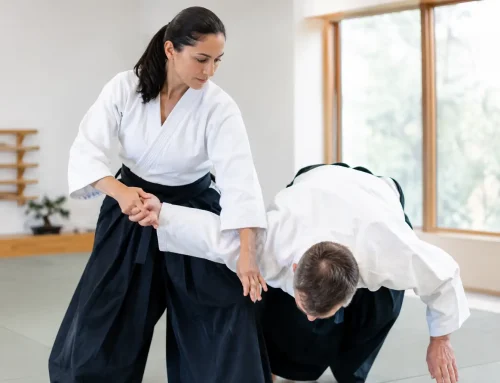
Physical practice still matters. Under pressure, people do not always perform a new skill perfectly. Repetition helps simple actions become more familiar: maintaining balance, protecting the head, creating distance, breaking free from common holds, and getting back up after a fall. Training gives the body a reference point and gives the mind a plan.
That plan can reduce panic. It cannot eliminate fear, nor should it. Fear is a normal protective response. But a student who has practiced breathing, moving, speaking, and making a decision may be better able to act through fear than someone who has never considered what to do.
What Makes Self-Defense Training Effective?
The most useful classes meet students where they are. A parent enrolling a shy eight-year-old, a college student wanting more confidence, and an adult returning to exercise after years away do not need the exact same approach. They do need respectful instruction, realistic goals, and skills that grow over time.
Awareness Comes Before a Technique
Many preventable problems are not solved with a punch or a throw. They are solved by noticing discomfort early, choosing a different route, staying connected to friends, declining an invitation that feels wrong, or moving closer to other people. Awareness is not about living in fear or assuming the worst about strangers. It is about giving yourself permission to notice what feels off and respond before a situation becomes more difficult.
For children, this may mean understanding safe adults, practicing what to say when someone asks them to keep an uncomfortable secret, and knowing how to get a parent, teacher, or trusted adult involved. For teens, it can include social pressure, online communication, parties, and the value of leaving together. For adults, it may include workplace boundaries, parking-lot awareness, and listening to intuition without embarrassment.
Simple Skills Are More Reliable Than Fancy Ones
In a stressful moment, complicated sequences are harder to remember. Useful training favors clear, repeatable actions that work with natural body movement. Students should practice creating space, using their voice, protecting themselves, moving toward an exit, and escaping common grabs when escape is needed.
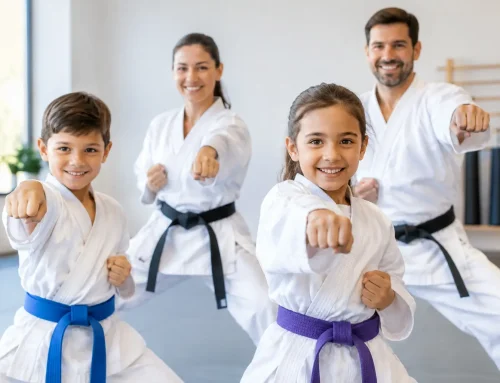
This is also why consistent martial arts training can be so valuable. Over time, students improve balance, coordination, posture, distance management, and the ability to stay composed while another person is moving. A well-rounded martial arts program can build these qualities gradually instead of expecting a single workshop to create instant confidence.
Pressure Should Be Introduced Carefully
A class does not need to frighten students to prepare them. In fact, overwhelming beginners can make them shut down or decide that training is not for them. Good instructors create a supportive environment, then gradually add realistic elements such as verbal pressure, movement, limited space, or timed decisions.
This progression helps students discover how they respond when their heart rate rises. They can make mistakes safely, receive coaching, and try again. That experience is one reason in-person instruction is so valuable: an experienced teacher can adjust a drill for age, ability, confidence level, and physical limitations.
Confidence Must Be Grounded in Judgment
Self-defense training should make people more capable, not reckless. A student who feels stronger may be tempted to believe they can handle any situation alone. Responsible instruction teaches the opposite: physical skills are one layer of safety, not a reason to take unnecessary risks.
The goal is calm confidence. It is the confidence to say no, to walk away without needing to explain, to call for help, and to use physical defense only when there is no safer option. That is a healthier kind of empowerment, especially for young people learning how to handle conflict.
Self-Defense and Bullying Are Related, but Not Identical
Parents often look for self-defense classes because their child is being bullied or seems vulnerable socially. Training can help. Martial arts often improves posture, self-control, assertive communication, and the willingness to seek help. Children who feel more secure may be less likely to react impulsively or be drawn into escalating conflict.
Still, bullying needs a broader response than physical training alone. Schools, families, and trusted adults should address patterns of harassment, exclusion, intimidation, or online cruelty. A child should never feel responsible for solving ongoing bullying by fighting. Their training can help them set boundaries and protect themselves if immediate safety is at risk, while adults work to stop the behavior and support the child.
The right class reinforces this message clearly. Respect, restraint, and accountability belong beside confidence and technique.
What a Beginner Should Look For in a Class
Before joining, observe the culture. Are beginners welcomed? Are students treated with patience? Do instructors explain why a skill matters, not just demand that everyone copy a movement? A safe, encouraging room is especially important for people who have experienced bullying, trauma, anxiety, or a past situation that made them feel powerless.
Ask whether the program includes verbal boundaries, situational awareness, and escape-focused training. Find out how instructors keep drills age-appropriate and how they handle contact. For children, look for a program that teaches discipline and confidence without shaming mistakes. For adults, look for coaching that respects different fitness levels and does not pressure anyone to train beyond their comfort level.
Consistency is usually more valuable than intensity. A single seminar can introduce useful ideas, but regular classes give students time to build muscle memory, fitness, resilience, and a relationship with supportive mentors. Progress may show up quietly at first: better posture, clearer eye contact, a willingness to try, or a calmer response to frustration.
The Lasting Benefit Is More Than Physical
People often begin self-defense training because they want to feel safer. Many stay because they feel stronger in everyday life. They gain a routine, positive peers, patient guidance, and proof that growth is possible through practice. Children learn that discipline can be encouraging. Teens discover a place where they can belong without needing to perform. Adults reconnect with their own capability.
At OC Training Studio, that kind of growth is part of the purpose: helping people become more confident, healthy, and connected while learning practical skills in a supportive community.
Self-defense classes work best when they give people permission to protect their boundaries, practice realistic choices, and keep growing at their own pace. The most powerful skill may not be a technique at all. It may be the steady belief that you deserve safety, support, and a way forward.