A late walk to the car, an uncomfortable conversation, a new dating situation, or a child heading toward more independence can bring up the same question: What can I do if something does not feel right? Women personal safety training gives people a practical place to work through that question without fear, shame, or pressure to become a fighter.
The goal is not to live on alert every moment of the day. It is to build habits that help you notice options, set clear boundaries, and act with greater confidence when a situation calls for it. Good training is calm, realistic, and encouraging. It reminds women and girls that personal safety is not about blaming someone for another person’s choices. It is about gaining useful skills, support, and peace of mind.
What women personal safety training should teach
A meaningful class goes beyond memorizing a few moves. Physical techniques matter, especially when they are simple enough to remember under stress, but they are only one part of personal safety. The strongest programs bring together awareness, communication, movement, and decision-making.
Awareness begins with paying attention to surroundings without becoming anxious. That may mean choosing a well-lit route, keeping your phone accessible rather than buried in a bag, noticing exits in an unfamiliar place, or recognizing when someone is ignoring a boundary. These choices are not guarantees, and responsibility for harmful behavior always belongs to the person causing harm. Still, awareness can create valuable time and space to make a decision.
Boundary-setting is another essential skill. Many people have been taught to be polite even when they feel uneasy. Training gives participants permission to be direct. A clear, firm voice can communicate, “Stop,” “Back up,” or “I said no.” Practicing those words in a supportive setting helps them feel more natural when they are needed.
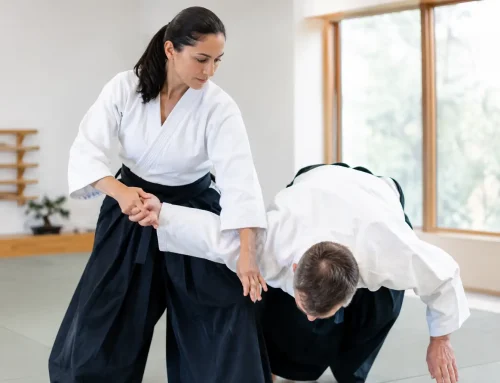
Then comes physical response. Effective self-defense is usually straightforward: create distance, break free from a grab, protect vulnerable areas, use your voice, and move toward safety. The purpose is not to win an argument or stay in a dangerous encounter longer than necessary. It is to make an opportunity to leave and get help.
Confidence comes from practice, not fear
Watching a self-defense video can offer an idea, but it cannot replace supervised practice. Under stress, people may freeze, speak quietly, or forget a complicated sequence. In-person women personal safety training gives participants a chance to repeat skills, ask questions, and learn how their bodies respond to pressure in a controlled environment.
That repetition changes the feeling of a skill. A student who has practiced stepping back, using a strong voice, and releasing a wrist grab with a partner is more likely to recognize that she has choices. She does not need to be the strongest person in the room. She needs a response that is practical, legal, and possible for her body.
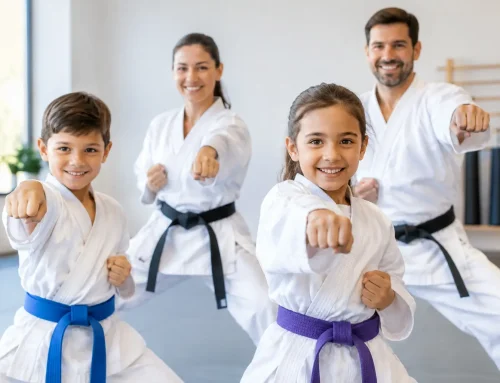
A supportive class also makes room for different comfort levels. Some participants arrive after a frightening experience. Others are preparing for college, travel, a new job, or more independent routines. Some want to improve confidence alongside their daughters. A good instructor does not assume everyone has the same history, fitness level, or goals.
The skills that matter outside the training floor
Personal safety often begins long before physical contact. That is why training should include realistic conversations about everyday situations, not just dramatic scenarios. For example, a student may need to decline a ride, leave a gathering that feels uncomfortable, respond when someone stands too close, or ask a friend for help without worrying about seeming rude.
A useful class can help participants practice four connected actions:
- Notice discomfort early instead of talking themselves out of it.
- Use clear verbal boundaries and a confident posture.
- Create distance and leave when a situation continues to feel unsafe.
- Reach out to trusted people, emergency services, or community resources when help is needed.
These skills are valuable because safety is rarely one single decision. It is often a series of small choices. A person may first change seats, then text a friend, then leave with someone she trusts. Training helps people see those choices as strengths, not overreactions.
There is also an emotional side to practice. Learning to speak loudly, make eye contact, or move with purpose can feel unfamiliar at first. In a respectful group setting, participants can build those abilities without being judged. The result is often broader than self-defense. Students may carry stronger communication, posture, and self-trust into school, work, relationships, and family life.
What physical self-defense can and cannot do
Honest instruction includes nuance. No technique works perfectly in every circumstance. Size, surroundings, clothing, injury, surprise, and the actions of another person can all affect what is possible. A responsible instructor will never promise that a certain move will solve every problem.
That does not make training less valuable. It makes it more useful. Rather than relying on complicated choreography, students can learn adaptable principles: protect the head and neck, keep balance, use leverage rather than force alone, target an opening when necessary, and move away as soon as they can. These principles can be adjusted for different ages and physical abilities.
Training should also emphasize that running, creating attention, complying when personal safety is at stake, or calling for help may be the best choice in a given moment. There is no prize for handling danger alone. The right response depends on the situation, and getting home safely is the priority.
For people who want to continue developing, martial arts can provide a strong foundation. Regular training improves coordination, balance, situational awareness, and comfort with movement. At OC Training Studio, students can build practical self-defense skills through an encouraging martial arts environment, including principles of control, escapes, and ground awareness within its Shaolin Kempo Karate system. The focus is personal growth, not intimidation.
Choosing a class that feels safe and useful
The atmosphere of a safety class matters as much as the material. Look for instructors who explain why a technique works, welcome questions, and allow students to adjust participation when they need to. Consent should be part of the training culture. Partners should ask before practicing contact, respect a “stop” immediately, and work at an appropriate level of intensity.
It also helps when a program is designed for beginners. People should not have to arrive already fit, flexible, or experienced. Clear instruction, manageable practice, and patient coaching make it easier to learn. Families may also benefit from programs that recognize different age groups need different conversations. A young child learning how to seek a safe adult needs something different from a teen preparing to drive or an adult navigating workplace and social boundaries.
Ask what the class covers. Does it include verbal boundary-setting as well as physical techniques? Will students practice with supportive partners? Does the instructor discuss de-escalation, leaving, and getting help? A class that addresses the full picture is more likely to give participants skills they can actually use.
Safety grows stronger in community
Personal safety should not be framed as a burden women must carry alone. Friends, families, schools, workplaces, and neighbors all play a role in creating safer communities. Checking in after a late event, respecting a person’s “no,” walking someone to their car, and believing concerns when they are shared are small actions with real impact.
Training can be a meaningful first step because it turns concern into preparation. It offers a place to move, speak, learn, and remember that confidence is not something reserved for the loudest or most athletic person. It can be built one practiced boundary, one helpful conversation, and one supportive class at a time.