A child who has been picked on at school does not always need another lecture about confidence. They may need a safe room, a patient instructor, and the chance to practice standing tall until it starts to feel natural. That is the real value of a nonprofit martial arts program: it makes the benefits of training available to more people while keeping personal growth at the center of every class.
Martial arts can build strength, coordination, awareness, and practical self-defense skills. Just as meaningful, it can give children, teens, and adults a place to reset after a hard day, work toward a goal, and be known by a supportive community. When a program is guided by service rather than pressure to sell, families can often find a more welcoming path into that experience.
Why a nonprofit martial arts program matters
Traditional martial arts schools can offer excellent instruction, but the cost of enrollment, uniforms, testing, equipment, and long-term contracts can place training out of reach for many households. A nonprofit model approaches access differently. Its purpose is to serve people first, helping more community members participate at a level that is realistic for their circumstances.
That does not mean standards disappear. Students still benefit from structure, consistent attendance, respectful conduct, and the satisfaction of earning progress through effort. The difference is that financial pressure should not be the reason someone misses out on a healthy, confidence-building activity.
For parents, affordability can make it possible to choose an ongoing program rather than a short-lived activity. Consistency matters in martial arts. A student usually does not discover the deeper benefits after one exciting class. Growth shows up over weeks and months: better listening, steadier focus, stronger posture, more willingness to try, and a greater ability to pause before reacting.
For adults, accessible training can remove a common barrier to starting over. Maybe they want practical self-defense skills, a better relationship with exercise, or a community that feels more encouraging than a crowded gym. Beginners deserve a place where they can learn at their own pace without feeling behind.
Training for real life, not just the next belt
Belts and rank can be meaningful milestones. They give students something visible to work toward and recognize their commitment. But a caring martial arts program keeps the bigger purpose in view: helping people carry what they learn into school, work, home, and everyday interactions.
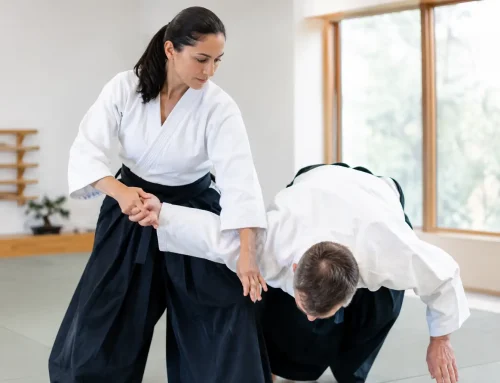
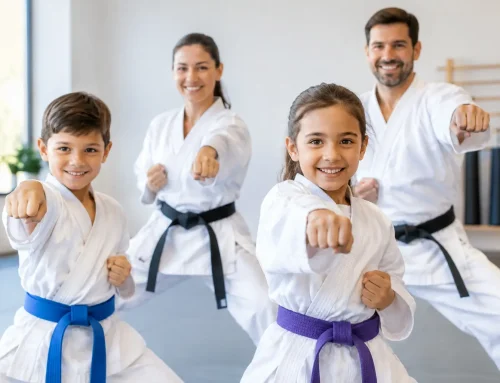
A child learning a basic stance is also learning body awareness. A student practicing a partner drill is learning how to cooperate, respect boundaries, and stay calm under direction. An adult working through a self-defense scenario is building awareness and decision-making, not simply memorizing moves.
This is especially valuable for young people navigating social pressure or bullying. Martial arts should never teach a child to seek conflict. The best instruction teaches prevention first: notice surroundings, use a clear voice, create space, get help, and understand when physical self-protection is necessary. Confidence often changes how a child carries themselves, which can help them feel less vulnerable without making them aggressive.
A supportive instructor also understands that every student arrives with a different story. One child may need help with focus. Another may be naturally athletic but uncomfortable speaking up. An adult may be managing stress, recovering confidence after a difficult experience, or simply trying something new. Good teaching meets the person in front of it.
Progress looks different for every student
Martial arts is not a race. Some students love the physical challenge right away, while others need time to get comfortable with new movements, partners, or group settings. A healthy class gives students room to learn without lowering expectations or comparing them unfairly.
That balance matters. Too much intensity too soon can cause a beginner to quit. Too little guidance can leave a student bored or unsure of what they are accomplishing. The goal is steady, achievable progress supported by clear instruction and positive accountability.
What families should look for in a program
Not every community-focused school will feel the same, and the right fit depends on a family’s needs. Some students want traditional martial arts training. Others may be drawn to self-defense, wellness-focused movement, or a broader enrichment environment. Before enrolling, it helps to look beyond the class schedule.
Start with the atmosphere. Are new students welcomed with patience? Do instructors speak to children with respect? Is correction calm and specific, or is the room built around embarrassment and intimidation? Martial arts can be disciplined without being harsh. In fact, students often respond better when expectations are firm, fair, and clearly explained.
Safety should be equally visible. A responsible program teaches control, supervises partner work, adapts activities for age and experience, and makes it clear that power comes with responsibility. Families should feel comfortable asking how instructors handle physical contact, bullying concerns, injuries, and behavior challenges.
It is also reasonable to ask how costs work. A mission-driven program should be transparent about tuition, equipment, testing, and any available support. “Pay what you can afford” can be a powerful invitation, but clear communication helps families plan and allows the program to remain sustainable for everyone it serves.
Finally, look for a culture of belonging. The strongest programs are not only places where people come to train and leave. They create opportunities for encouragement, friendship, mentorship, and service. Students learn that their progress can strengthen the people around them too.
The value of a broader learning community
A martial arts studio can be more than a place to punch pads or practice forms. When it is connected to enrichment, wellness, and creative learning, students have more ways to discover their strengths. Someone who is quiet in a martial arts class may shine while learning magic and illusions, then bring that new confidence back into their training.
This kind of variety can be especially helpful for families with more than one child or for students who are still figuring out what motivates them. They do not have to fit one narrow definition of athletic or artistic success. They can develop discipline through martial arts while also exploring creativity, communication, and performance in a supportive setting.
At OC Training Studio, that broader view is part of the mission: help people become well-rounded, capable, and connected. Martial arts remains a foundation for confidence and practical skills, but it is supported by an environment that values health, happiness, and personal expression.
Making service part of the lesson
The nonprofit approach carries a quiet but powerful message: a community becomes stronger when its resources are shared. Students can learn that receiving support is not a weakness, and giving support is not reserved for adults or experts. It can look like welcoming a new classmate, helping a younger student understand a drill, or choosing encouragement over teasing.
This message is particularly meaningful for teens. As they grow, many are looking for places where they can belong without having to perform perfection. A well-led martial arts community gives them positive role models, healthy routines, and the chance to become role models themselves.
Adults benefit from this culture too. Training alongside people of different ages and backgrounds can be a reminder that everyone begins somewhere. The person who is new today may become the encouraging partner someone else needs next season.
A first class can be a meaningful start
No class can promise instant confidence or solve every challenge a family is facing. Martial arts works best when it is one part of a larger circle of support that may include family, teachers, counselors, friends, and community mentors. Still, regular training can become a steady anchor in that circle.
The first goal does not have to be a black belt. It can be showing up, learning one new skill, taking a deeper breath before responding, or leaving class a little more certain of your own potential. In the right environment, those small moments add up – and they can change how a person sees themselves long after class is over.