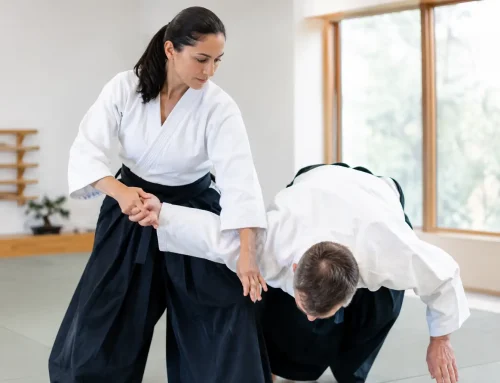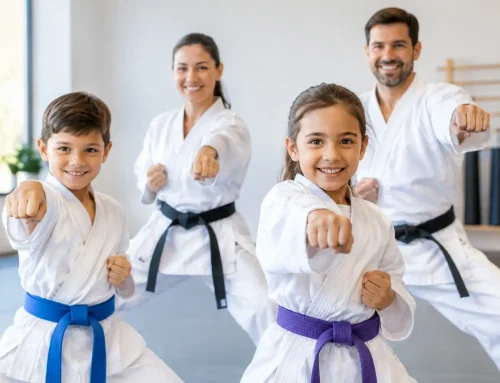
A child’s first martial arts class can reveal a lot in the first ten minutes. Are students greeted by name? Does an instructor help a nervous beginner feel included? Are advanced students practicing control as carefully as technique? This Mission Viejo safe dojo guide is designed to help families and adult beginners look past uniforms, belts, and high-energy demonstrations to find a place where growth and safety truly go together.
A good dojo is not defined by how tough it looks. It is defined by the way people are taught to treat one another. The right school helps students build confidence without teaching them to intimidate others, learn self-defense without glorifying conflict, and work hard without feeling afraid to make a mistake.
What a Safe Dojo Feels Like
Safety begins before contact drills or sparring ever start. It shows up in the culture of the room. Students should know what is expected of them, understand how to ask questions, and feel comfortable telling an instructor when something hurts, feels confusing, or crosses a boundary.
For younger students, that feeling often starts with structure. Clear routines, respectful language, age-appropriate activities, and consistent supervision help children settle in and focus. A well-run class is energetic, but it is not chaotic. Children should have opportunities to move, laugh, and challenge themselves while still understanding when to listen and when to pause.
Adults deserve that same consideration. Beginners should not be made to feel behind because they do not know the terminology or have not trained before. A welcoming dojo gives people room to learn at their own pace, whether their goal is practical self-defense, better fitness, stress relief, or a new community connection.
The Mission Viejo Safe Dojo Guide: What to Look For
When you visit a martial arts school, pay attention to more than the instructor’s credentials. Experience matters, but the ability to teach safely and connect with students matters just as much. Watch one full class if possible, especially a class that matches your child’s age or your own training goals.
Notice whether instructors explain the purpose behind an activity. Rather than simply telling students to go harder or move faster, strong teachers offer guidance on balance, distance, awareness, respect, and control. They correct students without shaming them. They also know when to adapt an exercise for a smaller child, a first-time adult, or someone returning after time away.
A healthy program makes room for different starting points. Some students are naturally outgoing; others need time before they are comfortable participating. Some want a serious physical challenge, while others need a supportive path toward confidence. There is no single pace that serves everyone, so quality instruction includes options without lowering expectations.
Clear Boundaries Are a Sign of Good Teaching
Martial arts are hands-on, and that can be a wonderful way to learn coordination, teamwork, and personal responsibility. It also means a dojo needs clear boundaries. Students should be taught how to partner safely, how to use controlled contact, and how to respect personal space.
Before drills involving contact, instructors should explain what students will do, what level of contact is appropriate, and how to stop if needed. Children should never be pressured to continue a drill that feels unsafe. At the same time, a good instructor can gently encourage students through normal nerves, helping them distinguish between a healthy challenge and a situation that needs adjustment.
Look for an environment where students practice restraint. The strongest student in the room should also be one of the safest partners. That lesson carries beyond class, giving children and teens a more grounded understanding of strength, empathy, and leadership.
Safety Should Be Seen, Not Just Promised
Every school will say it cares about safety. During a visit, look for evidence. Is the training space clean and organized? Are students paired thoughtfully by size, age, and experience when appropriate? Does the instructor actively watch the class rather than only demonstrating from the front?
You can also ask how the school handles common situations, such as a student becoming overwhelmed, an accidental injury, repeated rough behavior, or a conflict between classmates. There should be a calm, direct answer. A school does not need to promise that no one will ever stumble or feel frustrated. Physical learning includes small setbacks. What matters is whether instructors respond quickly, respectfully, and with the student’s well-being first.
Parents should feel welcome to communicate with instructors about medical needs, emotional concerns, or goals such as confidence, focus, and anti-bullying support. That communication works best when it is a partnership. An instructor sees how a student behaves in class, while parents see how lessons carry into home, school, and friendships.
Look Beyond Belt Promotions
Belts can be meaningful milestones. They give students tangible goals and recognize dedication over time. Still, promotions should not be the only reason to choose a dojo. Ask what students are learning between one rank and the next.
A thoughtful curriculum builds practical skills step by step. In a Shaolin Kempo Karate system, for example, students can develop striking, movement, self-defense awareness, and elements of jujutsu as part of a larger, connected training path. The emphasis should stay on control, sound judgment, and responsible use of skills.
For families, the most valuable progress may not be visible on a belt. It may be the child who raises their hand more often, handles disappointment with greater patience, or starts speaking up when something is wrong. For adults, it may be improved posture, renewed energy, or the confidence to set boundaries in daily life.
A good dojo recognizes those wins. It does not treat every student as a future competitor or expect every family to share the same goal. Some people thrive in tournaments. Others simply want a reliable place to train, gain confidence, and belong. Both paths deserve respect.
Questions Worth Asking Before You Join
A brief conversation can help you understand whether a program matches your family’s needs. Ask how beginners are introduced to class, how instructors handle safety during partner work, and what students are expected to do if they feel uncomfortable. You may also ask how the school supports students who are shy, have trouble focusing, or need extra encouragement.
It is reasonable to ask about class size, instructor supervision, and the progression from basic skills to more challenging practice. Be cautious if answers focus only on toughness, rapid advancement, or pressure to commit immediately. A positive school should give you space to make an informed choice.
Affordability matters, too. Training should support a family’s life, not create unnecessary stress. Community-centered programs can make martial arts more accessible by keeping the focus on people rather than prestige. At OC Training Studio, the goal is to provide a supportive place where children, teens, and adults can grow through martial arts instruction and mentorship.
Let Your Child’s Response Guide You
After a trial class, ask questions that go beyond, “Did you have fun?” A child may enjoy class and still need help describing what felt good or uncertain. Try asking who helped them, what they learned, whether they knew what to do when confused, and if they felt safe with their partners.
Listen closely to the answers. A little nervousness is normal when trying something new. Feeling consistently afraid, ignored, or pressured is different. Trust your observations, and give your child permission to be honest.
The best dojo can become a steady part of a person’s life: a place to practice courage, learn self-control, make friends, and discover that confidence is built one respectful choice at a time. Choose the school where your family feels seen, guided, and encouraged to grow.