A good dojo is not measured only by how hard people train. It is measured by what students carry with them when class ends: steadier confidence, better judgment, respect for others, and the feeling that they belong somewhere. This Mission Viejo dojo review looks at what families, teens, and adults should expect from a training space that puts growth and community ahead of intimidation.
For many people, the search begins with a practical need. A parent may want their child to respond confidently to bullying. An adult may want realistic self-defense skills, better mobility, or a healthier routine. A teen may need a positive place to build discipline without being pushed into a harsh, win-at-all-costs culture. Those goals deserve more than a generic workout. They deserve thoughtful instruction and mentors who see the person, not just the performance.
What Makes a Dojo Worth Your Time?
The word dojo can bring up images of strict lines, high kicks, and intimidating black belts. Structure and standards matter, but they should not come at the cost of safety or encouragement. The best learning environments hold both truths at once: students are challenged to grow, and they are supported while they do it.
That balance is especially meaningful for beginners. Walking into a martial arts class for the first time can feel vulnerable, whether you are seven or 57. A welcoming dojo explains expectations clearly, teaches foundational skills patiently, and gives students room to improve at their own pace. Progress should feel earned, not rushed or withheld to create pressure.
Families should also look beyond a class schedule. Ask whether instructors actively teach respect, awareness, self-control, and conflict avoidance. Notice how they speak to students who make mistakes. Watch whether experienced students help newer ones feel included. These everyday details reveal whether a program is building strong character alongside physical skills.
A Mission Viejo Dojo Review for Families and Beginners
OC Training Studio approaches martial arts as part of a larger mission: helping people become more capable, confident, and well-rounded. Its nonprofit connection through the Well Rounded Heroes Foundation reflects an emphasis on accessible learning and meaningful community support. Rather than treating training as something reserved for elite athletes or families with unlimited budgets, the studio offers a pay-what-you-can-afford approach designed to welcome more people into the experience.
That accessibility matters because confidence cannot always wait for the “right” time financially. A child who needs a supportive outlet now should have a chance to find one. An adult rebuilding strength, coping with stress, or learning personal safety should not feel that martial arts is out of reach. Affordability is not just a price point here. It supports a more inclusive community where people from different backgrounds can learn together.
The atmosphere is also a strong fit for students who are not looking for a loud, aggressive gym. Martial arts can be physically demanding, and students will be asked to focus, practice, and persevere. Still, training does not need to be fueled by embarrassment, fear, or constant competition. A positive dojo helps people understand that discipline is a form of self-respect, not punishment.
Training That Connects Skill With Character
The martial arts curriculum includes Shaolin Kempo Karate, Aikido, Mixed Martial Arts, Tai Chi, and Qi Gong. Jiu-Jitsu concepts are included as part of the Shaolin Kempo Karate system, giving students exposure to practical close-range skills within a broader martial arts path. This range can be valuable for students who want more than one kind of movement or who are still discovering what training style speaks to them.
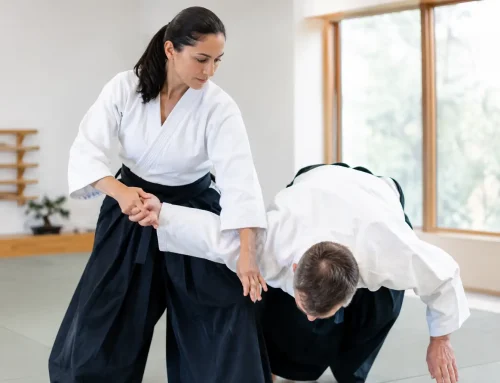
Shaolin Kempo Karate offers a structured foundation in striking, movement, self-defense, and discipline. Aikido emphasizes control, balance, and thoughtful responses to force. Mixed Martial Arts can help students develop versatile conditioning and practical awareness, while Tai Chi and Qi Gong bring attention to breath, posture, balance, and calm focus. Together, these approaches remind students that strength is not only about speed or power. It can also mean patience, body awareness, and the ability to stay composed.
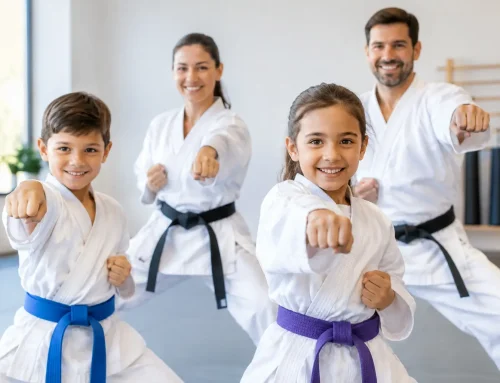
For parents, this variety can reduce the pressure of finding the perfect activity immediately. A child may first be drawn to kicks and forms, then discover that the concentration of Tai Chi helps them feel grounded. An adult who joins for fitness may find that self-defense training increases their confidence in everyday situations. Training has room to evolve as the student evolves.
Self-Defense With a Safety-First Mindset
Practical self-defense is one of the most valuable reasons to train, but good instruction is not about teaching people to seek confrontation. It is about helping them recognize risk, set boundaries, use their voice, and make smart choices under stress. Physical techniques matter, yet awareness and prevention often come first.
Women’s self-defense training can be especially empowering when it is taught with respect for real-life concerns. Students need useful tools, clear explanations, and an environment where questions are welcome. The goal is not to create fear. It is to replace some uncertainty with preparation and personal agency.
For children and teens, anti-bullying support should be equally thoughtful. They need to learn how to stand tall, communicate clearly, get help from trusted adults, and avoid escalating conflict whenever possible. Martial arts training can reinforce these lessons through posture, controlled practice, and repeated experiences of overcoming manageable challenges. When a young person sees themselves improve, they often begin to carry themselves differently at school, at home, and around peers.
More Than Martial Arts: Space for Creativity
A community training studio can also recognize that confidence grows in more than one way. Magic and illusion classes offer a different, equally meaningful kind of development. Learning a trick requires patience, practice, timing, presentation, and the courage to perform in front of others. For a shy child, that can be a gentle path toward speaking up. For a teen or adult, it can be a joyful way to sharpen focus and connect with others.
Magic also complements the studio’s broader message: people can learn skills that surprise them. Someone who initially doubts their coordination may learn a martial arts sequence. Someone who worries about being seen may perform an illusion for friends or family. These experiences create small, memorable proof that growth is possible.
The option of online martial arts and magic classes through Zoom also helps make learning more flexible. In-person practice has clear benefits, particularly for partner work and community connection, but virtual instruction can be helpful for busy schedules, transportation limitations, or students who want to stay connected from farther away. The right format depends on the student’s goals and the type of skill they are learning.
Who Will Get the Most From This Kind of Studio?
This model is particularly well suited to families who want an activity with purpose. It is for the parent looking for more than childcare between school and dinner. It is for the beginner who worries they are not athletic enough to start. It is for adults who want to develop practical skills without feeling pressured to prove themselves. It is for students who value encouragement but still want a real challenge.
It may be less ideal for someone seeking only high-volume fight training, a narrowly competition-focused program, or a single-discipline experience with no interest in community enrichment. There is nothing wrong with those preferences. The key is finding a place whose values match your goals.
Before committing, consider attending or observing a class if possible. Pay attention to whether instruction is clear, whether students are treated with dignity, and whether the energy feels focused without being tense. Ask how beginners are introduced, how children are grouped, and how the program handles concerns about safety or bullying. The answers should feel direct, caring, and practical.
A dojo can be a place where someone learns to block, strike, move, or perform. At its best, it becomes a place where they learn they are capable of more than they thought. Choose the environment that makes you or your child feel ready to show up, keep practicing, and grow with confidence.