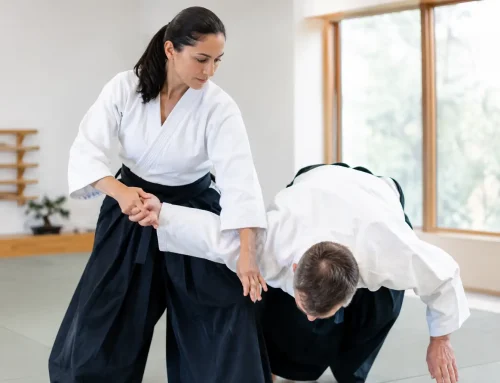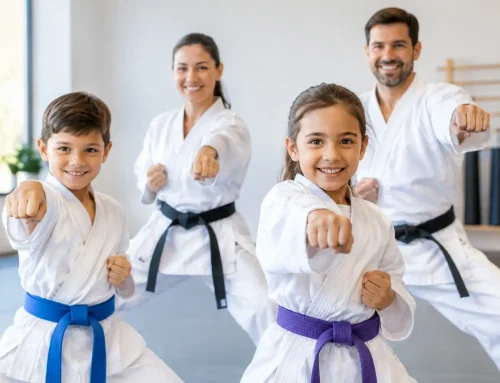
A child who freezes when a classmate gets too close, a teen looking for a healthy challenge, and an adult who wants practical self-defense may all ask the same question: karate vs mma training, which is better? The honest answer is not about which style is tougher. It is about which training environment helps a person grow in confidence, awareness, fitness, and self-control while giving them skills they will keep using.
Both paths can be valuable. Both can teach discipline and improve conditioning. The difference often comes down to how the art is taught, what the student hopes to gain, and whether the class feels like a place where they can safely learn, make mistakes, and belong.
Karate vs MMA Training: The Core Difference
Karate is a traditional martial art with an emphasis on structured techniques, stances, strikes, movement, forms, and personal discipline. A good karate program does more than show students how to punch or kick. It gives them a framework for setting goals, listening closely, practicing respectfully, and improving one step at a time.
MMA, or mixed martial arts, combines skills from more than one fighting discipline. Training may include striking, clinch work, takedowns, ground control, and defensive movement. Because it covers several ranges of self-defense, MMA often appeals to adults and teens who want a broad, practical skill set and enjoy a more athletic training experience.
Neither label tells the full story. Karate programs vary widely, and so do MMA programs. One karate school may focus heavily on competition forms, while another prioritizes self-defense and partner practice. One MMA class may be welcoming and technique-focused, while another may move quickly toward intense sparring. The instructor, class culture, and safety standards matter as much as the name on the schedule.
What Karate Builds Beyond Technique
Karate is often an excellent entry point for children, beginners, and families because its structure makes progress visible. Students learn a sequence, practice it, receive guidance, and gradually add more responsibility. That rhythm can be especially meaningful for a child who needs focus after school or a teen who benefits from clear expectations.
The physical benefits are real: coordination, balance, flexibility, posture, strength, and cardiovascular health all improve with consistent practice. Yet many families notice the emotional benefits first. Students learn to stand tall, use a clear voice, manage frustration, and stay calm when a technique does not work immediately.
In a self-defense-minded karate curriculum, students also learn that confidence is not the same as confrontation. The safest response may be creating distance, speaking firmly, recognizing a problem early, and getting help from a trusted adult. Those are powerful anti-bullying skills because they give children options before a situation becomes physical.
Shaolin Kempo Karate can be particularly well-rounded because it draws on a range of practical movements rather than treating martial arts as only one type of strike or one type of competition. Its curriculum may include elements of Jiu-Jitsu as part of the larger karate system, helping students understand balance, leverage, and how to respond when someone grabs or holds them. That broader approach can support practical self-defense without presenting every situation as a fight to win.
What MMA Training Can Offer
MMA training is useful for students who want to become comfortable across different distances. A person may understand how to throw a punch but feel uncertain if someone grabs them, pushes them, or takes them to the ground. MMA exposes students to those changing situations in a controlled setting.
It can also be an energizing fitness option. Pad work, movement drills, strength conditioning, and carefully supervised partner exercises can build endurance quickly. Adults who find ordinary gym routines repetitive may appreciate that every class has a skill to solve, not just a number to chase on a treadmill.
For some teens and adults, MMA is motivating because it is direct. Students see how footwork affects distance, how posture affects balance, and how calm breathing helps when pressure rises. Done well, the training develops humility. Everyone has something to learn, and progress comes from consistent practice rather than trying to overpower a partner.
Still, MMA is not automatically the best first choice for every student. It can feel fast-moving for a young child, someone returning to exercise after a long break, or a beginner who needs more time to build coordination and confidence. A supportive instructor can scale drills appropriately, but prospective students should ask how the class is adapted for age, experience, and individual comfort.
Safety Is a Teaching Choice
When comparing karate vs MMA training, people sometimes assume that MMA is always rougher and karate is always gentler. That is too simple. Any martial art can be taught responsibly or carelessly.
Safe training does not mean avoiding challenge. It means introducing challenge with clear boundaries. Students should know how to practice with control, how to tap or pause, how to communicate discomfort, and how to protect a partner. Instructors should actively watch pairings, correct unsafe habits, and make it clear that respect is part of the skill.
For parents, a class observation can reveal a great deal. Notice whether instructors learn students’ names, offer specific encouragement, and explain why a drill matters. Watch how students treat newcomers and how corrections are given. A healthy martial arts community does not glorify intimidation. It teaches people to become capable without making others feel small.
Choosing Based on Your Goal
If your main goal is personal development, focus, confidence, and a steady path for a child or beginner, karate may be the more natural fit. Its structured progression can help students see that effort leads somewhere. Belt advancement, when handled thoughtfully, becomes a marker of responsibility and growth rather than a race for status.
If your main goal is broad combat-sport skills, practical range awareness, and demanding conditioning, MMA may be a strong fit. It is especially appealing for adults or mature teens who enjoy varied training and want to practice how striking and grappling connect.
Many people do not need to choose forever. A foundation in karate can make later MMA training easier by building balance, timing, discipline, and body awareness. MMA experience can also give a karate student useful perspective on distance, pressure, and adaptability. The best path may change as a student gets older, gains confidence, or sets new goals.
The question is also personal. Someone who has been bullied may initially need the calm structure of karate more than the intensity of a fast-paced MMA class. Someone who already feels confident and wants a demanding new physical goal may thrive in MMA. A good program meets the student where they are, not where an online stereotype says they should be.
How to Start Without Pressure
Before committing, take an introductory class or observe one. Share your goals honestly. Parents can explain if their child needs help with confidence, focus, social skills, or bullying concerns. Adults can say whether they are seeking fitness, self-defense, stress relief, or a meaningful new challenge. The right instructor will listen before recommending a path.
Wear comfortable clothes, arrive willing to learn, and give yourself permission to be new. You do not need to be flexible, athletic, or fearless before the first class. Those qualities are often built through showing up consistently.
At OC Training Studio, the goal is not to turn every student into a fighter. It is to help children, teens, and adults become safer, healthier, more confident people within a caring community. Whether a student begins with karate, explores MMA training, or develops skills gradually over time, the most valuable lesson is the same: real strength grows when challenge is paired with guidance, respect, and encouragement.
The best first step is a class where you or your child feels both welcomed and challenged. From there, confidence has room to grow.