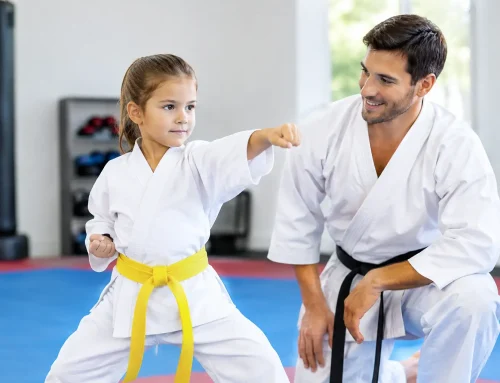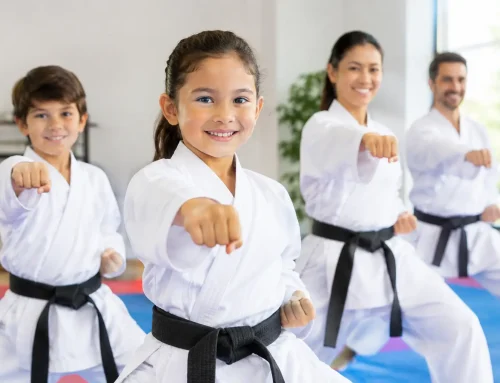
A child should never have to “tough it out” in a class that feels frightening, humiliating, or unsafe. Martial arts can build confidence, focus, friendships, and practical self-defense skills, but those benefits depend greatly on the adults leading the room. Knowing how to select safe dojos helps families choose a place where students can grow with courage while feeling seen, respected, and protected.
A safe dojo is not necessarily silent, overly formal, or free from challenge. Good training asks students to work hard, try unfamiliar movements, and learn how to handle setbacks. The difference is that challenge is guided with care. Students are pushed to improve, not pressured to ignore pain, boundaries, or their own sense of safety.
How to Select Safe Dojos: Look Beyond the Style
Whether a school teaches karate, aikido, mixed martial arts, or a traditional system that includes grappling skills, the style alone does not tell you whether the environment is safe. Every discipline can be taught thoughtfully, and every discipline can be taught poorly. Start by looking at how the school treats people.
Visit during a regular class if possible. A polished website or a friendly phone call can be a helpful first impression, but the day-to-day class experience matters more. Watch what happens when a student struggles to remember a sequence, loses balance, arrives nervous, or makes a mistake. Does the instructor correct them calmly? Do more experienced students help beginners? Is the room organized without feeling intimidating?
Pay attention to the emotional temperature of the class. Students do not need to be constantly smiling for a program to be healthy, especially during focused training. Still, you should see signs of respect: students listening, instructors using controlled voices, and corrections delivered without insults or embarrassment. A dojo can teach discipline without using fear as its main tool.
For parents, it can also help to notice whether children are treated as individuals. Younger students may need extra reminders, breaks, or a different explanation. Teens may need structure as well as a respectful place to ask questions. A quality program adjusts its teaching without lowering its standards.
Safety Is Physical, Emotional, and Organizational
Most people first think about mats, protective gear, and injury prevention. Those are essential, but they are only part of the picture. A well-run martial arts school builds safety into its culture.
Physical safety begins with a clean, maintained training area and age-appropriate instruction. Floors and mats should be in good condition, equipment should be stored sensibly, and classes should not be so crowded that instructors cannot supervise students. Sparring, throws, joint-control techniques, or contact drills should be introduced gradually, with clear rules and close attention from trained adults.
Ask how the school groups students. A five-year-old should not be expected to train at the same contact level as a much larger teenager. Adult beginners also deserve a controlled introduction instead of being matched immediately with someone who treats every round like a competition. Experience, size, age, goals, and temperament all matter.
Emotional safety is equally meaningful. Students should be able to say when something hurts, ask for clarification, take a reasonable break, or decline unnecessary physical contact. Instructors should explain why drills are being taught and what students can do if they feel uncomfortable. Consent and communication are not distractions from self-defense training. They are part of it.
Organizational safety is what happens before and after class. Responsible programs have clear procedures for check-in and pickup, appropriate supervision, emergency response, and communication with families. They should be transparent about who teaches each class, how instructors are prepared, and how concerns are handled. You do not need a school to share private details, but you should never feel brushed off for asking reasonable questions.
Questions Worth Asking Before You Enroll
The best schools welcome thoughtful questions because they want families to make a confident choice. Start with the instructor’s approach: How do you help a nervous beginner? What happens if a student is injured or overwhelmed? How do you address bullying, disrespect, or repeated unsafe behavior?
Ask about contact and sparring, too. Some families want a program with more live practice, while others are looking first for movement, confidence, and foundational self-defense. Neither preference is wrong. What matters is that the school explains its progression clearly and does not pressure students into activities they are not ready for.
If your child has sensory needs, anxiety, a prior injury, or difficulty with transitions, share only what you are comfortable sharing and ask how the instructor can support them. No program can promise that every student will have an effortless first class. A caring school can promise to listen, communicate, and make reasonable efforts to help each student participate successfully.
Financial clarity matters as well. Understand tuition, uniforms, testing fees, cancellation terms, and any expectations around long-term contracts before signing. Affordable access and transparent policies can reduce stress for families and keep the focus on learning rather than surprise expenses.
Watch How Instructors Use Authority
Martial arts traditions often include ranks, titles, rituals, and clear lines of leadership. These can be positive tools for teaching respect and responsibility. They become a concern when they are used to silence questions, excuse inappropriate behavior, or demand unquestioning loyalty.
A trustworthy instructor does not need to belittle students to earn respect. They model the self-control they teach. They correct unsafe behavior immediately, but they do not use public shame as entertainment. They are mindful of physical boundaries and avoid singling out a student in ways that feel isolating or uncomfortable.
Look for instructors who can balance confidence with humility. The strongest teachers are often comfortable saying, “Let’s slow that down,” “I want to make sure everyone understands,” or “Thank you for telling me.” These moments show that the goal is not to look powerful. The goal is to help people learn safely.
It is also reasonable to ask whether parents may observe classes, especially for younger children. Some programs have designated observation practices to limit distractions, which can be understandable. But a school should be able to explain those practices openly and provide families a meaningful view of the learning environment.
Notice the Community Students Create
Students often reflect what their instructors consistently reward. In a healthy dojo, advanced students are not expected to act superior because they have more experience. They are encouraged to be patient partners, helpful role models, and responsible leaders.
Watch the interactions between classmates. Do students celebrate effort as well as achievement? Are beginners welcomed? When someone falls behind, do others laugh, ignore them, or offer support? No group is perfect every day, but the overall pattern should be one of inclusion.
This is especially important for families seeking anti-bullying support. Martial arts should not teach children to respond to every conflict with aggression. Strong programs help students develop awareness, verbal confidence, boundaries, and the judgment to seek help when needed. Physical skills are valuable, but restraint and good decision-making are signs of real strength.
For adults, community can be the difference between trying one class and sustaining a healthy practice for years. A welcoming dojo makes room for beginners, returning students, fitness-focused members, and people training for practical self-defense. You should not have to prove that you belong before you are treated with respect.
Trust Concerns Without Ignoring Context
One awkward class does not always mean a school is unsafe. A new instructor may be learning the group’s rhythm, a student may be having a difficult day, or a class may be working through a challenging lesson. Give yourself permission to gather more information rather than making a decision based on one small moment.
At the same time, do not explain away repeated concerns. Persistent yelling, uncontrolled contact, mocking, unsanitary conditions, unclear policies, pressure to keep secrets, or dismissal of injuries are serious warning signs. If something feels wrong, pause. Talk with the program leadership, seek another observation, or choose a different school. There are many ways to learn martial arts, and no family needs to accept a culture that compromises their well-being.
The right dojo will not promise instant confidence or a black belt without effort. It will offer something more valuable: patient guidance, meaningful standards, and a community where students can practice becoming calm, capable, and considerate people. Choose the place where your family feels safe enough to learn, challenged enough to grow, and welcomed enough to return.