A teen comes home energized after trying MMA for the first time. They are talking about learning a new move, meeting other students, and feeling stronger than they expected. Then a parent pictures a professional cage fight and asks the right question: is MMA safe for teens?
The honest answer is that it can be, but safety depends far more on the program than the label. Well-run teen MMA is not about encouraging young people to trade hard punches or prove toughness. It is about learning movement, self-control, awareness, conditioning, and practical skills under careful guidance. The environment, instructor judgment, class structure, and a teen’s readiness all matter.
For many teens, a supportive martial arts setting becomes a place to build confidence without needing to be the loudest, fastest, or most naturally athletic person in the room. That benefit is real. So is the need for thoughtful safeguards.
Is MMA Safe for Teens in the Right Setting?
MMA stands for mixed martial arts, which means students may learn skills inspired by striking, grappling, balance, footwork, and self-defense. For teens, those skills should be introduced in an age-appropriate way. Technique comes before intensity. Respect comes before competition. Control comes before contact.
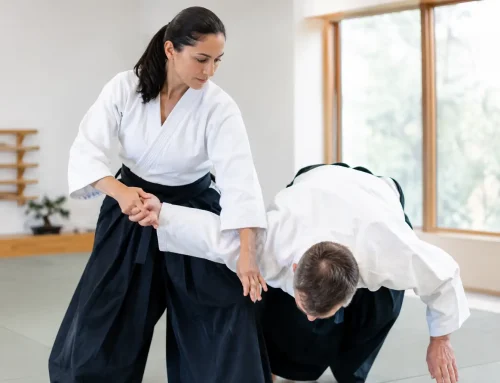
A quality youth program does not copy adult professional fighting. It separates training from spectacle. Teens may practice stance, movement, pads, controlled drills, escapes, positional awareness, and partner exercises, but they should not be pushed into hard sparring before they have the skills, equipment, maturity, and desire to participate safely.
There is no activity with zero risk. Basketball, football, skateboarding, and even playground games can lead to injuries. Martial arts carries risks too, including bumps, strains, sprains, and, when contact is poorly managed, head injuries. The goal is not to pretend those risks do not exist. The goal is to reduce unnecessary risk through excellent coaching and a culture where students are allowed to slow down, ask questions, and stop when something does not feel right.
A teen’s individual needs matter as well. A student recovering from an injury, managing a medical condition, or struggling with anxiety may need modifications or a conversation with a healthcare professional before beginning. The best instructors welcome that conversation because protecting the student is part of teaching them.
What Safe Teen MMA Training Looks Like
Parents do not need to be martial arts experts to recognize a healthy training environment. Start by watching a class. Notice whether the coach knows students’ names, explains the purpose of each drill, and actively supervises partner work. Look for instruction that rewards control and good decisions, not aggression.
Safe programs group students sensibly by age, size, experience, and skill whenever possible. A new 13-year-old should not be expected to keep up with an advanced, much larger teenager in a live-contact drill. Good coaches adjust activities, pair students thoughtfully, and keep the pace manageable.
Protective equipment is one piece of the picture, not the whole picture. Gloves, mouthguards, shin protection, and other gear can help where appropriate, but equipment cannot replace supervision or sound rules. A program should have clear expectations about contact, hygiene, warming up, technique, and what happens when someone is hurt.
Just as important, teens should learn that tapping out, taking a break, or saying “too hard” is a sign of awareness, not weakness. That lesson travels beyond the mat. Young people who can communicate boundaries in training are better prepared to communicate them at school, with friends, and in stressful situations.
Sparring should be earned, not assumed
Sparring can teach distance, timing, composure, and emotional control. It can also become unsafe when it is treated as a test of courage or an everyday free-for-all. For teens, sparring should be optional, closely supervised, and scaled to the student’s experience.
Before a teen spars, they should understand how to maintain control, respond to instructions, use proper gear, and protect both themselves and their partner. Light, technical sparring is very different from trying to win an exchange through power. If a gym cannot explain that difference clearly, it is reasonable to keep looking.
Parents should also ask how the program handles head contact. A responsible instructor will have a direct answer. They should be able to describe limits on contact, when drills are stopped, and how they respond if a student shows signs of a possible concussion, such as headache, dizziness, nausea, confusion, unusual fatigue, or changes in behavior. A teen with concerning symptoms should stop training and be evaluated by a qualified medical professional.
The Benefits Go Beyond Learning to Fight
At its best, teen MMA teaches students that strength includes restraint. A student learns to focus under pressure, listen when corrected, and practice something difficult without quitting after one frustrating attempt. Those are meaningful life skills during years when confidence can rise and fall quickly.
The physical benefits can be substantial, too. Training can improve coordination, mobility, balance, general fitness, and body awareness. Rather than viewing exercise as a punishment, many teens begin to see what their bodies can learn to do. That shift can be especially valuable for a young person who has not connected with traditional team sports.
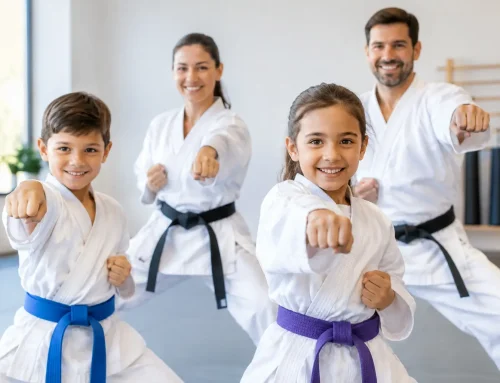
Social growth is another reason families choose martial arts. A respectful class gives teens a structured way to meet peers, work with different personalities, and experience accountability from trusted mentors. For students navigating bullying or social pressure, learning calm posture, verbal boundaries, and situational awareness can feel empowering.
Still, martial arts is not a cure-all. It should never be presented as a guarantee that a teen will avoid conflict or become instantly confident. The strongest programs pair practical training with humility, communication, and the understanding that the best fight is often the one avoided.
Questions to Ask Before Enrolling Your Teen
A welcoming introductory class can tell you a great deal, but parents should feel comfortable asking direct questions. You are not being overprotective. You are choosing a setting where your teen will place trust in instructors and training partners.
Ask how coaches adapt drills for beginners and whether students are separated by size or experience. Ask what contact is permitted, when sparring is introduced, and whether participation is required. Find out what safety gear is used and how equipment and mats are kept clean. Finally, ask how the instructor handles injuries, unsafe behavior, and a student who wants to sit out.
Listen for answers that are specific, calm, and centered on the student. Be cautious if a program glorifies injuries, dismisses concerns, pressures teens to spar, or treats a student’s boundaries as a lack of commitment. The right training space will make safety feel normal, not embarrassing.
It also helps to ask your teen what they want from class. Are they looking for fitness, confidence, self-defense skills, stress relief, friendship, or a new challenge? Their answer can help an instructor guide them toward the right pace and goals. A teen who wants a supportive outlet may thrive in a fundamentals-focused class, while a teen interested in competition may need more time developing a safe foundation.
How Families Can Support a Safe Experience
Once training begins, keep the conversation open. Ask what your teen learned, how the class felt, and whether any drills made them uncomfortable. Praise effort, consistency, respect, and self-control rather than focusing only on how hard they trained or whether they “won” an exercise.
Encourage rest, hydration, and honest reporting of pain or symptoms. Teens sometimes minimize discomfort because they do not want to disappoint a coach, parent, or teammates. Make it clear that speaking up protects their long-term progress. Missing one class to recover is far better than turning a small issue into a bigger injury.
It is also helpful to remember that martial arts progress is personal. Some teens are ready for more contact over time; others gain exactly what they need from technical drills, conditioning, and controlled partner practice. Neither path is less valid. Training should help a young person feel capable and connected, not pressured to become someone else.
At OC Training Studio, the aim is to give young people a place where growth and safety belong together. When mentors set clear expectations and families stay involved, MMA can be more than a workout. It can become a steady practice of confidence, discipline, and respect that teens carry with them long after class ends.