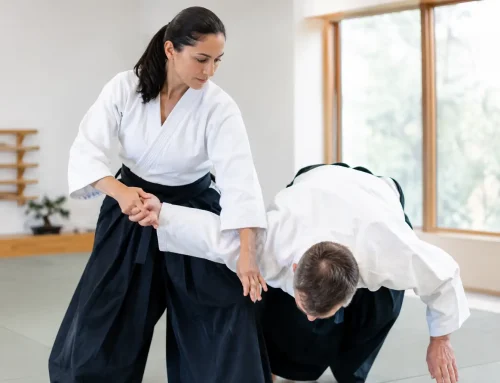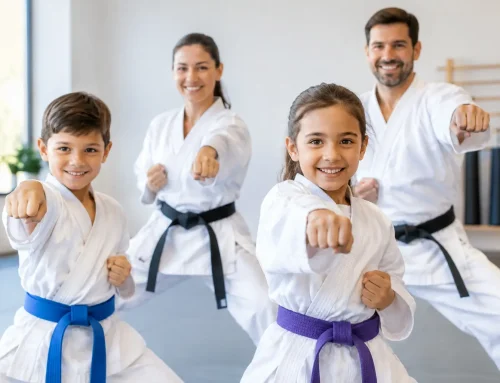
A great family activity should not leave one person sitting on the sidelines. The best family martial arts membership guide starts with a simple question: can this program help each person feel stronger, safer, and more connected? For many families, martial arts becomes more than a weekly class. It becomes shared encouragement after a hard day, healthier routines, and a place where children and adults are known by name.
Choosing a membership is not only about comparing schedules or prices. It is about finding instruction that meets your family where you are, whether your child needs confidence around peers, your teen needs a positive outlet, or you want practical self-defense skills and a welcoming community.
What a Family Membership Should Actually Support
A family martial arts membership should make it easier for people at different ages and experience levels to participate consistently. That does not mean everyone needs to take the same class or progress at the same pace. A younger child may be building focus and learning how to listen, while a parent is improving mobility, stress management, and personal safety awareness.
The shared benefit comes from growing in the same supportive environment. Families can talk about what they learned, practice respectful communication, celebrate effort, and model the value of showing up. When training feels like another source of pressure, it is hard to sustain. When it feels like a place of belonging, it can become part of a healthy family rhythm.
Look for a program that treats character development as part of the training. Technique matters, but so do patience, self-control, courage, and respect. These are skills that carry into school, work, friendships, and home life.
Start With Your Family’s Real Goals
Before visiting a studio, take a few minutes to talk honestly about why each person is interested. Parents often enroll a child because they want better focus, confidence, or support with bullying concerns. Adults may be looking for fitness that feels more purposeful than a typical workout. Teens may want a challenge, practical skills, or a community beyond screens and school.
There is no wrong reason to begin. Still, clear goals help you choose the right fit and recognize progress that does not show up on a scale or a belt right away.
For example, a child who starts out reluctant to speak may gradually begin greeting instructors, volunteering answers, and standing taller. An adult may find that regular training creates more energy and patience at home. A family may simply value having one meaningful activity that brings them together each week.
Set goals around participation and growth, not perfection. “Attend consistently for two months” is more useful than “become advanced quickly.” Martial arts is built through repetition, and confidence tends to follow steady effort.
Choose a Culture, Not Just a Class Time
Convenient scheduling matters, especially for busy Orange County families. But the culture of a studio matters just as much. Watch how instructors greet beginners, correct mistakes, and manage different ability levels. A strong program challenges students without humiliating them. It makes safety clear without making newcomers feel intimidated.
Ask whether the instruction is beginner-friendly and how students are grouped. Children, teens, and adults have different needs, and a thoughtful instructor adapts the lesson while keeping expectations positive and clear. You should also feel comfortable asking how the program handles behavior, sparring, physical contact, and injury prevention.
For families concerned about bullying, look beyond promises of self-defense. Helpful training teaches awareness, calm communication, boundaries, and the confidence to seek help from trusted adults. Physical techniques can be valuable, but the goal is never to encourage conflict. The goal is to help students carry themselves with greater confidence and make safer choices.
A warm, community-centered studio also recognizes that some students need time. The loudest child is not always the one making the most meaningful progress. A patient mentor can make all the difference for a shy beginner, a teen rebuilding confidence, or an adult returning to exercise after years away.
Understand What the Membership Includes
Memberships vary widely, so it is wise to ask direct questions before committing. Find out which classes are included, how often each family member can attend, and whether there are options that match different ages and interests. Some families benefit from a simple weekly routine. Others want flexibility because work, school, and caregiving schedules change often.
At OC Training Studio, martial arts training is part of a broader mission to help people become well-rounded, confident community members. That may be especially meaningful for families who want an environment that values personal growth alongside physical skill.
Also ask how the studio approaches curriculum. Shaolin Kempo Karate can provide a broad foundation that includes striking, movement, practical self-defense principles, and jiu-jitsu elements within the system. For beginners, the most important question is not whether they know every style name. It is whether the instruction is safe, age-appropriate, understandable, and led by teachers who care about progress.
If your family enjoys creative learning as well as physical training, ask about enrichment opportunities such as magic and illusions. A creative class can give a child another way to build stage presence, communication, patience, and confidence. The right mix depends on your child and your schedule. It is better to begin with a manageable commitment than to sign up for so much that the experience becomes stressful.
Make Affordability Part of the Conversation
Families deserve to ask about cost without embarrassment. A membership should support your household, not create financial strain that makes attendance difficult. Ask about enrollment fees, uniforms, testing costs, event costs, make-up classes, cancellation policies, and whether payment options are available.
Affordable access can matter even more when more than one person wants to train. A donation-friendly or pay-what-you-can-afford approach may help families participate according to their circumstances. That kind of model reflects a powerful idea: personal growth, safety, and mentorship should not be reserved for only those with the largest budgets.
Value is not always the lowest monthly number. Consider what your family receives in return: quality instruction, a safe setting, consistent mentorship, opportunities to build confidence, and a community that welcomes beginners. At the same time, be practical. The best membership is one you can maintain comfortably over time.
Build a Routine That Your Family Can Keep
The first few weeks can be exciting, but long-term benefits come from consistency. Put class times on the family calendar like any other important commitment. Prepare uniforms, water, and a light snack ahead of time when needed. Small preparations reduce the last-minute stress that can derail a good habit.
Avoid turning attendance into a battle. Encourage children, but listen when they are tired, nervous, or overwhelmed. Sometimes a child needs reassurance that everyone is new at first. Sometimes a schedule needs to change. Consistency does not require rigid perfection. It means returning to the practice, even after a busy week or a missed class.
Parents can reinforce the lessons at home without becoming a second instructor. Ask open questions: “What felt challenging today?” “Did you help someone?” “What are you proud of?” These conversations show children that growth is about effort and character, not just earning the next rank.
Signs Your Membership Is Working
Progress in martial arts is often quiet before it becomes obvious. You may notice better posture, improved coordination, or more willingness to try something difficult. You may also see a child handle disappointment with more patience or a teen find a friend group that feels positive and accepting.
For adults, success might look like improved energy, better balance, more confidence walking alone, or the relief of having an hour each week focused on personal wellbeing. Families may find that training gives them a new way to encourage one another outside the studio.
Ranks, belts, and achievements can be motivating, but they are not the only measure. The most meaningful signs are often the habits students build: showing respect, practicing self-control, speaking up when needed, and believing that growth is possible.
A Family Martial Arts Membership Guide for the Long Term
The right program will not promise instant transformation. It will offer guidance, structure, and a safe place to keep practicing. It will welcome beginners, honor different learning speeds, and help each person discover strengths they may not have seen yet.
Choose a membership that leaves your family feeling supported rather than pressured. When training becomes a place for confidence, health, friendship, and shared purpose, the benefits can reach far beyond the mat.