A teen who says, “I can’t do this,” may not be asking for a pep talk. They may be asking for a safe place to try, make a mistake, and try again without feeling judged. That is the real starting point for how to build teen confidence: not convincing young people that they are perfect, but helping them collect proof that they can handle hard things.
Confidence is often mistaken for being outgoing, popular, or fearless. In reality, a confident teen may still feel nervous before a presentation, uncertain in a new group, or frustrated while learning a difficult skill. The difference is that they have learned to keep moving forward anyway. Families and mentors can help create the experiences that make that possible.
Confidence Grows From Evidence, Not Empty Praise
“Good job” has its place, especially when it is sincere. But broad praise can feel hollow to teens when they know they struggled, missed a goal, or are comparing themselves to someone else. Specific recognition is more useful because it shows them what they did well and what they can repeat.
Instead of saying, “You’re so talented,” try, “You stayed focused even after that first attempt didn’t work,” or, “I noticed you introduced yourself even though you were nervous.” These comments connect confidence to effort, preparation, courage, and follow-through. Those are qualities a teen can build, rather than traits they either have or do not have.
This does not mean celebrating every outcome equally. Teens need honesty as much as encouragement. If they did not prepare for a test or gave up on a responsibility, it is okay to name that calmly. The goal is to keep the conversation focused on choices and next steps, not on labels like lazy, awkward, or incapable.
Give Teens Real Responsibilities
A teenager becomes more confident when adults trust them with meaningful responsibilities. That might mean planning part of a family event, speaking to a coach or teacher about a concern, managing a schedule, helping a younger student, or taking ownership of a household task.
The responsibility should be real enough to matter, but not so overwhelming that failure feels inevitable. A teen who has never handled a task alone may need guidance at first. Walk beside them, explain the goal, and let them make some decisions. Then step back. Solving every problem for them sends an unintended message: “You cannot handle this.”
There is a trade-off here. Giving teens more independence can mean slower mornings, imperfect results, and occasional mistakes. Those moments can be frustrating for parents, but they are also practice. When a young person recovers from a missed deadline, a forgotten item, or an awkward conversation, they learn that one mistake does not define them.
Build Confidence Through a Skill They Can Practice
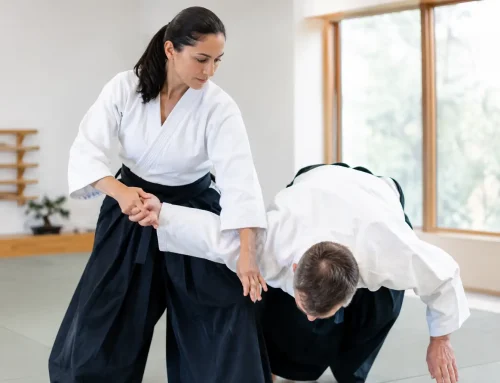
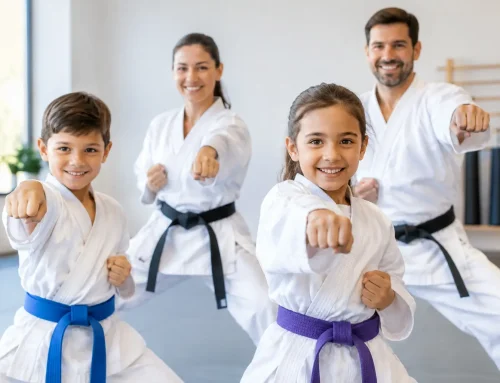
Teen confidence becomes stronger when it is connected to a skill with visible progress. Martial arts can be especially meaningful because it asks students to show up consistently, learn techniques step by step, manage their body, and stay composed under pressure. Progress is not based solely on being the fastest, strongest, or most athletic person in the room.
In a supportive martial arts setting, a teen can experience the quiet pride of learning a stance, improving coordination, practicing self-defense awareness, or completing a challenging sequence that once felt impossible. They also learn that discipline is not punishment. It is a way of keeping promises to themselves.
Creative practice can offer similar benefits. Magic and illusion training, for example, gives teens a reason to practice patience, presentation, and communication. Performing a trick is not only about getting it right. It is about making eye contact, recovering gracefully when something goes off plan, and sharing an experience with an audience.
The best activity depends on the teen. Some thrive in a structured group class; others need time to warm up. Some enjoy a physical challenge, while others feel more capable when they can create or perform. The most valuable program is one where they feel welcomed, challenged, and seen as an individual.
Create a Place Where Belonging Comes Before Performance
Teens are highly aware of social pressure. They notice who gets included, who is laughed at, and whether adults only pay attention to the top performers. A confidence-building environment makes room for beginners, quieter students, and young people who are still figuring out where they fit.
Belonging does not mean lowering expectations. It means holding standards with kindness. A teen can be corrected without being embarrassed. They can be pushed to improve without being compared to everyone else. They can learn to compete with their own previous effort instead of chasing approval.
This is one reason consistent mentors matter. A trusted instructor, coach, teacher, or community leader may see strengths a teen has not recognized yet. They can offer guidance outside the emotional intensity of home, while reinforcing the same message: you are capable of growth, and you do not have to earn your place by being flawless.
At OC Training Studio, this sense of belonging is part of the purpose behind training. Students are encouraged to build practical skills, personal discipline, and respect for others in a community where each person can grow at their own pace.
Help Teens Practice Handling Discomfort
Avoiding every uncomfortable situation can make fear feel bigger. Building confidence sometimes means helping a teen take small, manageable risks: asking a question in class, trying a new activity, introducing themselves to someone, or returning after a disappointing performance.
The key word is manageable. Throwing a deeply anxious teen into the spotlight without preparation may backfire. Instead, break the challenge into smaller steps. If public speaking feels intimidating, they might first practice in front of a mirror, then a family member, then a small group. Each successful step becomes evidence that discomfort can be survived.
Afterward, resist the urge to immediately evaluate whether they were impressive. Ask questions that help them reflect: What felt hardest? What did you do when you got nervous? What would you do differently next time? Reflection turns an experience into learning.
Teach Assertiveness, Not Aggression
Confidence includes knowing how to speak up, set boundaries, and seek help. This is especially relevant when teens face bullying, social conflict, or pressure to go along with something that feels wrong.
Assertiveness is calm and clear. It can sound like, “Stop. I don’t like that,” “I’m not doing this,” or, “I need help with this situation.” Teens benefit from practicing these words before they need them. Role-playing common scenarios at home or in a trusted program can make a response feel more available in a stressful moment.
Self-defense training can support this lesson when it is taught responsibly. The goal is not to make young people feel they must handle every threat alone. It is to develop awareness, boundaries, confidence in their voice, and practical habits for getting to safety and finding help. Physical techniques are most valuable alongside good judgment and a commitment to respect.
Protect Their Confidence Without Shielding Them From Life
Parents and caregivers cannot remove every criticism, rejection, or setback. Nor should they. A teen who learns that disappointment is survivable has a foundation that popularity and praise cannot provide.
What helps is being a steady landing place. Listen before fixing. Take their worries seriously without treating every hard day as a crisis. Remind them of past moments when they were nervous and still showed courage. If low self-worth, withdrawal, intense anxiety, or hopelessness persist, professional mental health support can be an important act of care.
Let Confidence Be a Practice
The answer to how to build teen confidence is rarely one big speech or one successful moment. It is the repeated experience of being supported, challenged, corrected with respect, and trusted with the next step. When teens learn that they can belong while they are still learning, confidence becomes less about proving themselves and more about becoming who they are.