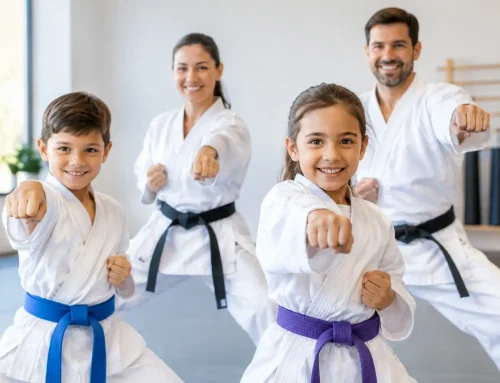
A child who once stayed quiet at the edge of the room volunteers to demonstrate a stance. A teen who felt disconnected starts encouraging a newer student. An adult who joined to learn practical self-defense realizes they are standing taller outside class, too. These are the kinds of community mentorship outcomes that matter because they reach far beyond a single lesson.
At a supportive training studio, instruction is never only about a technique, a belt, or getting the trick right. It is about being seen, challenged, and guided by people who care about your progress. For families and individuals, that kind of consistent support can become a steady source of confidence, resilience, and belonging.
What Meaningful Community Mentorship Outcomes Look Like
Mentorship is sometimes treated as a vague extra, something nice to have if time allows. In a healthy community program, it is part of the learning environment. Instructors set expectations, model respect, notice effort, and help students recover when something feels difficult.
The strongest outcomes are often quiet at first. A student may begin by making eye contact, speaking more clearly, or returning after a frustrating class instead of giving up. Over time, those small choices can shape how they respond to school pressure, social conflict, work challenges, and unfamiliar situations.
Confidence built through earned progress
Real confidence is not empty praise. It grows when someone practices, struggles, receives helpful coaching, and sees evidence that they can improve. Martial arts training gives students many opportunities to experience that process firsthand. They learn a movement that once felt awkward, remember a sequence, or practice speaking with a clear, respectful voice.
Magic classes can create a similar kind of growth. Learning a routine requires patience, focus, presentation, and the willingness to perform in front of others. For a shy child or teen, showing a trick to classmates or family can be a meaningful step toward self-expression. For adults, it can be a refreshing reminder that confidence can be practiced at any age.
Resilience that does not depend on winning
Not every class will feel easy. A student may forget a step, lose focus, feel nervous before performing, or need extra time to understand a skill. A mentor helps reframe those moments. The message becomes, “You are still learning,” rather than, “You are not good at this.”
That distinction matters. When people learn that mistakes are information rather than proof of failure, they are more likely to keep trying. This is especially valuable for children and teens who may already feel pressure to get everything right at school or online.
Why Community Makes Mentorship Stronger
A skilled instructor can teach technique. A connected community gives that instruction a place to take root. Students benefit when they are surrounded by peers who are working toward goals, practicing self-control, and learning how to encourage one another.
In a class with a welcoming culture, beginners are not treated as interruptions. They are part of the group from day one. More experienced students can model patience and leadership, while newer students remind everyone what it feels like to take a brave first step.
This does not mean every student needs the same kind of support. Some children thrive when invited to lead. Others need a little more time before they are comfortable speaking up. Some adults want an energetic challenge, while others are returning to movement after years away. Good mentorship meets people where they are while still inviting them to grow.
Community Mentorship Outcomes for Different Ages
Children learn confidence with boundaries
For younger students, a structured class can offer a valuable balance of fun, movement, and clear expectations. They learn to listen, take turns, follow directions, and use their energy constructively. These skills can support better communication at home and more positive interactions at school.
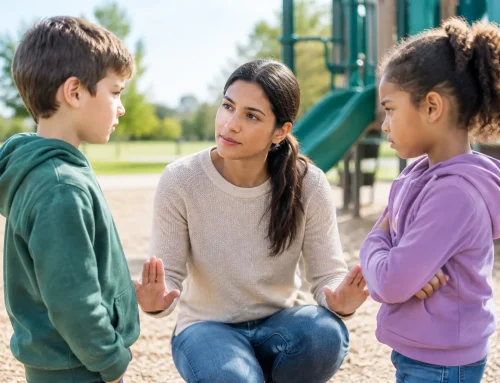
Martial arts also gives children language for personal safety. They can practice awareness, strong body language, and respectful boundaries without being taught to seek conflict. When anti-bullying guidance is part of the culture, students learn that strength includes knowing when to get help, speak up, walk away, and support others.
Teens find identity beyond comparison
Teen years can be full of comparison. Social media, academics, sports, and changing friendships can make it difficult to feel grounded. A mentorship-centered program creates a space where progress matters more than popularity.
Teens often grow when they are trusted with responsibility. Helping welcome a new student, demonstrating a drill, or offering encouragement can show them that leadership is not about being the loudest person in the room. It is about being reliable, respectful, and aware of the people around you.
Adults rebuild confidence through practice
Adults may arrive with different goals: practical self-defense, better fitness, stress relief, or a desire to try something new. Yet many find that the deeper benefit is consistency. Showing up, learning alongside others, and making gradual progress can restore a sense of personal momentum.
Mentorship for adults should be respectful of real life. Work schedules, caregiving, injuries, and energy levels all affect training. Encouragement is most useful when it is paired with realistic options and a culture that values progress over perfection.
How Martial Arts and Magic Create Opportunities to Grow
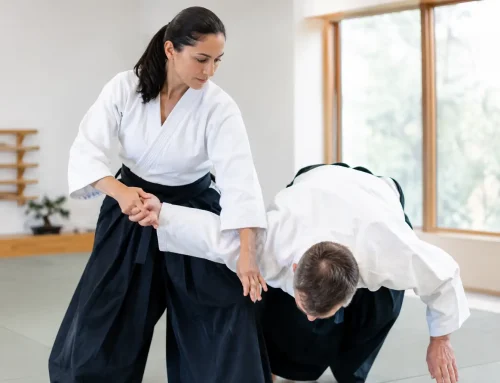
Martial arts classes create a natural setting for mentorship because students practice discipline in visible, repeatable ways. They learn to control their bodies, stay present, and treat training partners with care. Shaolin Kempo Karate can also introduce students to a broad range of practical movement and self-defense concepts, including jujutsu principles within the system, while keeping the focus on awareness, control, and responsible training.
Just as importantly, students learn how to respond when things do not go as planned. They might need to reset after missing a movement or take coaching without becoming discouraged. Those habits are useful in nearly every part of life.
Magic adds another dimension. A magician must pay attention to detail, practice patiently, and connect with an audience. The goal is not simply to fool someone. It is to create surprise, joy, and a shared moment. Students who learn magic often build communication skills because they must think about timing, storytelling, and how others experience their performance.
For some people, martial arts is the doorway to confidence. For others, it is performing a magic routine for the first time. Both can offer a safe way to take a risk, receive guidance, and discover new strengths.
What Families Should Look for in a Mentorship-Centered Program
Families do not need a program that promises instant transformation. They need one that creates the conditions for lasting growth. Look for instructors who know students as people, not just names on an attendance list. Notice whether corrections are respectful, whether beginners are welcomed, and whether the environment feels safe for questions.
It also helps to ask how a program handles setbacks and conflict. Does it teach students to communicate clearly? Are respect and safety practiced consistently? Is leadership treated as service rather than status? The answers reveal far more than a brochure ever could.
Accessibility matters, too. Community mentorship has a wider impact when people can participate without feeling that cost, experience level, or athletic background puts them outside the door. A mission-driven program such as OC Training Studio can help make growth-oriented instruction feel approachable for more families and individuals.
Growth Becomes Stronger When It Is Shared
The best mentoring relationships do not create dependence. They help people recognize their own ability to make thoughtful choices, keep learning, and contribute to others. A student who is encouraged today may become the person who encourages someone else tomorrow.
That is why community-based training can be so meaningful. It gives people a place to practice courage before they need it, kindness before it is tested, and confidence before life asks them to step forward. Find a space where effort is noticed, growth is celebrated, and every person has room to become more of who they are.