A child who avoids eye contact after school, a teen who needs a steadier outlet for stress, or an adult who wants to feel safer walking to their car may not need another high-pressure fitness program. They may need patient instruction, clear structure, and a place where people notice their progress. This guide to nonprofit martial arts explains why a mission-centered training environment can make that kind of support more accessible.
Nonprofit martial arts programs are not simply lower-cost versions of conventional schools. At their best, they use martial arts as a tool for confidence, physical health, self-control, connection, and service. The kicks, stances, and self-defense skills matter, but so does the way students are welcomed, corrected, encouraged, and included.
What Makes Nonprofit Martial Arts Different?
A nonprofit program is organized around a community mission rather than maximizing profit. That difference can shape everything from pricing to programming. Some organizations offer pay-what-you-can options, scholarships, donation-supported instruction, or flexible ways for families to participate when a traditional monthly membership is out of reach.
Affordability is meaningful, but it should never mean lower standards. Families should still expect knowledgeable instructors, a clean and supervised training space, age-appropriate classes, and thoughtful safety practices. The goal is not to make martial arts feel casual. It is to remove unnecessary barriers so more people can benefit from consistent, quality training.
The strongest nonprofit martial arts programs also measure success differently. A tournament medal can be exciting, but it is not the only sign of growth. A student speaking up with more confidence, showing respect during a difficult drill, returning after a hard week, or helping a newer classmate are achievements worth recognizing too.
A Guide to Nonprofit Martial Arts: What to Look For
Finding the right program starts with a simple question: what do you or your child need from training right now? The answer may be self-defense knowledge, physical activity, better focus, confidence around peers, a healthier routine, or a welcoming community. A good school listens to that answer instead of forcing every student into the same goal.
Instruction that teaches more than techniques
Martial arts training should be practical, but practical does not have to mean intimidating. Beginners need instructors who can explain why a movement matters, demonstrate it clearly, and offer corrections without embarrassment. Children especially benefit from lessons that connect physical technique with life skills such as listening, patience, boundaries, and responsibility.
Look for instruction that respects different starting points. One student may be naturally athletic but need help with discipline. Another may be quiet, anxious, or new to physical activity. Both deserve coaching that helps them improve without comparing them to everyone else.
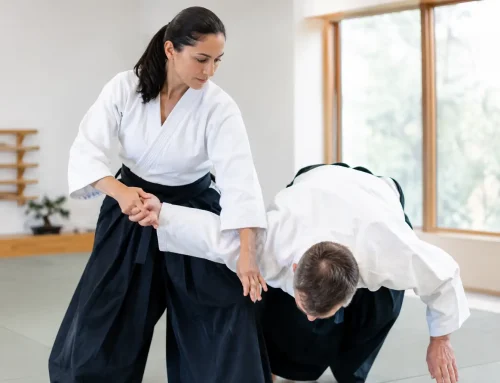
For families exploring a Shaolin Kempo Karate program, it can also help to understand the system’s range. Jiu-Jitsu techniques may be taught as part of the broader Shaolin Kempo Karate system, alongside striking, movement, awareness, and self-protection skills. This kind of integrated approach can help students see martial arts as a connected practice rather than a collection of isolated moves.
A culture of safety and respect
Martial arts can build confidence because students learn to handle challenges in a controlled setting. That only works when the culture is safe. Instructors should set expectations for respectful contact, appropriate language, personal boundaries, and partner care from the first class.
Ask how beginners are introduced to sparring or partner drills. There is no single correct pace. Some students are ready to try controlled contact sooner, while others need more time to build coordination and trust. What matters is that nobody is pressured to prove themselves through pain, fear, or unsafe intensity.
A healthy program also addresses bullying with more than a slogan. It teaches students how to carry themselves with awareness, use their voice, seek help, de-escalate when possible, and protect themselves if necessary. Real confidence is not about looking for a fight. It is knowing you have choices and support.
Pricing that is clear and dignified
Nonprofit accessibility works best when it is handled with respect. Families should not have to share private financial details in a crowded lobby or feel ashamed for asking about assistance. Clear communication about tuition, equipment, uniforms, donation opportunities, and financial support helps everyone make an informed decision.
Pay-what-you-can models can be especially valuable, but they require trust on both sides. Participants are encouraged to contribute what they reasonably can, while the organization uses community support to keep the doors open for others. If your budget changes, a mission-centered program may be more willing to have a human conversation than a large chain with rigid policies.
Why Consistency Matters More Than Intensity
Many people begin martial arts with a burst of motivation. They buy new gear, set ambitious goals, and imagine rapid progress. Then school schedules, work demands, illness, or family responsibilities arrive. A supportive program helps students continue through those ordinary disruptions instead of treating absence as failure.
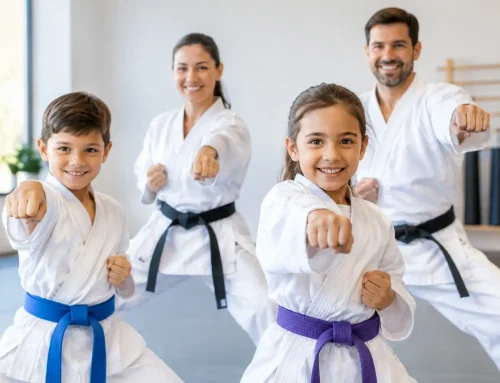
For children, regular class attendance can create a reassuring rhythm. They know where to stand, how to greet their instructor, when to focus, and how to work with classmates. That predictability can be especially helpful for kids who are navigating social pressure, academic stress, or a recent change at home.
Adults benefit from consistency for a different reason. Training can become protected time to move, breathe, learn, and reconnect with their own capabilities. It may not replace therapy, medical care, or a full fitness plan, and it should not claim to. Still, a weekly class can be a powerful part of a healthier routine.
The best schedule depends on the student. One class a week may be the sustainable starting point for a busy family. Two or three sessions may suit someone preparing for a personal goal or seeking more physical conditioning. Starting small and staying committed usually produces better results than starting too hard and quitting quickly.
The Community Benefit Reaches Beyond the Mat
A nonprofit martial arts school can become a small but meaningful part of a stronger neighborhood. Students meet people across ages and backgrounds. Parents have a place to connect. Teens may find mentors who expect the best from them without demanding perfection. Adults can train alongside people who value progress over ego.
That sense of belonging is especially valuable when martial arts is offered alongside other enriching activities. A student who enters through an interest in magic and illusions, for example, may discover a community that also encourages confidence, presentation skills, discipline, and service. Different interests can lead people toward the same deeper goal: becoming more capable and well-rounded.
At OC Training Studio, the nonprofit model supports that wider vision. Training is meant to strengthen the individual while making room for the family and community around them. It is an approach that sees martial arts not as a luxury reserved for a few, but as a meaningful resource for many.
Questions to Ask Before You Join
Before enrolling, visit if possible and pay attention to how the room feels. Are instructors attentive? Do current students treat one another with respect? Are beginners given direction instead of being left to figure things out alone? A warm welcome is a good sign, but consistent organization matters just as much.
Ask about the age range and experience level of the class, how safety is managed, what equipment is needed, and whether there are options for financial assistance. If your child has a specific concern, such as bullying, low confidence, trouble focusing, or discomfort with physical contact, share it privately. A caring instructor will not promise instant change, but they should be able to explain how they would support your child.
Also ask what progress looks like. Belt advancement can be motivating, yet it should reflect real learning, effort, and readiness. A program that celebrates character, attendance, and steady improvement alongside technical skill is more likely to serve students for the long term.
The right martial arts program does not ask a family to become someone else before they belong. It gives each student a place to begin, people who will guide them, and meaningful reasons to keep growing one class at a time.