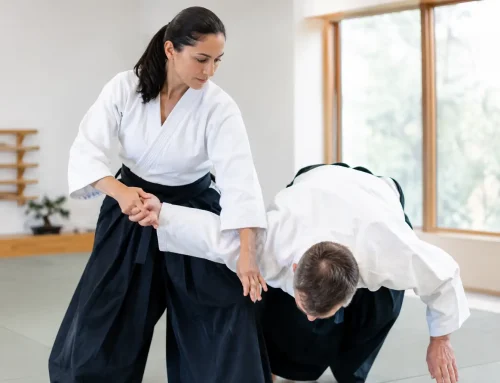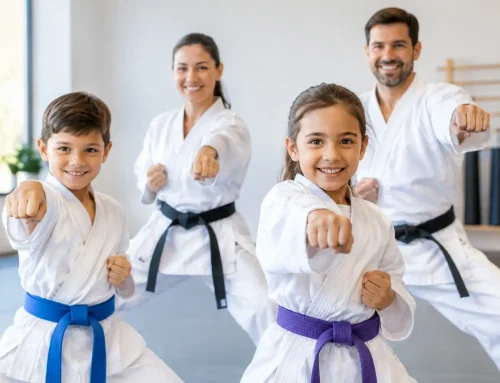
A child who barely speaks above a whisper may volunteer to demonstrate a stance after a few weeks of practice. An adult who has spent years putting personal goals last may leave class feeling stronger, clearer, and more capable. Those moments are why in person enrichment classes matter. They create room for people to be seen, coached, encouraged, and challenged in ways a screen or solo routine rarely can.
For families and adults, the best class is not simply an activity that fills an hour. It is a consistent place to build confidence, learn useful skills, form healthy relationships, and practice showing up even when something feels new or difficult.
More Than a Class on the Calendar
Enrichment is sometimes treated as an extra – something nice to do after the serious work of school, jobs, and responsibilities. In reality, well-led classes can support the skills that make everyday life more manageable: focus, communication, emotional control, perseverance, and respect for others.
Martial arts offers a clear example. Students practice awareness, balance, movement, and practical self-defense, but they also learn how to listen, take correction, and make thoughtful decisions under pressure. A beginner does not need to arrive athletic, flexible, or fearless. Progress starts with willingness, then grows through steady practice.
Magic and illusion classes offer a different, equally meaningful kind of development. Learning a trick requires patience, hand control, presentation, and the courage to perform in front of others. A student may begin by practicing quietly at home, then eventually share a routine with family, classmates, or new friends. That shift from hesitation to expression can be powerful.
The value is not limited to the finished technique, belt, or performance. It lives in the process of learning something difficult alongside people who want to see you succeed.
Why In Person Enrichment Classes Create Lasting Growth
Online learning can be useful, especially when distance, scheduling, or access makes gathering difficult. It can introduce a skill, provide flexibility, and help students maintain momentum between sessions. But some forms of growth depend on being in the room.
In person enrichment classes provide immediate, human feedback. An instructor can notice when a student is confused, discouraged, overly tense, or ready for a greater challenge. They can adjust a stance, demonstrate a movement from another angle, slow down an explanation, or offer encouragement at exactly the right moment.
That kind of guidance is especially valuable in martial arts and self-defense. Safe practice requires supervision, appropriate boundaries, and partners who learn how to work with care. Students gain confidence not by being pushed into situations they are unprepared for, but by building skills step by step in a structured environment.
Face-to-face classes also strengthen social confidence. Children learn how to take turns, work with peers, recover from mistakes, and speak respectfully. Teens get a place to develop identity outside of academic pressure and social media. Adults have an opportunity to connect with others around a shared goal, without needing to be the most experienced person in the room.
Belonging does not happen automatically just because people share a space. It grows when instructors set a respectful tone and students are welcomed at their own level. That is the difference between a class that feels intimidating and one that becomes part of someone’s support system.
A Safer Place to Practice Confidence
Confidence is often misunderstood as being loud, dominant, or naturally talented. Real confidence is quieter. It is knowing that you can try, learn, ask for help, and respond with purpose when something does not go as planned.
For children, this can make a real difference in how they handle peer pressure, bullying, and unfamiliar situations. A quality martial arts program should teach more than physical techniques. It should reinforce awareness, boundaries, de-escalation, and the importance of getting help from trusted adults. The goal is not to create aggression. The goal is to help students carry themselves with calm strength.
For adults, practical self-defense training can replace some of the uncertainty that comes with feeling unprepared. The experience is not about living in fear. It is about developing awareness, fitness, and options while practicing in a supportive setting.
Shaolin Kempo Karate can be especially meaningful for families because it brings together striking, movement, self-defense concepts, and personal discipline in one connected system. Jiu-Jitsu techniques are part of that broader Shaolin Kempo Karate system, taught as part of a well-rounded approach rather than as an isolated experience. Students can grow at a pace that respects both safety and individual goals.
The Right Class Meets People Where They Are
Not every student wants the same outcome, and that is a strength, not a problem. One child may need an encouraging outlet for extra energy. Another may benefit from practicing social skills in a predictable group setting. A teen may want greater self-assurance. An adult may be looking for movement, stress relief, practical safety skills, or a renewed sense of purpose.
The right instructor does not force every person into the same mold. They provide structure while recognizing that each student begins somewhere different. Beginners deserve clear instruction and patience. More experienced students deserve opportunities to deepen their skills and serve as positive examples for others.
Parents can look beyond a class description and ask a few meaningful questions. Is the environment welcoming to beginners? How are safety, respect, and discipline taught? Do instructors communicate clearly with families? Is progress measured only by performance, or also by effort, focus, and character?
Adults can ask similar questions. Will this program challenge me without making me feel out of place? Can I learn at a sustainable pace? Does the culture feel encouraging rather than competitive? A good answer often comes from visiting, observing how people treat one another, and noticing whether students leave class feeling energized and supported.
Consistency Builds What Motivation Cannot
The first class can feel exciting. The fifth may feel awkward. The twentieth is where many people begin to recognize their own growth.
That is why consistency matters more than perfection. Missing a move, forgetting a sequence, or feeling nervous before a performance does not mean someone is failing. Those are normal parts of learning. Returning to practice teaches a lesson that carries into school, work, relationships, and personal goals: improvement comes from continuing.
Families often feel pressure to find the single perfect activity. A better goal is to find a healthy environment that a child or adult can return to with interest and trust. The schedule needs to be realistic. The cost needs to be manageable. The class should feel challenging enough to inspire growth, but not so overwhelming that students dread attending.
This is where community-centered programs can make a difference. At OC Training Studio, the focus is on accessible, in-person learning that supports the whole person – physical health, confidence, discipline, creativity, and connection. A nonprofit-minded, pay-what-you-can approach can help more people participate in experiences that might otherwise feel out of reach.
Growth Has a Ripple Effect
A class may begin with learning how to stand, move, focus, or perform a simple illusion. Over time, those skills travel outward. A child may speak up more confidently at school. A teen may become a steadier friend. An adult may feel more comfortable setting boundaries or trying something unfamiliar.
The strongest enrichment programs do not promise instant transformation. They offer something more valuable: regular opportunities to practice becoming stronger, kinder, more capable, and more connected. Find a class where progress is celebrated, questions are welcome, and every person has room to grow.