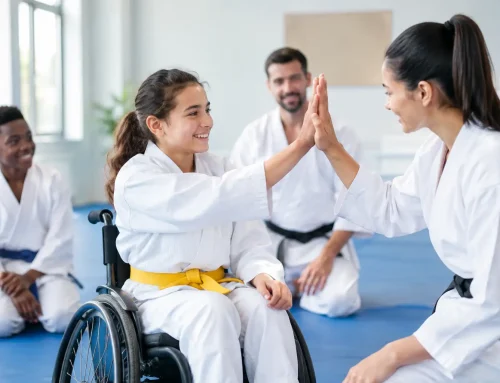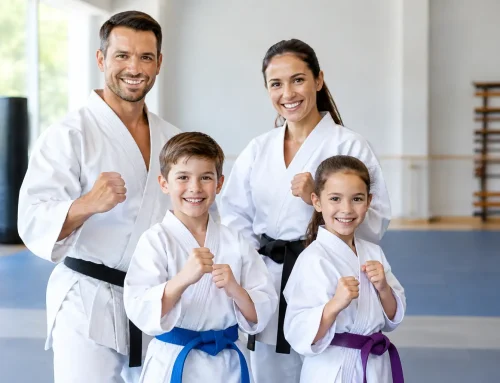
A student who remembers to bow before stepping onto the mat is practicing more than a tradition. They are learning to pause, pay attention, respect the space around them, and follow through. That is why families often look for the best martial arts for discipline when a child needs more focus, an adult wants healthier routines, or someone simply wants a more grounded way to grow.
Discipline is not about being harsh with yourself or expecting instant perfection. It is the ability to keep showing up, listen with care, practice the basics, and recover after a hard day. The right martial art can make those habits feel meaningful because every class offers a new chance to try again.
What Discipline Looks Like on the Mat
In martial arts, discipline is built through small, repeatable actions. Students arrive on time, prepare their uniforms or training clothes, greet instructors and classmates respectfully, and give their attention to the lesson. They practice a movement many times, even when it is not yet easy or exciting.
For children, this structure can support skills that carry into school, friendships, and home life. They learn to wait for directions, manage frustration, set goals, and use their energy with purpose. For teens and adults, training can become a dependable commitment in a busy week – one place where progress comes from patience rather than quick fixes.
Still, no style creates discipline by itself. A caring instructor, a safe class environment, and a program that meets the student where they are matter just as much as the name of the art. The best choice is the one a person can enjoy and attend consistently.
Best Martial Arts for Discipline: Finding the Right Fit
Different martial arts develop discipline in different ways. Some emphasize clear forms and rank goals. Others teach calm movement, body awareness, or thoughtful partner work. Each can be valuable, depending on a student’s age, personality, needs, and comfort level.
Shaolin Kempo Karate: Structure, Goals, and Practical Skills
Shaolin Kempo Karate is often a strong fit for students who benefit from clear expectations and visible progress. Classes commonly include warm-ups, stances, strikes, blocks, forms, self-defense applications, and respectful training routines. That predictable structure helps students understand what is expected of them while giving them concrete skills to improve over time.
Rank advancement can be especially motivating when it is presented as a personal goal rather than a race against classmates. A new belt is not simply a reward for talent. It represents attendance, effort, listening, resilience, and growth in both skill and character.
Shaolin Kempo can also include Jiu-Jitsu-based elements within its broader system, helping students explore close-range self-defense alongside striking and movement. This variety can keep training engaging while reinforcing an important lesson: discipline means staying present whether a skill feels familiar or new.
This style may be a particularly good match for children who thrive with routine, teens looking for confidence and direction, and adults who want practical training with a strong foundation in respect.
Aikido: Calm Responses Under Pressure
Aikido teaches students to use balance, timing, redirection, and awareness rather than meeting force with force. Its lessons in calmness can be powerful for people who want to become less reactive when faced with conflict, stress, or frustration.
Discipline in Aikido often shows up in the details. Students learn to move carefully with partners, pay attention to safety, and stay aware of their own body position. They cannot simply rush through a technique. They must listen, cooperate, and practice with control.
For a child who needs support managing big feelings, or an adult who wants a more thoughtful relationship with stress, this approach can be deeply valuable. It is not about avoiding challenges. It is about learning that composure is a skill that can be practiced.
Tai Chi and Qi Gong: Focus Through Slow, Intentional Practice
Some people picture discipline as high-energy drills and intense workouts. Tai Chi and Qi Gong offer a different path. Their slower, deliberate movements ask students to concentrate on posture, breathing, balance, and coordination.
That slower pace is not an easier option. It asks students to notice what their body is doing and resist the urge to rush. Over time, this can improve body awareness, patience, and the ability to settle the mind after a demanding day.
Tai Chi and Qi Gong can be wonderful for adults seeking wellness, older beginners, or anyone who feels intimidated by more physically intense martial arts. They are also useful complements for active students who need to learn that strength includes breathing steadily, moving with control, and knowing when to slow down.
Mixed Martial Arts: Consistency and Humility
Mixed Martial Arts, often called MMA, can build discipline through its variety and physical challenge. Training may involve conditioning, footwork, striking, defensive movement, controlled partner drills, and skill development across different ranges. Students quickly learn that improvement is earned through regular practice.
MMA can be an excellent choice for teens and adults who enjoy energetic training and want a strong fitness component. It also teaches humility. Everyone has something to learn, and even experienced students must return to fundamentals again and again.
The trade-off is that MMA may feel more demanding or intimidating for someone who is brand new to martial arts, especially if they are looking for a gentler introduction. A supportive, safety-focused class makes all the difference. Students should never feel pressured to prove themselves through unsafe contact or competition.
The Teaching Environment Matters More Than the Label
Parents sometimes spend weeks comparing styles while overlooking the most important question: What happens in the room when a student makes a mistake?
A discipline-centered program corrects students with patience and clarity. It holds standards while recognizing that every child, teen, and adult learns at a different pace. Instructors should model the same respect, self-control, and encouragement they hope students will develop.
Look for classes where beginners are welcomed, safety is treated seriously, and progress is measured by more than athletic ability. A student who once struggled to make eye contact, follow a direction, or return after a difficult class may be making enormous progress. Those wins deserve to be seen.
At OC Training Studio, martial arts are approached as a pathway to confidence, health, safety, and belonging. The goal is not to create the toughest person in the room. It is to help people become more capable, respectful, and connected to their community.
How to Help Discipline Last Beyond Class
The benefits of training grow when families and students make space for them outside the studio. This does not require turning home into a second dojo. A few simple habits can help lessons take root.
Start by treating class attendance as a commitment. Pack training clothes ahead of time, leave enough time to arrive calmly, and avoid framing class as a punishment for bad behavior. Martial arts work best as a positive routine: a place where students can reset, learn, and build confidence.
After class, ask questions that go beyond, “Did you win?” Try asking what was challenging, what they practiced more than once, or how they helped a partner. These questions teach students to value effort, awareness, and kindness alongside physical skill.
Adults can use the same approach. Notice the small changes: choosing to attend class after a tiring day, breathing before reacting to stress, or practicing a difficult movement without giving up. Discipline rarely arrives as one dramatic transformation. More often, it is built quietly through choices that become habits.
Choose a Practice Worth Returning To
The best martial art for discipline is not necessarily the most intense, traditional, or popular one. It is the practice that gives a student enough challenge to grow, enough support to feel safe, and enough meaning to keep coming back.
A child may find focus through the clear routines of Shaolin Kempo Karate. A teen may gain confidence through the physical commitment of MMA. An adult may rediscover calm through Tai Chi, Qi Gong, or the balanced movement of Aikido. The starting point can be different for everyone.
What matters is finding a welcoming place where effort is noticed, mistakes become lessons, and every student is reminded that growth is possible one class at a time.