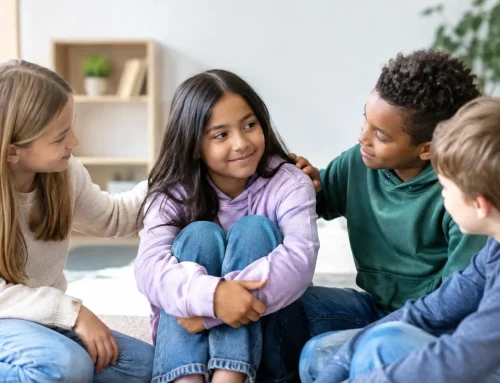
A child who has been bullied may start turning down invitations, going quiet after school, or saying they are “fine” when their body language says otherwise. The best activities for bullied children are not distractions that ask them to forget what happened. They are steady, supportive places where a child can feel capable again, connect with kind peers, and practice using their voice.
No activity can solve bullying on its own. Families may also need to speak with school staff, document repeated behavior, seek counseling, or make a safety plan. But the right activity can give a child something bullying tries to take away: the belief that they belong and have choices.
What an activity should give a bullied child
The goal is not to keep a child busy every afternoon. A good program should offer predictable structure, caring adult guidance, and opportunities for small, visible progress. Children often rebuild confidence through experience, not through being told to “be confident.” Learning a new stance, performing a trick, helping a teammate, or returning after a difficult day can become real evidence of their strength.
Look for an environment where instructors know children by name, correct behavior calmly, and do not reward teasing, humiliation, or aggressive competition. Ask how the program handles conflict, whether beginners are welcomed, and how children are grouped by age and readiness. A child who has been targeted may need time to observe before joining in fully. That is not failure. It is a reasonable need for safety.
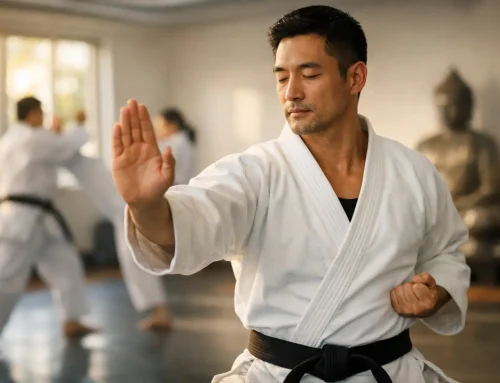
Best activities for bullied children: martial arts
A well-taught martial arts program can be especially meaningful because it pairs physical confidence with self-control. Children practice posture, awareness, boundaries, and respectful communication in a structured setting. They also learn that strength is not about picking fights or proving something to others. It is about making safe decisions and knowing when to get help.
Shaolin Kempo Karate, for example, can introduce age-appropriate self-defense skills while emphasizing discipline, focus, and respect. Its training can include elements of Jiu-Jitsu as part of the larger system, helping students understand balance, movement, and how to respond calmly if someone gets too close. The lesson should always be clear: physical skills are a last resort for immediate safety, never a license to retaliate.
For some children, martial arts is helpful because progress is personal. A child does not need to be the fastest, loudest, or most athletic person in the room to improve. They can build skill one class at a time. Belts and other milestones may be motivating, but the deeper value is seeing themselves show up, learn, and grow.
Aikido and Tai Chi can be thoughtful options for children who are anxious about high-contact training. Their focus on balance, body awareness, calm movement, and control may feel less intimidating at first. The best fit depends on the child. Some feel empowered by an energetic class; others need a quieter starting point.
Creative activities that make room for a child’s voice
Bullying can leave children feeling defined by someone else’s words. Creative activities give them a chance to make choices, tell stories, and be recognized for something they create. Magic and illusions can be particularly powerful because they invite curiosity, presentation, practice, and a little bit of joyful surprise.
When a child learns a magic routine, they are not only learning a trick. They are practicing patience, following steps, recovering from mistakes, and standing in front of others with a purpose. A shy child might begin by showing a trick to one family member, then a friend, then a small group. Those manageable moments of bravery matter.
Creative programs are also useful when a child is not ready to talk directly about bullying. They offer connection without pressure. An encouraging instructor can notice effort, celebrate improvement, and help a child feel seen for more than the problem they are carrying.
Team-based activities with the right culture
Group activities can help children make friends outside the social circle where bullying occurred. Yet the culture matters more than the activity name. A team that tolerates put-downs, harsh coaching, or exclusion can deepen a child’s fear. A group that teaches cooperation and kindness can create a fresh start.
Consider programs built around shared goals rather than constant comparison. Community service projects, supervised youth clubs, cooperative games, and beginner-friendly performance groups can all encourage connection. The child should not be forced to become instantly social. Simply being around respectful peers, week after week, can make friendship feel possible again.
Parents can help by choosing one activity at a time. Overloading a child’s schedule in an effort to “fix” the situation may create more stress. It is often better to try a class, check in afterward, and listen closely. Ask, “Did you feel comfortable there?” or “Was there a moment you enjoyed?” instead of asking whether they made friends right away.
Activities that support emotional regulation
Bullying can put a child’s nervous system on high alert. They may become jumpy, angry, withdrawn, or exhausted. Activities that involve breathing, rhythm, mindful movement, or gradual physical challenge can help children notice what is happening in their bodies and settle themselves without shame.
Tai Chi and Qi Gong are gentle practices that can support balance, breathing, concentration, and calm. They are not replacements for mental health care when a child is struggling, but they can become useful tools alongside family support and professional guidance. A child who learns to pause, breathe, and ground themselves has another option when worry rises.
Physical activity also helps many children release stress in a healthy way. The key is consent and pacing. Some children want to hit pads, move fast, and feel their energy shift. Others may feel overwhelmed by loud rooms or unexpected contact. A compassionate instructor will offer adjustments rather than treating every child the same.
How parents can help an activity become a safe landing place
The first few weeks matter. Let the instructor know, privately and briefly, that your child has had a difficult social experience. You do not need to share every detail. A simple note such as, “They may be nervous around new groups and could use a patient introduction,” gives a caring instructor useful context.
Avoid making attendance another test your child has to pass. Encourage consistency, while leaving room for honest feedback. If the program feels unsafe, dismissive, or overly intense, it may not be the right match. The best activity is one your child can return to with growing comfort, not one that looks impressive from the outside.
At OC Training Studio, children can find beginner-friendly martial arts and magic instruction designed around personal growth, safety, and community. In-person classes can offer the consistency of familiar faces, while Zoom options may be a gentler first step for some families.
Confidence grows through belonging
A bullied child does not need to become tougher in the way people sometimes mean it. They need adults and peers who show them that respect is normal, boundaries matter, and growth is possible. The right class will not erase a hard experience, but it can become a place where a child remembers they are more than what happened to them.
Choose an activity that gives your child room to learn, laugh, move, and be treated with care. One positive room, one trusted mentor, and one new skill can be a meaningful beginning.