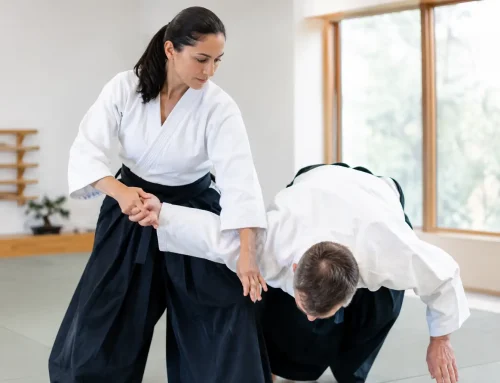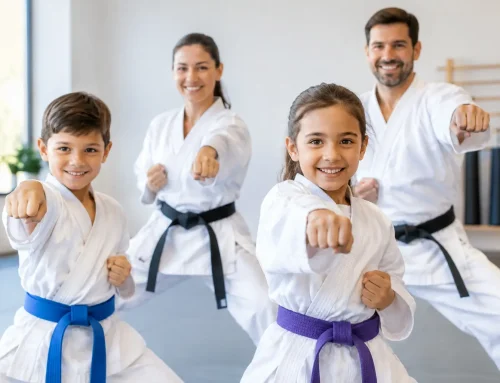
A good martial arts class should feel less like a test of who you already are and more like a place where you can grow. When families ask how to choose martial arts classes, the answer is not simply “pick the closest school” or “choose the style with the toughest reputation.” The right program can help a child stand taller, give a teen a healthy outlet, or help an adult feel more capable and connected. The wrong fit can make training feel intimidating, rushed, or impossible to sustain.
The best choice begins with the outcome you want, then looks closely at the people, teaching, and culture that will support that goal.
Start With the Reason You Want to Train
Martial arts can serve many purposes, and being clear about yours makes every decision easier. A parent may be looking for structure, confidence, social skills, or positive anti-bullying support for a child. A teen may want a challenge that builds discipline without adding more pressure. An adult may be interested in practical self-defense, improved fitness, stress relief, or a meaningful activity outside of work.
There is no wrong reason to begin. But different goals call for different class environments. A program built around intense competition may be exciting for someone who wants to compete, while a beginner seeking wellness and personal confidence may do better in a more balanced, supportive setting.
Talk honestly about what success would look like after a few months. It might be speaking up more clearly, learning to focus, building healthy routines, feeling safer, or simply finding a community where you are known and encouraged. Those outcomes matter just as much as learning techniques.
How to Choose Martial Arts Classes for Your Goals
Once you know why you want to train, look at how each school describes its classes. Style matters, but the way a program is taught matters even more.
A well-rounded martial arts program should develop physical skill alongside character. Students can learn balance, coordination, awareness, and practical self-defense while also practicing patience, respect, perseverance, and self-control. For children especially, these lessons should be part of the class experience, not just words posted on a wall.
Ask what a typical class includes. Is there a thoughtful warmup? Do students practice movement and techniques safely? Are they given time to improve through repetition? Does the instructor explain why a skill matters? Classes that offer clear structure tend to help beginners feel secure while giving experienced students room to progress.
It also helps to understand that no style is automatically best for everyone. Shaolin Kempo Karate, for example, can offer a broad foundation in movement, striking, self-defense, and discipline. Tai Chi and Qi Gong may appeal to people seeking mindful movement, mobility, and stress relief. Women’s self-defense programs can provide focused, practical preparation in an encouraging group setting. The best choice depends on your needs, comfort level, and willingness to keep showing up.
Watch a Class Before You Commit
A class observation or trial visit can tell you more than a polished description ever will. Look beyond the skills being practiced and pay attention to the atmosphere.
Notice how the instructor speaks to students. Good coaching is clear and confident without being humiliating or aggressive. Corrections should help students improve, not make them afraid to make a mistake. In a strong youth program, instructors set expectations while still recognizing effort, age, and individual learning needs.
Watch how students treat one another, too. Are beginners welcomed? Do older or more experienced students help create a positive example? Is there room for questions? A healthy martial arts community can be challenging and disciplined while remaining kind.
Safety should be visible, not assumed. Students should have enough space to practice, appropriate supervision, and instruction that matches their age and experience. Training may include controlled contact, depending on the class, but nobody should be pressured beyond what is appropriate for their skill level. A responsible school teaches awareness, boundaries, and control from the first lesson.
Look for Teaching That Meets Students Where They Are
The strongest instructors do not teach every student exactly the same way. They know that a shy six-year-old, a busy teenager, and a beginner adult may all need different kinds of encouragement.
For children, ask how the school groups students by age and ability. Young students benefit from classes that keep them moving, use clear expectations, and make learning feel achievable. They should leave feeling proud of their effort, not overwhelmed by comparison. Parents should also be able to understand what their child is learning and how the program supports growth beyond the mat.
Teens often need a place where they can build confidence without having to pretend they already have it. Martial arts can offer goals, accountability, and mentorship at a time when social pressure can feel especially heavy. Look for an environment that respects teens, gives them responsibility, and helps them develop real resilience.
Adults deserve beginner-friendly instruction, too. You do not need to be flexible, athletic, or experienced to start. A good program offers modifications when needed and teaches fundamentals without making newcomers feel behind. The goal is steady progress, not proving yourself on day one.
Ask About the Path Forward
Before enrolling, find out what progression looks like. Belts, ranks, and skill milestones can be valuable because they give students tangible goals and a reason to stay committed. Still, advancement should reflect consistent learning, attendance, effort, and character, not just a payment schedule.
Ask how often students are evaluated, what they are expected to know, and whether there are additional costs for uniforms, testing, or special events. Clear answers are a sign of respect for families. Martial arts should be accessible enough to become a lasting practice, not a source of financial surprises.
Scheduling matters just as much. A great class that conflicts with school, work, or family responsibilities can quickly become stressful. Choose a schedule you can realistically maintain. Consistency is where confidence grows, and one or two dependable classes each week can be more meaningful than an ambitious plan that fades after a month.
Consider the Community, Not Just the Curriculum
People often stay in martial arts because of the relationships they build. The class becomes a place to work hard, laugh, learn, and be encouraged by others who are also growing.
That sense of belonging is especially valuable for families. A community-centered studio can give children positive role models, help parents feel supported, and welcome adults who want to improve without entering a status-driven gym culture. At OC Training Studio, the focus is on helping people become more confident, capable, and well-rounded through accessible instruction and caring mentorship.
Ask yourself whether the school’s values feel genuine. Does it speak about respect, safety, and growth in a way you can see in action? Does it welcome beginners and make room for different abilities? Is the environment focused only on winning, or does it recognize progress, service, and personal responsibility?
The answers shape the experience far beyond any individual technique.
Give Yourself Permission to Be New
Many people delay martial arts because they worry they will be out of place. Parents may wonder whether their child has enough focus. Adults may think they should get in shape first. Teens may worry that everyone else will be more experienced.
A supportive class makes room for that uncertainty. Starting as a beginner is not a weakness. It is the first step toward learning how strong, focused, and capable you can become.
Choose a class that invites you to show up as you are, then gives you the guidance to grow from there. The right training space will challenge you with care, celebrate real effort, and remind you that confidence is built one class at a time.