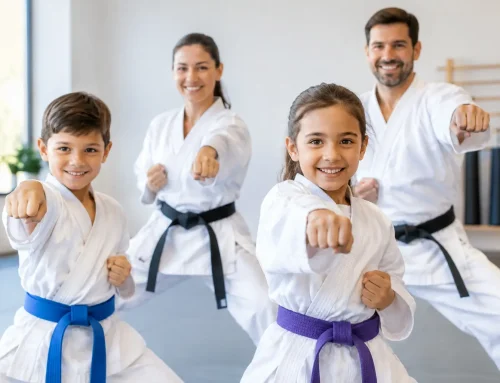
A child who speaks up after being teased. A teen who can focus through a challenging school day. An adult who feels steadier, stronger, and more aware while walking to the car at night. These are the everyday wins that make karate training meaningful. It is not about becoming the toughest person in the room. It is about developing the skills and self-belief to move through life with greater confidence.
At its best, karate gives people a place to practice effort, respect, and resilience alongside others who want to grow. For families, that makes training more than another activity on the calendar. It becomes a healthy routine with benefits that carry into home, school, work, and the wider community.
What Karate Training Builds Beyond Technique
Punches, blocks, stances, and movement patterns are part of karate, but they are only one layer of the experience. Every class also asks students to listen closely, follow directions, manage frustration, and keep trying when a skill does not come easily. Those habits matter whether someone is five or fifty.
For children, a structured class can provide a positive outlet for energy while teaching them how to use their bodies with control. They learn that strength includes knowing when to step back, ask for help, or use a clear voice. This is especially valuable for parents looking for anti-bullying support. Training cannot prevent every difficult social situation, but it can help children carry themselves with more awareness and respond without panic.
Teens often benefit from having a supportive place that is separate from the pressures of school and social media. Karate offers real, visible progress. A student may begin unable to hold a balanced stance or remember a short sequence, then gradually see that steady practice changes what feels possible. That lesson can be deeply encouraging during years when confidence is still taking shape.
Adults come to class for different reasons: fitness, stress relief, practical self-defense, or the wish to try something they have put off for years. The right program meets beginners where they are. Nobody needs to arrive flexible, athletic, or experienced to begin. Consistency matters far more than having a perfect starting point.
A Safe Approach to Karate Training and Self-Defense
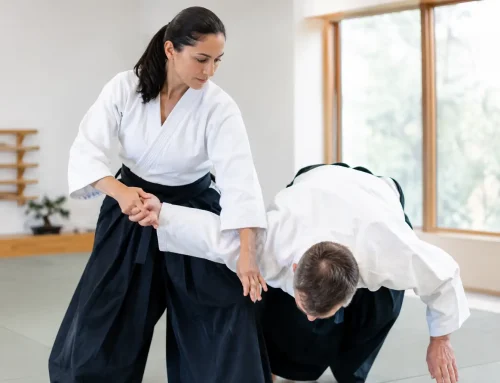
Practical self-defense is a valuable part of martial arts education, but it should never be taught as fear or aggression. Good instruction begins with awareness, boundaries, and avoidance. Students learn to notice their surroundings, create space, use their voice, and seek help when a situation feels unsafe.
Physical techniques have a place, particularly when escape is necessary, yet responsible training puts safety first. A quality class teaches control, respect for partners, and the difference between practice and real-life decision-making. Students should understand that the goal of self-defense is to get to safety, not to win an argument or prove something.
This approach helps families feel more comfortable with martial arts. Children are not being encouraged to fight. They are learning confidence with responsibility. Adults are not being promised an unrealistic guarantee of safety. They are building useful skills, awareness, and calmer reactions under pressure.
Why the Right Class Environment Matters
Not all martial arts programs feel the same. Some centers are built around intense competition, while others focus on personal development, wellness, and community. Neither path is automatically wrong, but the best fit depends on the student.
A child who is shy may thrive with patient encouragement and clear routines. A teen who needs a healthy challenge may respond well to goal setting and leadership opportunities. An adult with joint concerns may need instructors who offer thoughtful adjustments rather than a one-size-fits-all workout. The class environment should make room for those differences.
Look for an instructor who treats questions with respect, explains expectations clearly, and pays attention to safety. Students should be challenged, but they should not feel humiliated for making mistakes. Progress is built through repetition, feedback, and trust.
Community matters, too. When students are welcomed by name and encouraged to support one another, they are more likely to keep showing up. That consistency is where physical and personal growth begins to compound. A single class can feel good. Months of training can reshape routines, posture, confidence, and relationships.
What a First Karate Class May Feel Like
Beginning something new can feel intimidating, especially for someone who worries about being behind. Most first classes are simpler than people expect. Students are introduced to basic positions, movement, listening skills, and class etiquette. They may practice a few strikes or blocks, often with a focus on form and control rather than speed or power.
It is normal to feel uncoordinated at first. Martial arts ask the body and mind to work together in new ways. The goal is not to get every movement right on day one. It is to be present, stay teachable, and return for the next class.
Parents can help by framing the first visit as an opportunity to learn rather than a test to pass. Comfortable clothing, water, and a willingness to participate are usually enough to get started. For adults, the same rule applies: leave room to be a beginner. Confidence often follows action, not the other way around.
A Well-Rounded Path Through Shaolin Kempo Karate
At OC Training Studio, Shaolin Kempo Karate provides a broad martial arts foundation that can include striking, movement, self-defense awareness, and elements of jujutsu within the system. This gives students a chance to understand more than one range of movement while still following a connected learning path.
That variety can be especially helpful for students who are unsure what they will enjoy most. Some connect with the focus of forms and traditional practice. Others appreciate partner drills, practical applications, or the physical challenge of a full class. A balanced program can honor each of those interests without losing sight of safety, character, and individual growth.
Training may also complement other goals. A student working on confidence can practice speaking clearly during drills. Someone managing stress can benefit from the focused rhythm of movement and breathing. A family seeking more connection may find that attending classes together creates a shared language of encouragement and goal setting.
Making Training a Sustainable Family Habit
The best schedule is the one a family can realistically maintain. Starting with one or two classes a week often gives beginners enough time to learn without turning training into another source of pressure. As skills and enthusiasm grow, students can decide whether they want to add more practice.
At home, keep encouragement specific. Instead of asking only whether class was fun, ask what felt easier this week, what was challenging, or how a student helped a partner. Celebrate attendance and effort, not only belts or visible achievements. Those conversations reinforce the deeper value of training.
Affordability also matters. Families deserve access to positive instruction without feeling that personal growth is out of reach. A community-centered studio with flexible, welcoming options can make it easier for more people to participate and stay involved.
Karate does not ask anyone to become someone else. It gives each student a place to stand a little taller, practice with purpose, and discover what patient effort can build. The first step may be small: walk into class, meet the community, and give yourself or your child permission to begin.