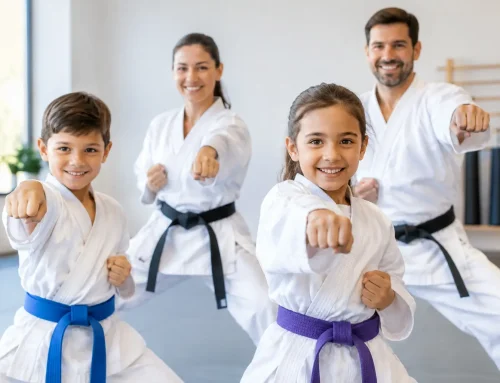
A child who feels nervous at school may not need another activity that asks them to perform. They may need a place where a caring instructor learns their name, teaches them how to stand tall, and helps them practice handling difficult moments with calm. Adults need that, too. The best affordable martial arts programs make room for real life: changing schedules, family budgets, beginner nerves, and goals that go far beyond earning a belt.
Martial arts should not be reserved for people who can commit to expensive contracts, buy every new uniform, or train like a professional athlete. For families and adults, accessible instruction can become a steady source of confidence, movement, connection, and practical safety skills. The question is not simply, “What is the lowest price?” It is, “What kind of growth will this program make possible?”
What Affordable Martial Arts Programs Should Offer
Affordability is about more than a monthly number. A low-cost class is not truly a good value if students receive little guidance, feel unsafe, or leave without a sense of progress. Meaningful programs balance reasonable access with thoughtful instruction, clear expectations, and a welcoming culture.
Look for a school that treats beginners with respect. A first class can feel intimidating, especially for a child who is shy, a teen navigating social pressure, or an adult returning to exercise after years away. Instructors should explain movements clearly, offer modifications when needed, and celebrate effort along with achievement.
A well-rounded program also teaches skills that carry into daily life. Students may improve coordination, flexibility, strength, and balance, but the deeper benefits are often emotional and social. They learn how to listen, set goals, recover from mistakes, respect boundaries, and speak with greater confidence. Those outcomes matter just as much as a strong kick or a precise stance.
Why Cost Should Not Be the Only Decision
Every family has a budget, and there is nothing wrong with making cost a major factor. Still, the cheapest option is not always the most sustainable one. Before enrolling, ask what the fee covers, whether uniforms or testing costs are required, and how much flexibility the program offers when a family’s needs change.
It also helps to consider the value of consistent mentorship. A positive instructor can become an encouraging adult presence in a child’s life. For adults, a supportive training group can make it easier to keep showing up, even on weeks when motivation is low. A class that creates belonging is more likely to become a healthy habit rather than another short-lived commitment.
Nonprofit and community-centered models can make a meaningful difference here. When a studio is built around service, accessibility is often part of the mission rather than an afterthought. Pay-what-you-can options, donation-friendly approaches, and a commitment to keeping doors open for more neighbors can help martial arts reach people who might otherwise sit on the sidelines.
Training That Builds Confidence Without Aggression
Some people hear “martial arts” and picture intense competition, loud gyms, or pressure to prove toughness. That environment may appeal to some students, but it is not the only path. Many children, teens, and adults are looking for practical skills in a setting that feels safe, structured, and encouraging.
A strong martial arts class teaches that confidence does not mean acting aggressive. It means knowing how to use your voice, recognize unsafe situations, maintain personal boundaries, and seek help when necessary. It means practicing discipline without shame and learning that self-control is a form of strength.
For children, this approach can support anti-bullying goals in a healthy way. Training does not promise to remove every challenge at school, nor should it encourage children to handle serious bullying alone. What it can do is help them develop awareness, posture, communication skills, and the confidence to involve trusted adults. These are useful tools for navigating social situations with greater resilience.
Women’s self-defense instruction can offer similar value for adults, focusing on awareness, prevention, boundary setting, and practical responses. The goal is not fear. The goal is preparation, personal agency, and the reassurance that students can make thoughtful choices under pressure.
Find the Right Fit for Your Family
The right program depends on the person stepping onto the mat. A high-energy child may benefit from clear structure and opportunities to channel energy with purpose. A quieter child may need patient encouragement and a smaller, more relationship-focused environment. A teen may be drawn to fitness, self-defense, friendship, or the satisfaction of working toward measurable goals. An adult may want stress relief as much as physical conditioning.
Shaolin Kempo Karate is a particularly broad path for students who want practical self-defense alongside personal development. Its training can incorporate a range of skills, including Jiu-Jitsu techniques within the Shaolin Kempo Karate system, while keeping the focus on thoughtful, well-rounded learning. Students are not expected to arrive experienced or athletic. They are invited to build skills over time.
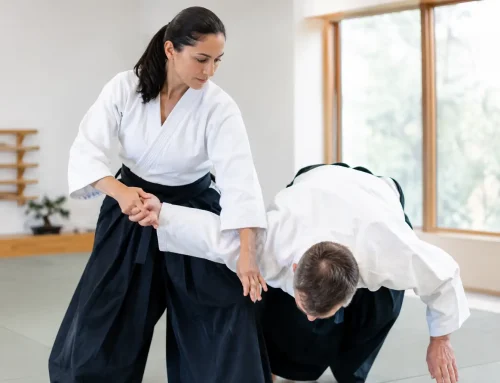
Other practices, such as Aikido, Tai Chi, and Qi Gong, may appeal to people seeking balance, focus, mobility, and a calmer relationship with movement. Mixed Martial Arts can be a fit for students who enjoy a more dynamic training experience, provided the instruction is age-appropriate and grounded in safety and respect. The best choice is the one that matches a student’s goals and makes them want to return.
Questions Worth Asking Before You Enroll
A good conversation with a prospective studio can reveal a great deal. Ask how instructors support beginners, how they group students by age or experience, and how they handle concerns about safety. Find out whether the school emphasizes competition, self-defense, wellness, personal development, or a combination of these.
Parents may also want to ask how instructors communicate about progress. Belt advancement can be motivating, but it should not be the only measure of success. A child who becomes more focused, makes a new friend, or speaks up with confidence has made real progress, even if it cannot be captured on a certificate.
Be honest about logistics, too. A program only helps when it fits into your routine. Ask about class times, attendance expectations, make-up options, and financial flexibility. Affordable access is most meaningful when it allows families to participate consistently without unnecessary stress.
Community Makes Training Last
People often start martial arts for one reason and stay for another. A child may join to learn self-defense but remain because they feel seen. An adult may come for fitness but discover a supportive group that makes the week feel lighter. A family may initially choose a program because it is affordable, then realize they have found a community that values their growth.
That sense of connection is especially powerful in in-person training. Students practice taking turns, giving respect, working through frustration, and encouraging others. They learn that everyone was once a beginner. Over time, the mat becomes a place where challenges are expected, mistakes are normal, and growth is shared.
At OC Training Studio, that community-first approach helps make martial arts feel approachable for families, children, teens, and adults. Training is not about creating fighters for show. It is about helping people become healthier, more confident, more capable, and more connected to the people around them.
Give Growth a Place in the Weekly Routine
The most valuable program is often not the one with the flashiest promises. It is the place where a student can arrive as they are, receive patient guidance, and leave a little stronger in body and spirit. Start with a class that feels welcoming, practical, and possible for your budget. With consistent practice, a small weekly commitment can become a lasting source of courage, health, and belonging.