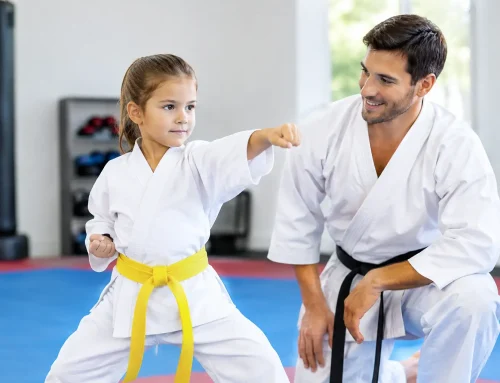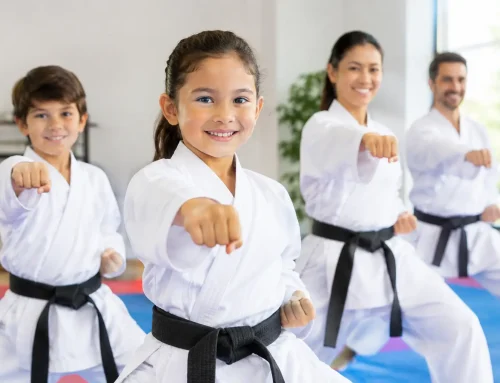
A five-star rating can be encouraging, but it does not tell a parent everything they need to know before their child steps onto a martial arts mat. The most useful safe dojo reviews describe how students are treated, how instructors respond when someone is struggling, and whether the school helps people grow with confidence. For families and adults, those details matter far more than a flashy photo or a long list of trophies.
Martial arts can be a powerful place to build strength, focus, respect, and practical self-defense skills. It can also be a vulnerable first experience for a shy child, a teenager navigating social pressure, or an adult returning to movement after years away. A good review helps you see whether a school understands that responsibility.
What Safe Dojo Reviews Should Actually Tell You
The best reviews do not simply say, “Great class!” They give you a window into the culture of the school. Look for stories about instructors learning students’ names, encouraging beginners, correcting behavior calmly, and making families feel welcome from the first visit.
Specific language is especially helpful. A parent who shares that their child became more confident speaking up at school offers a meaningful outcome. An adult who explains that the class was adjusted for their fitness level tells you something useful about the instructor’s awareness. A review that mentions clear boundaries, respectful training partners, and attentive supervision can say more about safety than a dozen generic compliments.
It also helps to read reviews across several months or years. One enthusiastic comment is nice. A consistent pattern of families describing kindness, structure, patience, and growth is much more reassuring. The goal is not to find a school with no criticism at all. It is to find one where the overall experience reflects care and accountability.
Look Beyond Star Ratings
Star ratings are a starting point, not a final answer. A dojo may have a high rating because it is energetic, convenient, or popular, but safety and belonging require a closer look. Read both the newest reviews and the detailed ones. Notice whether reviewers mention children, beginners, teens, adults, or students with different needs.
Pay attention to the tone of feedback. Do people describe instructors as patient and prepared, or only as tough and intense? Training can absolutely be challenging. Students should work hard, learn discipline, and be held to meaningful standards. Still, challenge should never come with humiliation, intimidation, or pressure to ignore pain and discomfort.
A healthy martial arts program does not need to choose between high expectations and compassion. In fact, the strongest learning often happens when students know they can make mistakes, ask questions, and keep trying without being embarrassed.
Signs of a supportive training culture
When you read safe dojo reviews, positive patterns often include students being welcomed at their own level, instructors giving clear guidance, and classmates helping one another learn. Families may mention improved confidence, better focus, increased self-control, or a child who now looks forward to class.
For adults, reviews may describe practical instruction, a respectful pace, and a community that makes it easier to stay consistent. A beginner should not feel like they need prior experience, a certain body type, or a competitive personality to belong.
Be cautious if multiple reviews celebrate an environment where students are pushed past reasonable limits or where toughness is valued more than good judgment. Martial arts build resilience, but resilience is not the same as ignoring safety. Responsible instruction teaches students when to challenge themselves and when to pause, communicate, or modify an exercise.
Safety Shows Up in Everyday Details
A safe school is not defined by one rule posted on a wall. It is reflected in ordinary moments: how warm-ups are led, how partners are matched, how instructors watch sparring, and how corrections are given. Reviews may not cover every procedure, which is why an in-person visit is so valuable, but they can point you toward the right questions.
During a visit, notice whether instructors can see the whole room and whether students know what is expected of them. Younger students should have age-appropriate instruction, enough structure to stay engaged, and encouragement that does not depend on being the fastest or strongest person in class.
For classes that include partner drills or self-defense techniques, students should be taught control and consent. They need to understand how to practice safely, how to communicate if something feels wrong, and how to respect a partner’s limits. Good instructors do not treat these lessons as an interruption. They make them part of the art.
Cleanliness and organization matter too. A well-kept training space cannot guarantee good teaching, but it signals care. Mats, equipment, waiting areas, and class routines should feel orderly and prepared. Parents should also feel comfortable asking how injuries are handled, what supervision looks like, and how the school addresses bullying or disrespectful behavior.
Reviews Can Reveal How a School Handles Problems
No community is perfect. Children have difficult days. Adults occasionally misunderstand a drill. Conflicts can happen anywhere people learn together. What separates a supportive school is how its leaders respond.
Look for reviews that describe thoughtful communication. Did an instructor listen to a family’s concern? Did the school help a nervous student ease into class? Did staff respond respectfully when a schedule or membership question came up? These moments show whether a program sees students as people rather than numbers.
A single negative review should not automatically rule out a school. Read it carefully and look for context. Is it about a clear issue, such as unexpected fees or poor communication? Does the school’s response take responsibility and offer a path forward? Or does it sound defensive, dismissive, or hostile? A respectful response to criticism can be just as revealing as praise.
Questions reviews cannot answer alone
Even detailed online feedback has limits. Reviews cannot fully show whether your child connects with an instructor, whether the pace is right for your goals, or whether you feel comfortable in the space. That is why a trial class, observation period, or simple conversation is worth your time.
Ask how beginners get started and how students progress. Ask whether instructors adapt activities for different ages and abilities. If your child is dealing with bullying, anxiety, or low confidence, share that concern honestly. A caring program will not promise instant change, but it should be able to explain how it creates a respectful environment where growth is possible.
For adults, be clear about what you want from training. Some people want practical self-defense. Others want better mobility, stress relief, community, or a disciplined way to stay active. A good school will help you find an appropriate path instead of pressuring you into a one-size-fits-all experience.
Choose Belonging Along With Skill
The right dojo should teach more than techniques. It should help students practice courage, patience, awareness, and respect for others. Those lessons become especially meaningful when they are taught in a setting where every student is seen and encouraged.
At OC Training Studio, the goal is to offer martial arts instruction that supports the whole person: physical health, practical skills, confidence, and connection. That kind of mission is worth looking for wherever you train. A school can be demanding while still being welcoming. It can teach discipline while honoring each student’s pace.
As you read reviews, trust the details that show how people feel after class. The right training community leaves students tired in a good way, proud of what they practiced, and eager to return as they become stronger together.