A teen may know exactly what they want to say and still freeze when it is time to join a group, ask a question, or handle an awkward moment. Social skills classes for teens give young people a place to practice those moments before the stakes feel too high. The goal is not to make every teen louder or more outgoing. It is to help them feel capable of connecting with others while staying true to themselves.
For many families, the need becomes clear during a transition: a new school, a conflict with friends, a struggle with bullying, or a teen who seems confident online but withdrawn face-to-face. Supportive classes can turn social growth into something active, encouraging, and real. Rather than being judged for what they have not learned yet, teens get guidance, repetition, and a community that wants to see them succeed.
Why Social Skills Matter Beyond Making Friends
Social confidence affects much more than lunch-table conversations. Teens use social skills when they work on a school project, speak to a coach, set a boundary, meet someone new, or recover from a misunderstanding. They need to read the room without losing their own voice, listen without disappearing, and communicate clearly when emotions are running high.
These skills are also closely connected to safety and self-respect. A teen who can recognize uncomfortable behavior, say no with confidence, and seek help from a trusted adult has useful tools for navigating the world. That does not mean they will never feel nervous or face conflict. It means they are less likely to feel helpless when those moments arrive.
Social development is not one-size-fits-all. Some teens need practice starting conversations. Others are naturally talkative but need help listening, handling frustration, or noticing when someone else needs space. A strong program makes room for different personalities instead of treating quietness as a problem to fix.
What Social Skills Classes for Teens Should Teach
The most meaningful social skills classes for teens do more than lecture about manners or tell students to “be confident.” Teens learn best when they can try a skill, receive kind feedback, and use it again in a new situation. Progress often looks small at first: making eye contact for a few seconds longer, introducing themselves without being prompted, or returning to a group after an awkward exchange.
Communication That Feels Natural
Clear communication includes speaking with an appropriate tone, asking follow-up questions, and sharing an opinion without putting someone else down. It also includes nonverbal habits such as posture, personal space, facial expressions, and paying attention when another person speaks.
Good instruction does not force teens into a scripted personality. Instead, it gives them practical ways to communicate that fit who they are. A thoughtful teen may prefer asking a strong question before sharing. A more energetic teen may need a reminder to pause and invite another person into the conversation. Both are learning how to build mutual respect.
Empathy, Boundaries, and Conflict Skills
Empathy is not mind-reading or agreeing with everyone. It is the ability to consider another person’s perspective, even when there is a disagreement. Teens can practice identifying feelings, responding without escalating, and deciding when a problem should be handled privately, with an adult’s help, or by stepping away.
Boundaries belong in the conversation too. Young people deserve to know that being kind does not require tolerating disrespect, pressure, or bullying. Practicing simple phrases such as “I’m not comfortable with that,” “Please stop,” or “I need a minute” can make a difficult moment easier to manage.
Resilience After Social Setbacks
No class can prevent every rejection, misunderstanding, or friendship change. What it can teach is recovery. Teens benefit from learning that an uncomfortable interaction is not proof that they are unlikeable or that they have failed.
Resilience may mean apologizing when appropriate, asking for clarification instead of assuming the worst, or choosing not to chase a friendship that is consistently hurtful. These are mature skills, and they grow through compassionate practice rather than shame.
Why Active, In-Person Programs Can Help
Conversation-based lessons have value, but social skills become more memorable when teens use them while doing something together. A shared activity gives students a natural reason to communicate, cooperate, take turns, encourage one another, and handle small disappointments. It also takes some pressure off the question, “What am I supposed to say?”
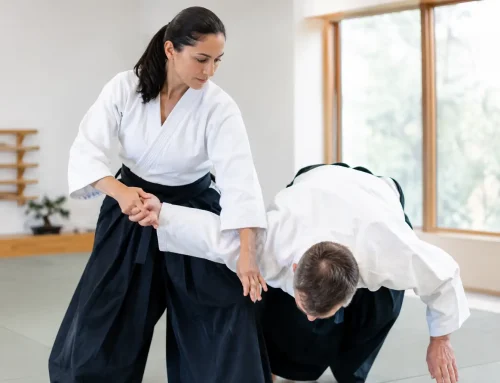
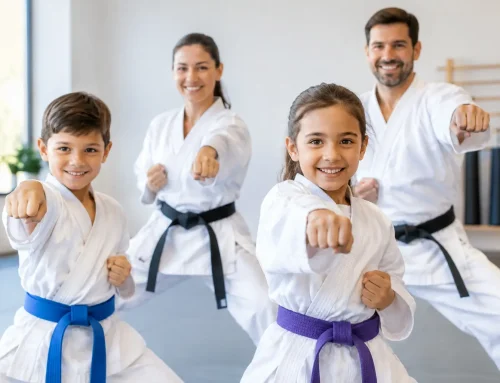
Martial arts training can be especially helpful because it combines structure with connection. Students practice focus, respect, self-control, and partner awareness in a setting where every person is learning. They may work through drills, offer encouragement, follow instructions as a group, and gradually become more comfortable being seen and heard.
The physical side matters, too. Standing with balanced posture, moving with purpose, and learning practical self-defense can support confidence from the inside out. At OC Training Studio, Shaolin Kempo Karate training includes elements such as Jiu-Jitsu within the larger system, giving students opportunities to develop discipline, body awareness, and respectful partner skills without turning the experience into aggressive competition.
Creative activities can create a different kind of social bridge. Magic and illusion practice invites teens to perform, explain an effect, respond to an audience, and learn that a little nervousness can coexist with courage. For a teen who is not ready to speak in front of a large group, sharing a trick with one supportive partner can be a meaningful first step.
How to Choose a Program That Fits Your Teen
The best fit depends on your teen’s needs, interests, and comfort level. A highly social teen who struggles with impulse control may benefit from a structured group with clear expectations. A shy teen may need a smaller, patient setting where participation is encouraged but not forced. A teen dealing with serious anxiety, trauma, or ongoing bullying may also need support from a qualified mental health professional alongside a class or activity program.
When exploring options, look beyond the class description. Notice whether instructors learn students’ names, correct behavior with respect, and make beginners feel welcome. Ask how the program handles conflict, whether students are pressured to perform, and how it builds a culture of inclusion.
A healthy program should offer challenge without humiliation. Teens need room to stretch beyond familiar habits, but they should not be teased for making mistakes, being quiet, or needing extra time. Consistency matters more than a dramatic first-day transformation. One encouraging class each week can become a dependable place where confidence has time to grow.
How Parents Can Support Growth Without Taking Over
Parents can help by treating social skills as learnable, not as a fixed trait. Instead of saying, “You need to be more social,” try noticing a specific effort: “I saw you introduce yourself,” or “You handled that disagreement calmly.” Specific encouragement helps teens recognize what they are already doing well.
It also helps to give them room to tell their own stories. A parent’s instinct may be to solve every conflict immediately, especially when a teen is hurting. Listening first can reveal whether they want advice, reassurance, or simply a safe place to process what happened.
At home, small opportunities count. Let teens place an order, greet a neighbor, help welcome a guest, or make a phone call when appropriate. These are not tests. They are everyday repetitions that make communication feel less intimidating over time.
A teen does not have to become the most outgoing person in the room to build a rich, connected life. The real win is helping them trust that they can enter a room, speak with respect, protect their boundaries, and find people who appreciate who they are. With patient mentorship and a welcoming community, those skills can become part of how they carry themselves long after class ends.