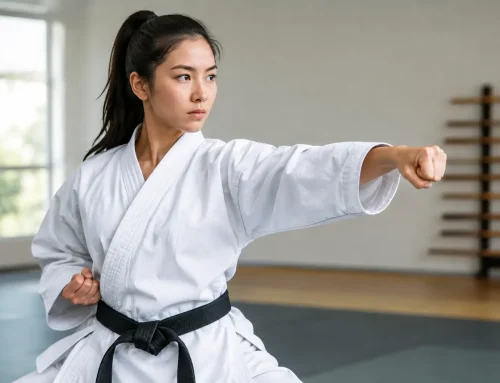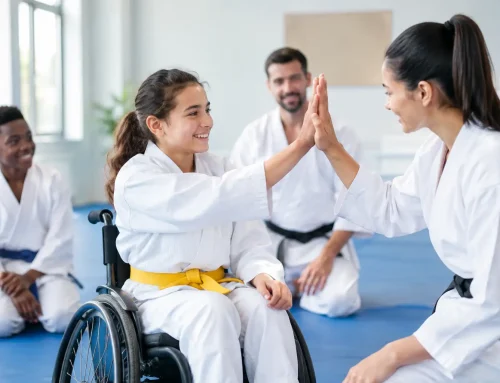
The best martial arts for beginners are not always the ones with the loudest reputation or the toughest-looking techniques. The right first class is the one that helps you feel safe, supported, and excited to come back next week. For a child, that may mean confidence and positive friendships. For an adult, it might mean practical self-defense, better health, stress relief, or a new sense of purpose.
A good beginner program teaches more than punches, kicks, or forms. It gives students structure, respect for others, body awareness, and a place to make progress at their own pace. The style matters, but so does the instructor, the class culture, and whether the program fits the life you actually live.
What Makes a Martial Art Beginner-Friendly?
A beginner-friendly martial art does not mean easy. It means the learning path is clear. New students should be shown how to stand, move, fall safely when appropriate, and practice with control before being asked to perform more demanding techniques.
Look for classes where instructors welcome questions, pair students thoughtfully, and offer options for different ages and fitness levels. A supportive school makes room for the quiet child, the nervous parent, the adult returning to exercise after years away, and the student who wants to improve without feeling pressured to compete.
The best fit also depends on your goal. Someone looking to build confidence after bullying may benefit from a structured, encouraging system with practical boundaries and self-defense skills. Someone who wants a lower-impact path to balance and wellness may connect more with Tai Chi. There is no single answer for every person, and that is good news: beginners have meaningful choices.
7 Best Martial Arts for Beginners
1. Shaolin Kempo Karate for a Well-Rounded Foundation
Shaolin Kempo Karate is an excellent starting point for beginners who want a broad foundation. Training can include strikes, kicks, blocks, movement, forms, self-defense applications, and techniques that incorporate jujutsu as part of the larger system. That variety helps students develop coordination, confidence, and practical awareness without needing to choose only one type of training from day one.
For children and teens, the structure of karate can be especially valuable. Students learn to listen, set goals, practice patience, and see that consistent effort leads to growth. For adults, it can be a rewarding way to build fitness while learning skills that feel useful beyond a workout.
The trade-off is that progress comes through repetition. Learning stances, combinations, and forms takes patience. Yet for many beginners, that steady process becomes a source of pride rather than a drawback.
2. Aikido for Awareness and Controlled Movement
Aikido focuses on balance, timing, redirection, and using movement to respond to force. Rather than meeting strength with more strength, students learn how positioning, awareness, and calm decision-making can change an encounter.
This can make Aikido appealing for beginners who are not drawn to aggressive sparring. It encourages students to work with partners, practice respect, and develop control. Many people also appreciate its emphasis on falling and moving safely, which can build confidence in the body.
Aikido may not be the first choice for someone who wants a high-intensity fitness class or frequent competitive practice. Still, it offers meaningful lessons in composure and personal space that can benefit students of many ages.
3. Mixed Martial Arts for Practical Variety
Mixed Martial Arts, often called MMA, brings together skills from striking, clinch work, ground movement, and conditioning. For adults and older teens who want a dynamic, practical workout, beginner MMA can offer a motivating introduction to several training methods.
A well-run beginner class is very different from a professional fight camp. Students should start with fundamentals, controlled partner drills, and safety expectations. The goal is not to prove who is toughest. It is to learn how to move with awareness, build endurance, and remain calm while practicing new skills.
MMA may feel intense for some first-time students, particularly if they are uncomfortable with close-range partner work. Ask whether a class has a true beginner track and how instructors manage contact levels. The right environment makes all the difference.
4. Tai Chi for Balance, Health, and Calm
Tai Chi is one of the best options for beginners seeking a gentler entry into martial arts. Its slow, intentional movements support balance, posture, coordination, breathing, and focus. While its roots are martial, many students begin because they want to feel steadier, move more comfortably, or create a calmer rhythm in their week.
Tai Chi can be a strong fit for adults, seniors, people recovering their fitness routine, and anyone who feels intimidated by a fast-paced class. It is also a helpful complement to more active martial arts training because it teaches body control and mindful movement.
If your main goal is immediate hands-on self-defense practice, Tai Chi alone may not offer the direct training you want. But as a wellness practice that strengthens awareness and confidence, its value is real.
5. Qi Gong for Body Awareness and Stress Relief
Qi Gong is not a fighting style, but it can be an important part of a beginner’s martial arts journey. It uses breathing, posture, gentle movement, and focused attention to help students connect with their bodies. For people carrying stress, stiffness, or uncertainty into their first class, that connection matters.
Beginners often discover that better balance and calmer breathing improve every other activity they do. Qi Gong can support recovery, reduce the urge to rush through movements, and help students build a sustainable practice. It is especially welcoming for people who want health and personal growth without high-impact exercise.
Think of Qi Gong as a supportive foundation rather than a replacement for self-defense training. It can help students arrive more centered and ready to learn.
6. Women’s Self-Defense for Clear, Practical Skills
Women’s self-defense classes are designed around awareness, boundary-setting, verbal confidence, and practical responses to common safety concerns. They can be an empowering place to begin for women and teens who want skills they can use right away, without needing prior martial arts experience.
A thoughtful class does more than teach physical techniques. It reinforces that students have the right to trust their instincts, use their voice, create distance, and seek help. Physical skills matter, but so do the choices that may help someone avoid or de-escalate a dangerous situation.
These programs are often offered in workshops or shorter series, so they may be best paired with ongoing martial arts training for students who want continued fitness, practice, and confidence-building. Even so, a single quality class can be a meaningful first step.
7. A Combination of Styles for Changing Goals
For some beginners, the best choice is not one martial art forever. A child may start with Shaolin Kempo Karate to build confidence and discipline, then add Aikido to explore movement and partner awareness. An adult might use Tai Chi or Qi Gong to improve mobility while training in a more active class for self-defense and conditioning.
This is one benefit of learning in a community-centered studio with multiple programs. Students can grow without feeling trapped in a single path. At OC Training Studio, the goal is to help people become well-rounded, confident individuals, not to force every student into the same definition of success.
How to Choose the Right First Class
Before enrolling, take a moment to name what you hope training will change. Do you want your child to speak up with more confidence? Are you looking for a healthy routine that does not feel like another obligation? Do you want practical skills, stress relief, stronger focus, or a welcoming community?
Then watch how the class feels. Notice whether instructors know students by name, correct with patience, and make safety expectations clear. A positive program does not rely on intimidation. It challenges students while reminding them that everyone starts somewhere.
For families, consistency usually matters more than choosing the “perfect” style. A class that is affordable, accessible, and enjoyable enough to attend regularly will create more lasting growth than a program that looks impressive but does not fit your schedule or comfort level.
Give Yourself Permission to Start Slowly
Beginning martial arts can feel vulnerable. You may worry about being out of shape, forgetting a sequence, or walking into a room where everyone seems more experienced. Those feelings are common, and they do not mean martial arts are not for you.
The first goal is simple: show up, learn one new thing, and return with a little more confidence. Over time, the small wins add up – a steadier stance, a clearer voice, a healthier routine, a new friend, or the realization that you can handle more than you once believed. The right martial arts class gives that growth room to happen.