A child who walks into class quietly, avoids eye contact, and stays close to a parent may not need to be pushed to “come out of their shell.” They may need a place where someone learns their name, gives them a manageable challenge, and celebrates the effort it took to try. That is the real promise of community youth development programs: not a quick personality makeover, but steady support that helps young people feel capable, connected, and seen.
For families, the right program can become a reliable part of the week. It gives children and teens a positive place to move their bodies, practice respect, make friends, and learn how to handle difficult moments with more confidence. For the community, it creates stronger relationships between young people, mentors, and families.
What makes a youth program truly developmental?
A youth activity is not automatically a youth development program just because it keeps kids busy after school. Recreation matters, and fun matters, but development happens when activities are paired with guidance, consistency, and meaningful goals.
A strong program helps a young person build skills in several areas at once. They may develop physical coordination through martial arts, creative confidence through magic and illusions, emotional regulation through focused practice, and social awareness by learning alongside peers. The lesson is not only how to perform a technique or trick. It is how to listen, persist, recover from mistakes, and contribute to the group.
This is especially valuable for children who have not found their place in traditional team sports or highly competitive activities. Some young people thrive in a loud, fast-paced environment. Others grow more when they can progress at their own pace, receive individual encouragement, and measure success by personal improvement rather than a scoreboard.
Community youth development programs build confidence differently
Confidence is often treated as something a child either has or does not have. In practice, confidence is built through evidence. A young person tries something challenging, receives coaching, practices it, and realizes, “I can do more than I thought.” Repeating that cycle changes how they approach school, friendships, and unfamiliar situations.
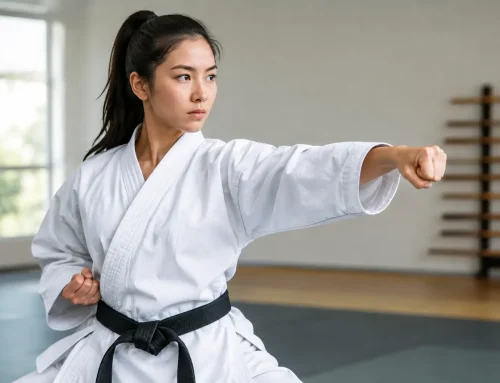
Martial arts offer a clear example. Students learn that power does not require aggression. Good training teaches awareness, self-control, posture, boundaries, and the responsibility that comes with skill. A child who learns to stand with confidence, use a clear voice, and seek help early has gained practical tools that can support anti-bullying efforts far beyond the training floor.
Creative programs can create that same kind of growth from a different direction. Learning a magic routine asks students to focus, follow steps, practice patiently, and perform in front of others. For a shy child, showing a simple illusion to classmates or family can be a meaningful milestone. For an outgoing child, it can be a chance to learn humility, preparation, and how to make others feel included.
The activity matters, but the mentoring matters just as much. Young people remember the adult who stayed patient when they were frustrated and who held them to a standard with kindness.
Safety and belonging come before performance
Parents have good reason to look beyond class schedules and skill lists. A program can have impressive activities and still be a poor fit if the environment is careless, intimidating, or dismissive of individual needs.
A healthy youth space makes expectations clear. Students should understand how to treat instructors and peers, what to do if they feel uncomfortable, and how conflicts are handled. Instructors should be attentive enough to notice when a child is overwhelmed, excluded, or repeatedly struggling. Safety includes physical supervision, but it also includes emotional safety: the confidence to ask a question, make a mistake, or say that something is wrong.
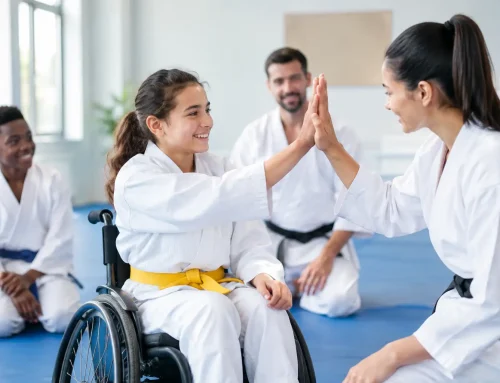
Belonging does not mean every child will become best friends with everyone in class. It means each student has a fair opportunity to participate and knows they are valued. This is where smaller moments carry weight: being greeted by name, having an achievement noticed, or being paired with a supportive classmate during a new exercise.
At OC Training Studio, the goal is to help people become well-rounded individuals, not simply stronger performers. That perspective changes how success is defined. Progress can look like improved focus, a healthier response to disappointment, a new willingness to speak up, or the choice to encourage another student.
How martial arts support real-life skills
Martial arts are often associated with kicks, punches, and belts. Those can be motivating parts of training, but thoughtful instruction reaches further. A structured martial arts program gives young people a healthy framework for practicing discipline without shame and resilience without pressure to be perfect.
Students learn that showing up matters. They learn that advancement takes time. They discover that listening closely protects their training partners and that self-control is a form of strength. These lessons are useful for a child navigating a classroom disagreement, a teen managing stress, or an adult rebuilding confidence after a difficult season.
There is also a practical safety benefit. Age-appropriate self-defense education can help students become more aware of their surroundings, understand personal boundaries, and respond more calmly when a situation feels unsafe. The purpose is never to encourage confrontation. It is to help students recognize options, use good judgment, and seek safety whenever possible.
Not every young person wants the same training path. Some may be drawn to the structure and tradition of Shaolin Kempo Karate, which incorporates elements such as Jujutsu within its broader system. Others may prefer a gentler focus on balance, breathing, and mindful movement. The best fit depends on age, interests, physical needs, and what will help the student stay engaged.
Choosing a program your family can sustain
The best program is rarely the one with the most impressive first day. It is the one your family can realistically attend, afford, and feel good returning to month after month. Consistency gives young people time to build trust with instructors and turn early discomfort into genuine progress.
When evaluating community youth development programs, parents can ask practical questions. Is the instruction welcoming to beginners? Are classes structured but encouraging? Does the program explain its approach to safety, discipline, and bullying? Can a child try an activity without feeling locked into a path that may not suit them?
Accessibility deserves attention, too. Cost can quietly keep families away from enriching experiences, even when a child would benefit greatly. Community-centered programs that offer flexible, donation-friendly, or pay-what-you-can-afford options make it easier for more young people to participate. Affordability is not a small detail. It is part of whether a community resource truly serves its community.
Schedules matter as well. A program with too many commitments can become another source of family stress. One consistent class each week may be more valuable than an ambitious schedule that becomes impossible to maintain. Start with a rhythm that supports the household, then add more only if it continues to feel positive.
Growth is stronger when families are part of it
Young people benefit when the values taught in class have room to continue at home. Parents do not need martial arts experience or a background in performing arts to support the process. Asking, “What was challenging today?” or “What did you practice?” shows a child that effort is worth talking about.
It also helps to praise specifics. Instead of only saying, “Great job,” notice the behavior behind the result: “You kept practicing even when that was hard,” or “I saw how respectfully you listened.” Specific encouragement helps children understand what they did well and makes growth feel repeatable.
Community programs work best when they become a partnership. Instructors provide structure and mentorship. Families reinforce participation and communicate concerns. Students gradually take ownership of their own goals. No single class can solve every challenge a young person faces, but a caring program can become one steady part of the support system around them.
A child does not have to arrive confident to deserve a place in class. They only need a safe opportunity to begin. With patient instruction, meaningful challenges, and a community that believes growth is possible, that first small step can become a habit of courage that reaches far beyond the studio.