A slow, intentional movement class can look simple from the outside. Yet the way you feel afterward can be profound: steadier on your feet, calmer in your thoughts, and more connected to your body. When people compare tai chi vs qigong, they are usually asking a practical question: Which one will help me feel better and stay with the practice?
The encouraging answer is that both can be a wonderful fit for beginners, older adults, busy parents, teens, and anyone looking for a kinder way to build strength and focus. They share meaningful roots, but they are not interchangeable. Understanding their differences can help you choose a class that supports your goals, your body, and your sense of belonging.
Tai Chi vs Qigong: The Core Difference
Tai chi is a Chinese martial art practiced through a connected sequence of slow, coordinated movements called a form. Each posture flows into the next, creating a moving pattern that asks for balance, posture, weight shifting, breath awareness, and concentration. While many people practice tai chi for health and relaxation, its movements also come from martial applications such as redirecting force, controlling distance, and protecting the body.
Qigong is a broader category of traditional Chinese movement and breathing practices. A qigong routine may include standing still, gentle repeated motions, seated breathing, self-massage, visualization, or simple stretches. Some routines have a set sequence, while others can be practiced for just a few minutes at a time.
Put simply, tai chi usually teaches a longer, continuous form with martial arts roots. Qigong often uses simpler, repeatable exercises intended to support breath, posture, mobility, and a settled state of mind. There is overlap: tai chi classes may include qigong warmups, and qigong can include movements that feel graceful and martial. The teaching method and the instructor’s focus make a real difference.
What Tai Chi Feels Like in Class
A tai chi class is often a lesson in patience. Students learn a few movements at a time, then gradually link them together. Early lessons may focus on how to stand with relaxed knees, how to shift weight without leaning, and how to move the arms without tightening the shoulders.
That slower learning process is part of the value. A form gives students something to return to week after week, with new details becoming clear over time. One day you may notice that your breathing is smoother. Later, you may recognize how a small adjustment in the hips improves your balance. Progress is quiet, but it is real.
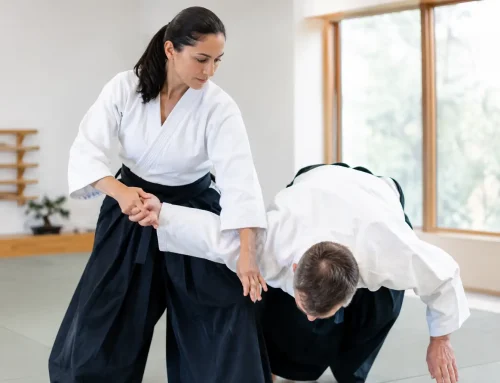
Because tai chi has martial roots, a well-rounded instructor may also explain why a posture is shaped a certain way. This does not mean every class is a self-defense class. It means students can appreciate the practical intention behind movements that might otherwise appear purely decorative. For adults who want wellness training with a connection to traditional martial arts, this can be especially meaningful.
Tai chi may be the better choice if you enjoy learning a sequence, appreciate structure, or want to build coordination over the long term. It can also be a rewarding practice for people who have felt disconnected from their bodies after stress, injury, or long periods of inactivity. As always, students should work within their abilities and speak with a qualified health professional about injuries or medical concerns.
What Qigong Feels Like in Class
Qigong often feels more immediately accessible because the movements are usually shorter and less complicated. A class might begin with calm standing, then move into gentle opening-and-closing motions, shoulder circles, or coordinated breathing. Rather than memorizing a long form, students may repeat one exercise several times and pay attention to how it feels.
This approach can be especially welcoming for someone who feels nervous about “getting it right.” There may be less choreography to remember, which leaves more room to notice tension, posture, and breath. A simple qigong practice can also be easier to bring home. A person with five quiet minutes before work or after school can use a few familiar movements as a reset.
The word “qi” is often translated as vital energy, breath, or life force, depending on the context. Different teachers and traditions explain it differently. You do not have to adopt a particular belief system to benefit from moving slowly, breathing with attention, and practicing body awareness. Many students simply experience qigong as a calming, low-impact way to care for their physical and emotional well-being.
Qigong may be the better first step if your main goal is stress relief, gentle mobility, or a practice that is easy to repeat on your own. It can be a strong option for beginners who want movement without the pressure of memorizing a full routine right away.
Similar Benefits, Different Paths
Both practices can help people develop balance, coordination, flexibility, and mindful breathing. Their low-impact pace makes them approachable for many fitness levels, and the focused attention can offer a welcome break from rushing through the day. Neither practice requires a competitive mindset. The goal is not to look impressive. It is to become more present, capable, and at ease.
Still, benefits are not guaranteed or identical for every person. A student who enjoys tai chi’s form may practice more consistently and gain more from it than from a qigong routine, even if qigong seemed easier at first. Another student may find that qigong’s simplicity helps them establish a habit that fits a demanding schedule. The best practice is often the one you can approach with consistency and curiosity.
Class culture matters too. A supportive instructor will offer modifications, invite questions, and make room for students at different stages. That kind of environment is particularly important for children, teens, and adults who are building confidence alongside physical skills. No one should feel embarrassed for needing a chair, taking a break, or learning at a different pace.
Is Tai Chi Better for Self-Defense?
Tai chi is a martial art, so it has a clearer connection to self-defense concepts than many health-focused qigong routines. Its traditional applications can teach awareness of alignment, timing, distance, balance, and how force moves through the body. Those lessons can deepen a student’s understanding of martial arts.
However, learning a slow form alone does not automatically prepare someone for a real-world confrontation. Practical self-defense also involves awareness, boundaries, verbal skills, decision-making, and training that reflects realistic situations. For children and adults alike, the safest outcome is always avoiding or leaving danger when possible.
Qigong is generally not taught as self-defense. Its value lies more in cultivating body awareness, calm breathing, mobility, and internal focus. Those qualities can support confidence and emotional regulation, but they should not be presented as a substitute for direct safety training.
For families seeking both wellness and practical martial arts education, it can be helpful to view tai chi or qigong as one part of a larger growth journey. They can complement training that develops confidence, respectful communication, and age-appropriate self-protection skills.
How to Choose the Right Starting Point
Choose tai chi if you are drawn to a traditional martial art, enjoy learning patterns, and want a practice that evolves through steady study. Expect to spend time on details. That is not a drawback; for many students, it is the reason tai chi becomes a lifelong practice.
Choose qigong if you want simple, gentle exercises that can fit into everyday life, or if you are returning to movement after a long break. It is also a practical starting place for people who want to explore mindful movement before committing to a longer form.
If you are unsure, try an introductory class and pay attention to more than the movements. Do you feel welcomed? Are instructions clear? Does the instructor offer options for different bodies and experience levels? Can you imagine returning next week? Those answers matter more than choosing the practice with the most impressive name.
At OC Training Studio, the goal is to help people grow in health, confidence, and connection through approachable instruction. Whether you begin with the flowing structure of tai chi or the simple rhythms of qigong, give yourself permission to start where you are. A few calm, intentional minutes of practice can become a dependable place to return to when life feels busy.