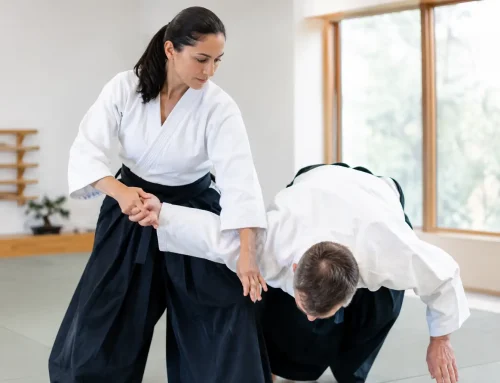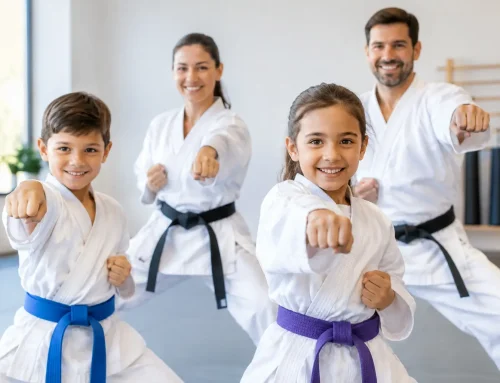
Aikido can look effortless when an experienced practitioner redirects a partner with calm timing and balanced movement. That appearance is earned through patient repetition, attentive practice, and respect for the people training beside you. If you are learning how to practice aikido, begin with the understanding that progress is not about overpowering someone. It is about learning to stay present, move safely, and respond with control.
A good Aikido practice can build confidence for children, teens, and adults alike. It creates a place to work on coordination, focus, fitness, and self-control while learning practical principles of personal safety. The goal is not to become aggressive. The goal is to become more aware, capable, and steady under pressure.
Start With a Safe Training Mindset
Aikido is practiced with a partner, which makes trust part of every lesson. One person may apply a grip, guided hold, or controlled attack while the other practices entering, turning, blending, or safely receiving the technique. Both roles matter. A technique only works as a learning experience when both people communicate and care for each other.
Train at a pace that allows you to stay relaxed enough to notice what is happening. New students sometimes tighten their shoulders, hold their breath, or rush to remember every step. That is normal. Slow down, breathe, and focus on one detail at a time. Your stance may be the only thing to work on during one repetition. In another, it may be keeping your hands open or turning from your center rather than pulling with your arms.
Respectful training also means speaking up. Tell your instructor or partner about an injury, dizziness, or a movement that does not feel right. Tap or verbally signal early when practicing a lock or pin. There is no prize for tolerating pain. Good martial arts training develops resilience, but it should never require ignoring your body’s warning signs.
Learn How to Practice Aikido From the Ground Up
The most useful Aikido skills are often the least flashy. Before worrying about throws, give your attention to posture, footwork, distance, and falling safely. These fundamentals make techniques more comfortable and reduce the chance of injury.
Build a stable, mobile posture
Aikido posture should feel grounded without becoming stiff. Stand tall, soften the knees, and keep your weight centered so you can move in any direction. Avoid leaning forward to chase your partner or leaning back to escape them. Either habit can take away your balance.
Practice simple steps forward, backward, and at angles. Notice whether your feet cross unnecessarily or whether you lift your shoulders as you move. The goal is quiet, efficient movement. For children, this can feel like learning to move with the balance of a superhero: alert, calm, and ready without being tense.
Practice ukemi before practicing big throws
Ukemi is the art of receiving a technique safely. It includes rolls, breakfalls, and ways to protect the head, neck, and joints when going to the mat. Some beginners are surprised to learn that receiving well is just as valuable as applying a technique well.
Start with the versions your instructor recommends for your body and experience level. A forward roll may begin from kneeling or with a supported hand placement before it is practiced from standing. Do not force a roll because someone else seems ready for it. Controlled progress is far more valuable than speed.
When receiving a technique, stay connected to your partner’s movement without becoming limp or resistant. Relaxing does not mean giving up your structure. It means avoiding the sudden stiffness that can make a safe movement feel jarring.
Learn principles, not only patterns
Aikido techniques have names and sequences, but memorizing steps alone can leave you confused when a partner moves differently. Ask what each movement is meant to accomplish. Are you moving off the line of an attack? Creating safer distance? Guiding a wrist rather than twisting it? Taking your partner’s balance before attempting a pin?
This approach helps you adapt. It also reminds you that self-defense is not a performance. In a real situation, creating distance, using a clear voice, leaving the area, and seeking help may be the best response. Physical technique is one part of personal safety, not the entire answer.
Make Consistency More Important Than Intensity
Aikido improves through regular practice because timing and body awareness take time to develop. One demanding class every few weeks is less helpful than a sustainable rhythm. For many beginners, attending class once or twice a week is an excellent start. The right schedule depends on family commitments, work, recovery, and the availability of classes.
Between classes, keep home practice simple. You can review your stance, stepping patterns, gentle mobility, and breathing for a few minutes. If you have enough open space, practice the footwork you learned in class slowly and deliberately. Do not rehearse joint locks, throws, or breakfalls alone on hard surfaces. Those skills need appropriate mats, instruction, and a willing partner.
A short practice journal can help, especially for students who feel frustrated by how much there is to remember. After class, write down one skill that felt better and one question to ask next time. Progress might look like rolling with less hesitation, remembering to breathe, or staying calmer when a partner increases pressure. Those are meaningful gains.
Train With Different Partners and Clear Communication
Every training partner brings a different height, reach, pace, and level of experience. Working with a variety of people teaches you not to depend on one perfect setup. It also builds the social confidence to communicate, listen, and adjust respectfully.
Still, variety should not mean chaos. Before starting, agree on an appropriate pace. A newer student may need a slower, more cooperative attack to learn the pathway of a technique. A more experienced student may add realistic movement once the basics are stable. Neither approach is better in every moment. The right level of resistance depends on the lesson, the skill being practiced, and the safety of both partners.
Use plain, helpful feedback. “That pressure is too fast for me right now” is useful. So is “Can we try that again more slowly?” At a supportive school, questions are welcomed because they protect learning and strengthen the community.
Support Your Aikido Practice Outside Class
Aikido asks for mobility, coordination, and enough general conditioning to get up and down from the mat comfortably. You do not need to arrive in peak athletic shape. In fact, many people choose martial arts because they want a positive path toward better health. Start where you are.
Gentle stretching, walking, basic strength work, and balance exercises can support your practice. Prioritize movements that help daily life: comfortable hips and ankles, stronger legs, steady core control, and shoulders that can move without strain. Rest matters too. Soreness after a new class can be expected, but sharp pain, swelling, or pain that lingers deserves attention from a qualified health professional.
Mental preparation is equally useful. A few slow breaths before class can shift your focus away from a busy day. During practice, notice the urge to compete or prove yourself. Then return to the task: maintain balance, protect your partner, and learn one small improvement. That habit can carry into school, work, family life, and challenging conversations.
Choose Instruction That Helps You Grow
Videos can introduce terminology or help you remember a movement, but they cannot replace live guidance. A qualified instructor can correct posture, adapt drills for your needs, and create a safe environment for partner practice. This is especially important for children and beginners, who benefit from clear boundaries and positive mentorship.
Look for a class culture where students are taught to respect consent, control contact, and encourage one another. At OC Training Studio, the purpose of martial arts instruction reaches beyond technique. Students are encouraged to build confidence, discipline, health, and a sense of belonging while learning skills they can carry into everyday life.
Your first months of Aikido may feel humbling. That is not a sign that you do not belong. It is the beginning of learning to meet challenge without panic and improvement without ego. Show up with curiosity, take care of your training partners, and let each careful repetition teach you something new.