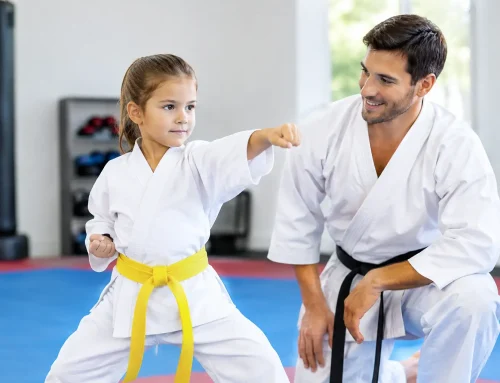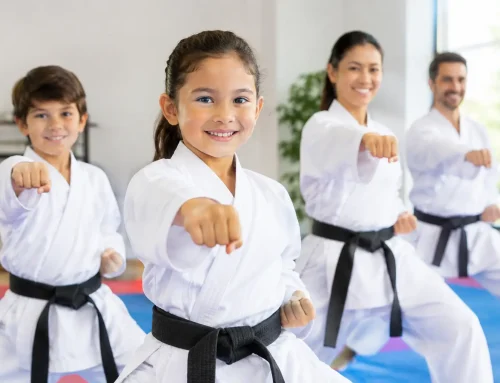
A Tai Chi class may look quiet from the outside, but the benefits can reach far beyond the movements themselves. Learning how to start tai chi gives you a practical way to slow down, improve balance, build gentle strength, and create a little more calm in a busy week. You do not need to be flexible, athletic, or familiar with martial arts to begin. You simply need the willingness to show up, move with attention, and learn one step at a time.
Tai Chi is especially welcoming for adults who want exercise without the pounding impact of many fitness routines, as well as beginners who feel intimidated by fast-paced martial arts classes. It can also be a meaningful practice for teens and older adults who want to improve body awareness, focus, and confidence. The goal is not to perform perfectly. The goal is to become more present in your body while steadily building healthy skills.
What Tai Chi Is, and What It Is Not
Tai Chi is a traditional Chinese martial art practiced through slow, connected movements, controlled breathing, posture, and focused attention. Its martial roots matter: each movement has a purpose related to balance, structure, timing, and self-protection. Yet many people begin Tai Chi for wellness, stress relief, mobility, and mental clarity.
It is not just stretching, although it can help your body feel more open. It is not a dance routine to memorize as quickly as possible. And it is not about forcing yourself into low stances or pushing through pain. A good beginner practice teaches you how to stand, shift your weight, relax unnecessary tension, and move with greater control.
That combination makes Tai Chi useful in everyday life. Better balance can make stairs, walks, and daily movement feel more secure. Improved posture can reduce the habit of holding your shoulders tight all day. Slowing your breath can give you a healthy pause before stress takes over.
How to Start Tai Chi Without Feeling Overwhelmed
The easiest way to begin is to let go of the idea that you must understand everything at once. Tai Chi has depth, and that is a strength, not a reason to delay starting. Your first goal is simply to learn the basic feeling of the practice.
Begin with comfortable clothing that lets you move freely. Athletic shoes with thin, stable soles can work well, though some classes may practice in flat indoor shoes or barefoot depending on the setting. You do not need special gear, uniforms, or prior martial arts experience. Bring water, arrive a few minutes early, and give yourself permission to be new.
In your first classes, pay attention to a few fundamentals: keep your knees soft rather than locked, let your shoulders settle, stand tall without becoming rigid, and move only within a comfortable range. Your instructor may ask you to shift your weight from one leg to the other, coordinate your hands with your steps, or repeat a short sequence several times. Repetition is not a sign that you are behind. It is how the body learns.
Try not to judge the practice by how much you sweat. Tai Chi can be deceptively challenging because it asks for controlled movement, patience, and attention. A slow step done with good posture can be more demanding than it looks. Over time, your legs, core, coordination, and focus begin to work together more naturally.
Choose a Class That Supports Beginners
Videos can introduce you to basic ideas, but in-person guidance is often the best place to start. A qualified instructor can notice whether you are leaning too far, holding tension in your neck, or placing pressure on your knees in a way that does not serve you. Small adjustments can make the practice feel safer and more comfortable.
Look for a class that welcomes beginners and explains movements in clear, patient language. The right environment should not make you feel rushed or embarrassed for asking questions. You should leave with a sense of encouragement, even if your feet and hands did not always move in the right direction.
Class style matters, too. Some Tai Chi programs focus mostly on health and meditation, while others include more discussion of martial applications and traditional forms. Neither approach is automatically better. It depends on what you hope to gain. If stress relief and mobility are your priorities, seek a class that emphasizes relaxed movement and accessible pacing. If you are curious about martial arts, find an instructor who can explain the self-defense principles with care and respect for your current ability.
For Orange County families and adults looking for supportive, in-person instruction, OC Training Studio creates space for beginners to learn Tai Chi as part of a larger commitment to confidence, wellness, and community connection.
Start Small Enough to Stay Consistent
A common beginner mistake is trying to practice for an hour every day, then stopping after a week because life gets busy. Tai Chi responds well to consistency, even in short sessions. Ten focused minutes practiced three or four times a week can help you remember what you learned in class and make the movements feel less unfamiliar.
At home, begin with the simplest pieces. Stand quietly for a minute and notice how your feet connect to the floor. Take slow, easy breaths without trying to force them deeper. Practice one weight shift or one movement from class. If you cannot remember a sequence, do not invent complicated steps. Review the posture, breathing, and alignment you do remember.
It helps to choose a regular cue for practice. You might spend a few minutes moving before breakfast, after work, or before bed. The best time is the one you can realistically protect. Tai Chi should become a supportive part of your routine, not another obligation that creates pressure.
Let Your Body Set the Pace
Tai Chi is adaptable, but every body has different needs. If you have an injury, chronic pain, balance concerns, recent surgery, or a medical condition, speak with a healthcare professional and let your instructor know before class. Movements can often be modified, including practicing with a higher stance, a smaller range of motion, or a chair nearby for support.
Pain is different from effort. It is normal to feel your legs working or to notice muscles that are not used to slow, sustained movement. Sharp pain, dizziness, numbness, or instability are signals to stop and ask for guidance. Progress in Tai Chi comes from awareness, not from ignoring what your body is telling you.
There may be days when your practice feels smooth and days when you feel uncoordinated. That is normal. Balance, focus, and calm are not permanent states you achieve once. They are skills you return to, especially when life becomes demanding.
Focus on Benefits Beyond the Form
Beginners often worry about memorizing a full Tai Chi form. Forms can be rewarding, and learning them gives structure to your practice. But the deeper value is not only in remembering the order of movements. It is in learning how you carry yourself while you move.
Notice whether you can breathe more freely after class. Pay attention to how your feet feel on the ground when you stand in line, walk through a parking lot, or pick something up from the floor. See if you can respond to frustration with a little more patience. These are meaningful signs that Tai Chi is becoming part of your life.
For some people, the social side is equally valuable. Training alongside others creates accountability and belonging. You may meet people of different ages and backgrounds who are all working on the same basic challenge: becoming stronger, steadier, and more comfortable in their own bodies. That shared effort can make it easier to keep going.
Give Yourself Time to Grow
Tai Chi is not a quick fix, and that is part of its gift. The first few weeks may feel like learning a new language with your hands and feet. After a few months, you may notice that a movement which once required intense concentration now feels familiar. With longer practice, you can continue finding new layers of balance, breath, martial understanding, and self-awareness.
Start where you are. Wear comfortable clothes, find patient instruction, and practice with curiosity instead of pressure. Each slow step is an opportunity to build confidence, care for your health, and make room for a calmer, more connected version of yourself.