A disagreement over the swings can turn into tears, yelling, or hurt feelings in less than a minute. Knowing how to resolve playground conflict gives children something more valuable than the last turn on the slide: the confidence to speak up, listen, and stay safe when emotions run high.
Conflict on the playground is normal. Children are learning how to share space, read social cues, handle disappointment, and express needs that can feel very big in a small body. The goal is not to raise children who never disagree. It is to help them become young people who can respond with calm, clear choices instead of reacting with hands, insults, or fear.
Start With Safety, Then Slow the Moment Down
When a child is overwhelmed, problem-solving comes later. First, make sure everyone has space and is physically safe. If there is pushing, hitting, grabbing, threats, or a child who cannot get away, an adult should step in right away. Children should never be expected to handle unsafe behavior alone.
For everyday disagreements, a simple pause can change the direction of the moment. Encourage children to take one step back, lower their voices, and use a steady breath. This is not about pretending they are not upset. It is about giving their brains enough room to choose what happens next.
A child might say, “Stop. I don’t like that,” or “I need space.” Short phrases work well because they are easier to remember when someone feels angry, embarrassed, or left out. Practicing those words at home, in a class, or through role-play makes them more available when they matter.
How to Resolve Playground Conflict Step by Step
Children do not need a perfect speech to solve a disagreement. They need a repeatable process they can use when someone cuts in line, changes the rules, will not share, or says something unkind.
Name the problem without attacking the person
Help children describe what happened instead of labeling the other child. “You’re mean” may be how a child feels, but it usually invites more arguing. “I was waiting for a turn, and you went in front of me” is clearer and gives the other child something specific to respond to.
Using “I” statements can be especially helpful: “I feel frustrated because I was still using that,” or “I felt left out when the game started without me.” This language does not guarantee that the other child will agree, but it helps a child communicate with dignity rather than escalating the conflict.
Listen for the other side
Listening does not mean accepting unfair treatment. It means pausing long enough to understand whether the disagreement has a simple solution. Maybe both children thought it was their turn. Maybe one child did not hear the rules. Maybe a game became too fast and confusing.
Adults can model this by asking, “What happened from your point of view?” Then ask the other child the same question. A child who feels heard is often more willing to cooperate. This approach also teaches an essential life skill: two people can experience the same moment differently.
Choose a fair next step
Once children understand the problem, guide them toward a practical option. They may take turns, set a timer, change the game rules, choose a different activity, or invite another child to help decide. The best solution depends on the situation.
Taking turns works for a single toy or piece of equipment. It may not work if a child has repeatedly ignored boundaries or if the activity itself is becoming unsafe. In those cases, separating children or involving an adult is the wiser choice. Fairness is not always about making everyone equally happy. Sometimes it means protecting a child’s right to feel safe and respected.
Ask for adult help before the problem grows
Many children worry that asking for help is tattling. A useful distinction is this: reporting is meant to keep someone safe or get help solving a problem that children cannot solve alone. Tattling is often about trying to get someone in trouble over a small issue that has already ended.
Teach children to seek help when someone is hurt, being threatened, repeatedly excluded, pressured to do something unsafe, or unable to stop the behavior after clearly saying no. They can use a direct phrase such as, “We tried to solve it, but we need help.” That shows both responsibility and self-respect.
Teach Boundaries Without Teaching Aggression
Parents naturally want their children to be kind. Kindness matters, but it should never be confused with staying quiet when someone crosses a line. Children need permission to say no, leave a game, and get support from a trusted adult.
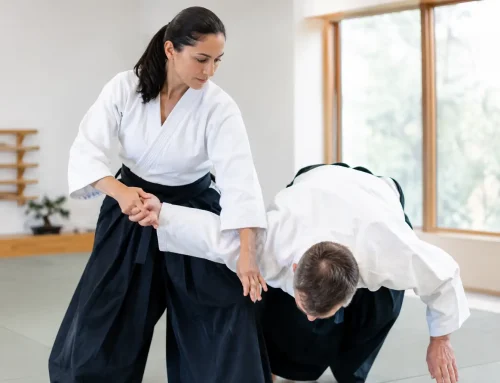
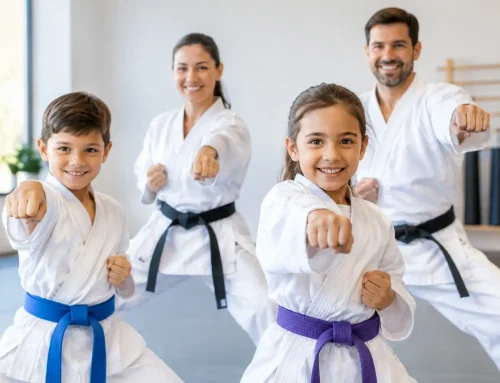
Confident body language can help. Standing tall, keeping hands to oneself, making appropriate eye contact, and using a clear voice sends a different message than shouting or shrinking away. Martial arts training often reinforces this balance: real strength includes self-control, awareness, and the ability to avoid a fight whenever possible.
At OC Training Studio, this is part of the larger purpose behind training. Children can build coordination and practical self-defense awareness while also practicing respect, discipline, and calm communication. The goal is not to make children confrontational. It is to help them know they have choices.
When Conflict Is More Than a One-Time Disagreement
Not every hard playground moment is bullying. Children can have a genuine conflict when both have some part in a disagreement and both can work toward a solution. Bullying is different. It involves repeated behavior, a power imbalance, or an effort to hurt, control, humiliate, or isolate someone.
If a child reports repeated name-calling, social exclusion, physical intimidation, online harassment connected to school, or damage to belongings, take it seriously. Listen without rushing to solve it or asking why they did not handle it differently. Thank them for telling you, write down what happened when useful, and contact the appropriate school staff.
Avoid telling a child simply to ignore repeated bullying. Ignoring may work for a passing comment, but it is not a complete plan when behavior continues. Children need adults who notice patterns, set boundaries, and follow through.
Practice at Home So Skills Feel Natural Outside
The playground is not the best place to learn a skill for the first time. A few minutes of practice at home can make a meaningful difference. During dinner, a car ride, or a quiet moment before bed, ask simple questions: “What could you say if someone takes your turn?” “What would you do if a game starts feeling unsafe?” “Who are three adults you can ask for help?”
Role-play can be light and even a little silly, especially with younger children. Let them practice a firm “Stop,” a respectful request, and walking away. Then switch roles so they can hear what calm words sound like from someone else. The purpose is not to script every social moment. It is to help children trust themselves when a moment becomes difficult.
Praise effort, not just outcomes. If your child used words instead of pushing, asked for help, or walked away from an unkind game, recognize that courage. They may still feel sad or disappointed, and that is okay. Emotional strength is not the absence of feelings. It is learning what to do with them.
A peaceful playground is built one interaction at a time. When children know they can use their voice, respect another person’s boundaries, and ask for help without shame, they carry those skills far beyond recess.