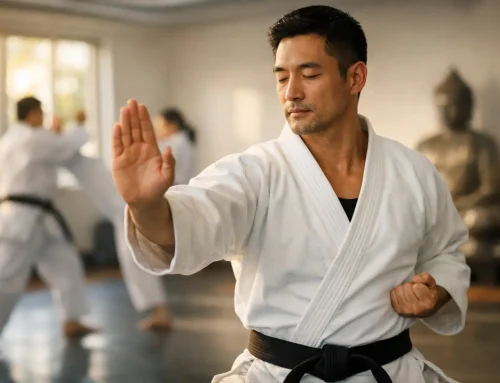
A women’s self defense course review should look beyond whether a class feels intense for an hour. The better question is whether students leave with practical choices, clearer awareness, and the confidence to use their voice and movement under pressure. A good course is not about turning someone into a fighter. It is about helping people feel more prepared, more grounded, and less alone.
For many women, signing up is a meaningful first step. Some are preparing for college, a new job, travel, or more independence. Others want to replace fear with a sense of capability. The right class honors every reason for being there while creating a supportive environment for beginners of every fitness level.
What a Women’s Self Defense Course Should Teach
The strongest programs begin with prevention, awareness, and decision-making. Physical techniques matter, but they are only one part of personal safety. A student needs permission to trust discomfort, set boundaries early, create space, and leave when leaving is possible.
A useful course should cover how to notice behavior that feels off without encouraging constant fear or suspicion. That might include recognizing when someone is ignoring a verbal no, standing too close, isolating a person from friends, or pressuring them to accept help they do not want. Awareness is not blame. Responsibility for harmful behavior always belongs to the person causing harm.
Verbal boundary setting deserves real practice, too. Many people know what they want to say but have never practiced saying it loudly, clearly, and without apologizing. Simple language such as “Stop,” “Back up,” and “I said no” can be powerful when students have a chance to use it with coaching and support.
Then come the physical tools. For a beginner, these should be direct, easy to remember, and connected to a clear purpose: create distance, break free, protect vulnerable areas, and get to safety. A class does not need a long catalog of complicated moves. In fact, too many techniques can make it harder to remember what to do when adrenaline is high.
A Practical Review Standard: Does It Work Under Stress?
A women’s self defense course review is most helpful when it asks how training is practiced, not simply what techniques appear on the schedule. Demonstrations can look impressive, but students need guided repetition to build usable habits.
Look for instructors who explain the why behind each movement. If a student is learning how to escape a wrist grab, for example, they should understand why body position, balance, leverage, and immediate movement away from the situation matter. The goal is not to win an exchange. The goal is to make a safe exit possible.
Controlled partner drills are especially valuable. They let students feel realistic resistance while still learning in an environment built around consent and safety. Partners should be matched thoughtfully, encouraged to communicate, and reminded that learning is not a test of toughness.
A quality class also teaches that self-defense is not a guarantee or a script. Real situations are unpredictable. Someone may freeze, comply, fight back, call for help, or use a combination of responses. Training should expand options without judging a survivor’s response or suggesting that safety is solely an individual responsibility.
The Instructor and Environment Matter as Much as the Moves
The best techniques can be undermined by an intimidating classroom. Women who are new to martial arts may worry that they are not strong enough, coordinated enough, or athletic enough to participate. A welcoming instructor meets that concern with patient guidance, not pressure.
Pay attention to how the instructor corrects students. Helpful coaching is specific and respectful: adjust your stance, turn your shoulder, use your voice, take a breath, try again. It should never rely on embarrassment, forced contact, or the idea that pain is proof of progress.
Consent needs to be part of the class culture. Before partner work, participants should know what will happen, how to opt out or modify an exercise, and how to communicate discomfort. This is particularly important for anyone with past trauma, injuries, or anxiety around close physical contact. A supportive program makes room for people to learn at their own pace.
At OC Training Studio, that kind of learning environment aligns with a larger commitment to confidence, personal growth, and community care. Self-defense training can be challenging, but it should also remind students that they belong in the room and deserve to feel safe while learning.
What to Look For Before You Enroll
Not every course needs to be long to be worthwhile. A focused workshop can introduce essential skills and help someone take a first confident step. A recurring class, however, usually gives students more time to practice, ask questions, and build comfort with the material.
Before enrolling, consider whether the program offers these essentials:
- Clear instruction on awareness, boundaries, escape, and getting to safety
- Physical practice that is controlled, supervised, and appropriate for beginners
- A respectful approach to consent, individual limits, and different life experiences
- Opportunities to repeat skills rather than rushing through a large number of techniques
- Instructors who welcome questions and explain how training applies beyond the studio
It also helps to ask who the course is designed for. A teen preparing for greater independence may benefit from conversations about peer pressure, rides, parties, and online interactions. An adult may want more focus on workplace boundaries, parking lots, public spaces, or traveling alone. The principles overlap, but relevant examples make the training easier to remember.
Common Signs a Course May Not Be the Right Fit
A program that promises to make participants unstoppable should raise concerns. Personal safety is complex, and no instructor can promise a particular outcome in every situation. Honest training builds confidence without pretending risk can be eliminated.
Be cautious of classes that focus entirely on striking or assume every situation should become physical. Physical action can be necessary, but it is one option among many. Good instruction recognizes that avoidance, de-escalation, attention from bystanders, escape, and calling for help can all be effective choices depending on the circumstances.
Another concern is a course that treats students as passive recipients of information. Self-defense becomes more useful when participants are invited to speak, move, ask questions, and reflect on what feels realistic in their lives. A class should feel active and empowering, not like a lecture with a few dramatic demonstrations at the end.
Finally, watch for a culture that glorifies aggression. Strength does not have to look loud or confrontational. It can look like a clear boundary, a practiced exit, a call to a friend, or the decision to seek help. A course should help students recognize that protecting themselves is never something they need to apologize for.
Confidence Is Built Through Continued Practice
One workshop can change how someone carries themselves, but confidence grows with repetition. Returning to key skills helps students respond with less hesitation and more clarity. It also gives them time to discover what movements feel natural in their own body.
Martial arts training can support that growth over time. Programs that teach balance, awareness, posture, coordination, and calm decision-making offer benefits that reach beyond a single self-defense scenario. For some students, ongoing training becomes a healthy routine that strengthens both body and mindset.
Still, the goal is not to live on alert. The goal is to move through life with greater agency. A thoughtful course helps women understand that they can set limits, seek support, practice useful skills, and make choices that fit the moment.
The most meaningful measure of a self-defense class is not how many moves a student can name. It is whether she walks out feeling more capable of protecting her boundaries, trusting her instincts, and staying connected to the people and resources that can help her thrive.