A child walks home from a friend’s house and notices that an unfamiliar adult is asking too many personal questions. A teen feels pressured to get into a car with someone who has been drinking. A parent is separated from the family in a crowded store. These moments do not call for panic or movie-style fighting skills. They call for preparation, calm choices, and the confidence to ask for help. That is what self defense for families can provide.
The strongest family safety plan is not built around fear. It is built around connection. When children, teens, and adults practice awareness, communication, boundaries, and simple physical skills together, they are more likely to recognize a problem early and respond with purpose.
Self Defense for Families Is More Than Fighting
People often picture self-defense as a collection of punches, blocks, and escapes. Physical training can be valuable, especially when it teaches balance, distance, posture, and how to break away from a grab. But a family-centered approach begins much earlier.
Good self-defense is the ability to notice what feels wrong, create distance, use a clear voice, leave when possible, and seek trusted help. It also means knowing that protecting yourself does not require being rude, polite, or quiet when a situation feels unsafe.
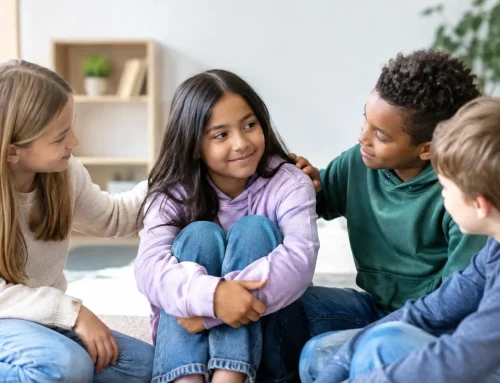
For children, that may sound like, “No. I need to find my parent,” followed by moving toward a safe adult. For teens, it may mean trusting their instincts at a party, calling home without worrying about getting in trouble, or stepping away from a conflict before it becomes physical. For adults, it can include setting boundaries, de-escalating tense interactions, and modeling calm decision-making for the people who depend on them.
Physical techniques matter, but they work best as one layer of a larger safety mindset.
Start With Family Communication
A child who worries about being punished may hide a mistake or avoid asking for help. A teen who expects a lecture may choose not to call when they need a ride. One of the most practical safety tools a family can build is an agreement: if someone feels unsafe, they can contact home and be met first with support.
Talk openly about everyday situations rather than waiting for a frightening event. Ask questions at dinner or during a drive: What would you do if you got separated from us? Who are your safe adults at school? How could you leave a situation that feels uncomfortable without making a scene?
Keep these conversations age-appropriate. Young children need simple directions they can remember. They should know their full name, a parent or caregiver’s phone number when developmentally ready, and how to find a uniformed employee, teacher, or another safe adult if they are lost. They also need permission to say no to unwanted touch, even when the other person is familiar.
Teens benefit from more nuanced conversations. They may face social pressure, online contact, dating relationships, parties, and conflict with peers. They need clear guidance, but they also need room to practice judgment. A useful family message is: “You can always call us. Your safety comes before the consequences.”
Practice Awareness Without Teaching Fear
Awareness is not about assuming danger is everywhere. It is about paying attention to surroundings and trusting the signals that deserve attention.
Families can practice this in ordinary places. While walking through a parking lot, notice where the exits, employees, and well-lit areas are. At a community event, choose a meeting point in case anyone gets separated. On a family outing, encourage kids to look up from their screens long enough to identify where they are and who is nearby.
Teach children and teens to pay attention when a person asks them to keep a secret, pressures them to go somewhere alone, ignores a “no,” or tries to separate them from their group. Explain that uncomfortable feelings are information, not something to be embarrassed about.
Adults can model awareness in a steady, reassuring way. Instead of saying, “That place is dangerous,” try, “Let’s park closer to the entrance so we can all walk in together.” The lesson is the same, but the tone teaches preparation rather than anxiety.
Use Clear, Simple Boundary Language
Under stress, complicated words disappear. Families benefit from practicing short, direct phrases that are easy to remember and strong enough to be heard.
Children can practice saying, “No, stop,” “I don’t know you,” and “I need help.” Teens may need language for social situations, such as, “I’m not getting in that car,” “My parents are expecting me,” or “I said no.” Adults can model boundaries by saying, “Please step back,” or “I’m leaving this conversation now.”
A strong voice is not the same as an angry voice. The goal is to be clear, create attention when needed, and move toward safety. Practice at home with a little energy and encouragement. It may feel awkward at first, which is exactly why rehearsal helps.
Build Skills Through Safe, Consistent Training
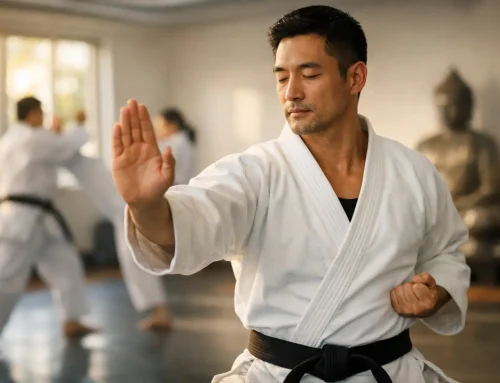
Martial arts training gives families a constructive place to practice skills that are difficult to learn from a conversation alone. Students learn how to stand with confidence, maintain balance, move away from pressure, protect their personal space, and stay composed when their heart rate rises.
The right environment matters. Family-friendly training should be structured, supervised, and focused on respect. Beginners do not need to be athletic, aggressive, or experienced. They need patient instruction, repetition, and a culture where asking questions is welcome.
At OC Training Studio, martial arts instruction is designed to support personal growth alongside practical safety. Shaolin Kempo Karate training can help students develop coordination, discipline, awareness, and confidence while learning in a community that values encouragement over intimidation. The goal is not to turn children into fighters. It is to help them become more capable, grounded people.
Training also helps families understand a key truth: physical self-defense is usually a last resort. The best outcome is often noticing risk early, using words, leaving, and getting support. If physical contact cannot be avoided, practiced movement and body awareness can make it easier to create a chance to escape.
Make a Family Safety Plan You Will Actually Use
A safety plan should fit real life. It does not need to be dramatic or overly detailed. It needs to be memorable enough for everyone to use when they are distracted, rushed, or upset.
Choose a family meeting spot for busy places. Create a code word that only your household knows, especially for situations in which another adult claims they were sent to pick up a child. Decide who children can contact if a parent cannot answer. Make sure teens know how to arrange a ride home without depending on someone who is impaired, angry, or unsafe.
For younger children, role-play what to do if they cannot find their caregiver in a store. Remind them not to leave the building or parking lot to search. Instead, they can approach an employee, stay in a visible place, and say, “I’m lost. Can you help me call my family?”
For teens, include online safety in the plan. Meeting an online contact alone, sharing live location publicly, or sending personal information under pressure can create real risks. The answer is not constant surveillance. It is ongoing communication, sensible limits, and a home environment where a teen can bring up a concern before it grows.
Confidence Changes How Families Move Through the World
Confidence is not believing that nothing bad will happen. It is believing that you can make thoughtful choices, use your voice, and reach for help when you need it.
Children who practice boundaries may be better prepared to handle bullying and peer pressure. Teens who train in a respectful setting can gain self-control as well as physical ability. Adults often rediscover their own strength when they make time for wellness, learn new skills, and join a supportive community.
There is a trade-off to keep in mind. Safety conversations should prepare children, not burden them with adult worries. Keep the message consistent: most people are kind, your instincts matter, and you never have to handle a scary situation alone.
The most meaningful self-defense lesson a family can share is simple: stay connected, pay attention, and trust that your voice has value. Practice those habits with patience, and they can become part of how your family grows stronger together.